
Invar machining services
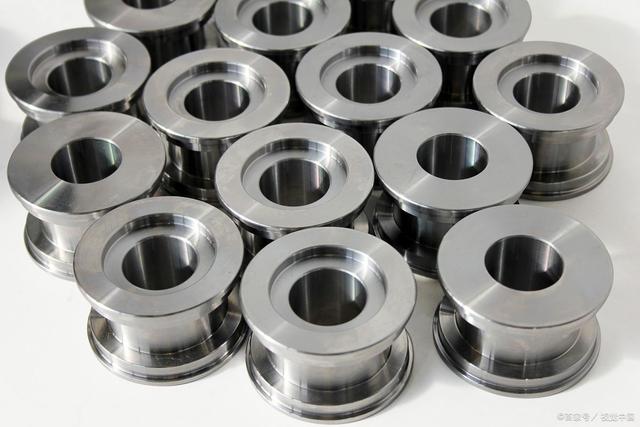
Invar is a special steel containing approximately 36% nickel. It is an alloy with a low coefficient of thermal expansion, making it almost unaffected by temperature changes.
-
15+ years of Invar machining experience
-
Competitive prices
- Fast delivery
What is Invar?
Invar is a special steel containing approximately 36% nickel, with Invar 36 being a common grade. The remainder is primarily iron, containing trace amounts of other elements. Due to its extremely low coefficient of thermal expansion, it is widely used in important fields such as manufacturing measuring components. The core characteristic of Invar is its extremely low coefficient of thermal expansion; within a temperature range of -60°C to +80°C, its coefficient is typically around 1.5 × 10⁻⁶/°C, far lower than the 11-13 × 10⁻⁶/°C of ordinary steel. When the temperature exceeds its Curie point (approximately 230°C), magnetism disappears, the magnetostrictive effect ceases, and the alloy begins to expand normally like ordinary metals.
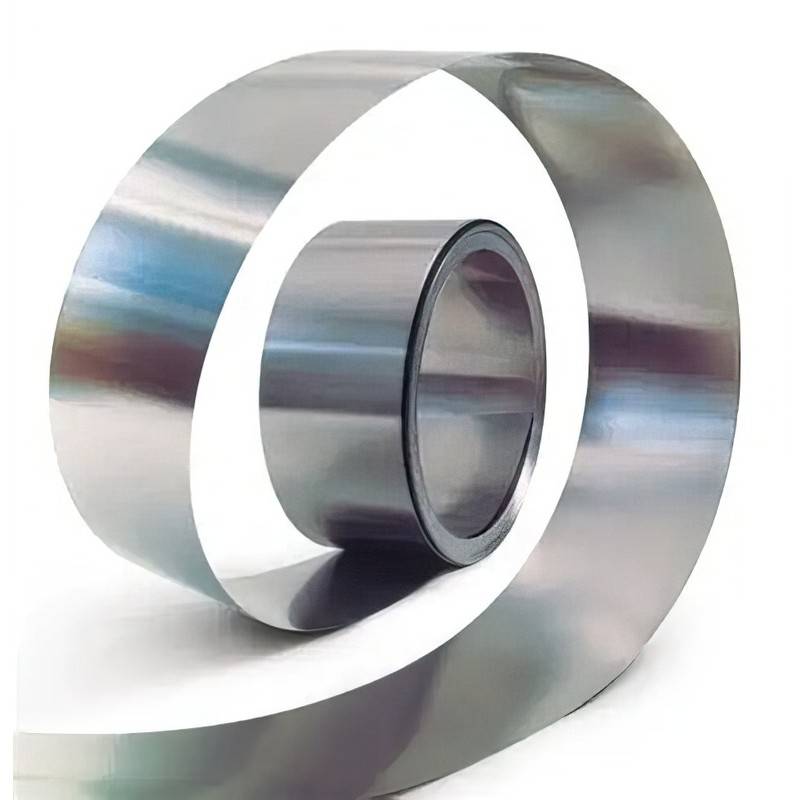
Invar possesses certain strength, hardness, and good plasticity, allowing for both cold and hot working. It is easily formed into various shapes such as wires, strips, rods, and tubes. However, it has a strong tendency for work hardening, and heat treatment may be necessary to restore its plasticity after cold working.
Invar alloy Properties
Invar alloy Physical properties
- Invar alloy density:8.0-8.3 g/cm³
- Invar alloy thermal expansion properties :1.5×10⁻⁶/℃(-60℃~+80℃ )
- Invar alloy Tensile strength :400MPa-700Mpa
- Invar alloyYield strength:250MPa-500Mpa
- Invar alloy hardness:150HB-250HB
- Invar alloy Melting point :1427℃
- Invar is a strongly ferromagnetic material between -60℃ and +80℃, but its magnetism completely disappears above 230℃.
Invar alloy Chemical composition
| chemical composition | percentage(%) | The role of chemical components |
| Fe | 63~65 | Matrix elements ensure the basic mechanical properties of the alloy. |
| Ni | 35~37 | Lowering the coefficient of thermal expansion of the alloy improves its compatibility with glass. |
| Mn | ≤0.5 | Deoxidation and desulfurization optimize the casting and rolling properties of the alloy. |
| Si | ≤0.3 | Deoxidizers enhance the oxidation resistance of alloys. |
| C | ≤0.05 | Controlling the hardness and toughness of the alloy is crucial; excessive amounts can reduce sealing reliability. |
| P | ≤0.02 | Harmful impurities must be strictly controlled to avoid the formation of brittle phases. |
Application industries of Invar alloy
Semiconductor packaging
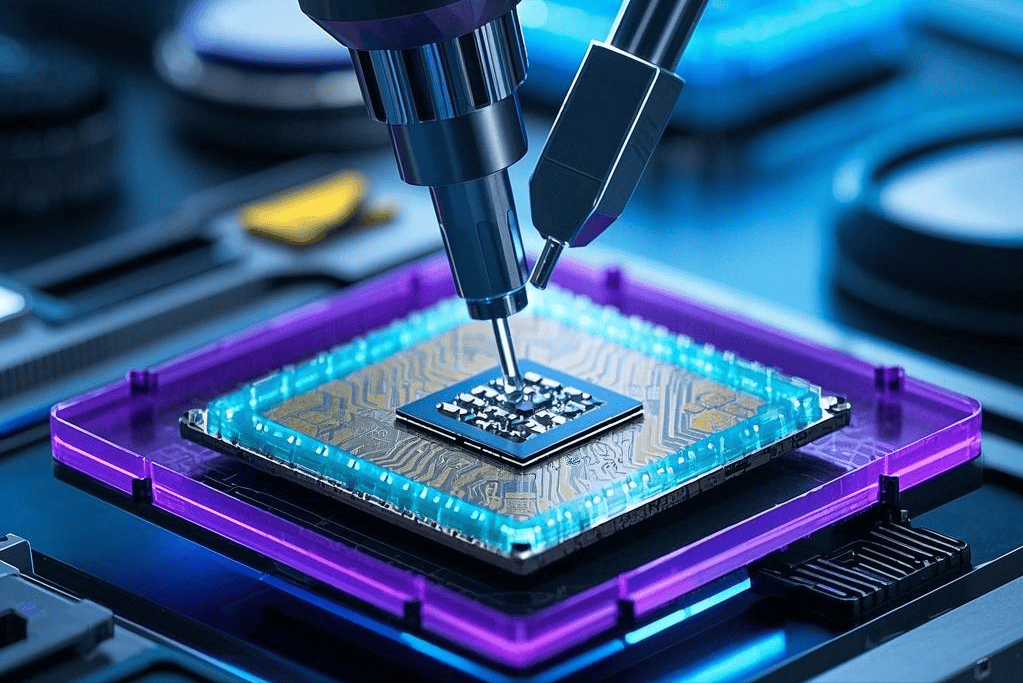
Core components for wafer manufacturing/packaging: Precision stages, carriers, and guide rails for semiconductor lithography machines (lithography machines require nm-level dimensional accuracy, and temperature deformation is a core source of error); fixtures and bases for wafer dicing and bonding equipment; lead frames (Invar42) and packaging bases, matching the expansion characteristics of silicon wafers (Si thermal expansion coefficient ≈ 2.6 × 10⁻⁶/℃) to prevent thermal stress cracking during packaging.
Vacuum equipment components: Cavity supports and flanges for semiconductor vacuum coating and etching machines; temperature fluctuations in a vacuum environment will not cause seal failure or cavity deformation.
Optics and Optoelectronics Industry
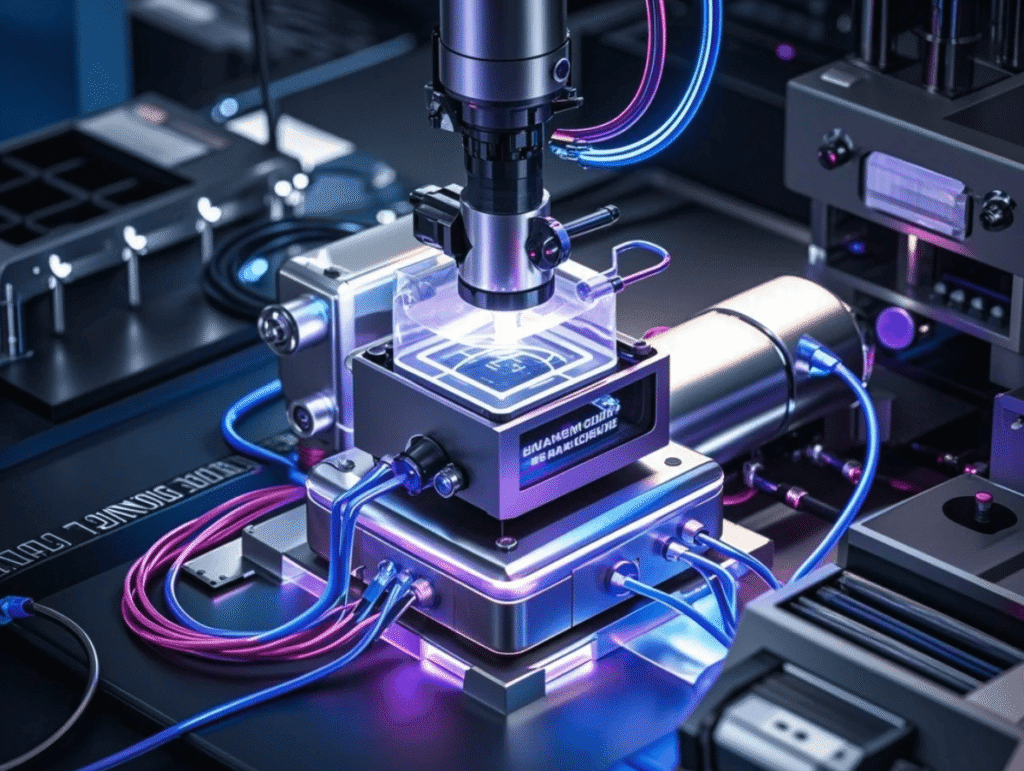
Optical components require extremely high stability in terms of geometry, coaxiality, and parallelism. Temperature deformation directly leads to imaging/transmission errors. Invar is a core substrate material for:
Optical Lens/Lens Assemblies: Lens barrels and lens mounts in high-end cameras, microscopes, and medical endoscopes; optical supports in infrared thermal imagers, ensuring the lens’s optical system does not shift due to temperature.
Optoelectronic Display Components: Precision fixtures and substrate supports in OLED/Mini LED panel manufacturing, maintaining panel flatness during the manufacturing process and improving display yield.

Aerospace
Satellite/Space Station Components: Satellite antenna frame, radio frequency resonant cavity, and onboard optical equipment base, ensuring accurate antenna pointing and optical path transmission even under drastic temperature changes in orbit; positioning joints and reference axes for the space station’s precision robotic arm.
Aerospace Precision Components: Inertial Navigation System (INS) base for civil/military aircraft, and core support structure for aviation instruments, mitigating measurement errors caused by environmental temperature changes during flight.
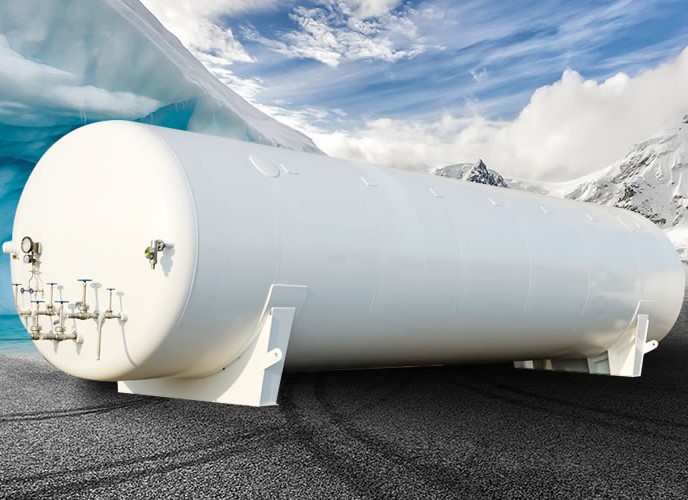
Liquefied Natural Gas (LNG) / Cryogenic Energy Storage and Transportation
Core components for LNG carriers/storage tanks: The inner membrane (0.7~1.2mm thick) of LNG membrane-type storage tanks directly contacts -163℃ liquefied natural gas, solving the problems of cryogenic shrinkage, cracking, and deformation of ordinary steel; it is also used for seals and flanges in LNG pipelines and valves.
Liquid hydrogen/liquid oxygen cryogenic equipment: Linings and pipeline connections for liquid hydrogen (-253℃) and liquid oxygen (-183℃) storage tanks in aerospace rockets; Super Invar 4J32 is the preferred choice due to its lower coefficient of thermal expansion.
Optoelectronics and optical communication
RF/Microwave Devices: RF cavities and filter frames for 5G base stations and phased array radars. Invar’s low expansion ensures that the resonant frequency of the RF signal does not drift with ambient temperature, improving communication stability.
Fiber Optic Communication Components: Fiber Bragg grating packaging substrates ensure that the grating wavelength is not affected by temperature, maintaining the accuracy of fiber optic sensing/communication.

The core applications of Invar alloys are: manufacturing precision gauges, gauge blocks, standard rulers, grating rulers, and reference rods for length measuring instruments;
Core components of precision astronomical/optical equipment: telescope tube supports, optical platform bases, and laser interferometer housings;
high-precision guide rails and positioning fixtures for lithography machines and semiconductor testing equipment.
Kovar machining FAQs
Invar alloys are iron-based alloys composed of iron (Fe) and a significant amount of nickel (Ni), exhibiting a very low coefficient of thermal expansion. Typical nickel content in these alloys is approximately 36%, and their key characteristic is their ability to maintain remarkably stable dimensional changes over a wide temperature range, virtually unaffected by temperature variations. This property makes Invar alloys highly valuable in many precision applications where temperature changes are extremely critical.
Invar alloys are mainly used in the precision instrument and testing industry, aerospace and military industry, electronics, communications and semiconductor industry, and optics and optoelectronics industry.
Before machining, the Invar alloy blank undergoes stress-relief annealing, heated to 600-650℃ and held for 2-4 hours, then slowly cooled in the furnace to below 150℃, with a cooling rate ≤50℃/h. Deformation during machining mainly originates from thermal stress caused by cutting heat, elastic deformation due to excessive clamping force, and plastic deformation due to uneven cutting force from the tool. The core of this step is **"low temperature, light force, and uniform cutting"**, with precise process plans provided for each step. After machining, stress is relieved at low temperature, heated to 300-350℃ and held for 1-2 hours, then cooled in the furnace to room temperature, with a cooling rate ≤40℃/h.
Invar alloys are ferromagnetic at room temperature, but their magnetism weakens with increasing temperature. In particular, the magnetism of Invar alloys may decrease significantly or disappear at a certain critical point. This phenomenon is similar to the loss of magnetism in many ferromagnetic materials above their critical temperature (called the Curie temperature). For Invar alloys, the Curie temperature is typically low, generally around 230°C, meaning that its magnetism begins to weaken near this temperature.
Invar alloys can be welded, but they are classified as difficult-to-weld special alloys. The core challenges in welding are the high tendency for hot cracking, the easy generation of residual stress and thermal deformation after welding, and the easy failure of the low expansion characteristics of the weld zone. Not all welding methods are suitable. Welding processes must be selected specifically and welding parameters must be strictly controlled to ensure that the welding quality matches the low expansion properties of the base material.