
Hastelloy Machining Service
Hastelloy is a nickel-based corrosion-resistant alloy, primarily used in environments with strong corrosion and complex chemical media.
- Perfect material manufacturing process
- Highly competitive material prices
- 15+ years of experience in Corrosion-resistant alloys processing
- Fast delivery

What is Hastelloy?
Hastelloy alloys are nickel-based materials with high levels of chromium (Cr), molybdenum (Mo), tungsten (W), and copper (Cu) added to form a dense passivation film and enhance the corrosion resistance of the base material. They can withstand various corrosive environments, including oxidizing acids, reducing acids, salt solutions, chlorinated media, and high-temperature fumes. They possess good weldability and formability, but some high-molybdenum grades (such as the B series) are difficult to machine and require carbide cutting tools.

Common alloy grades and chemical compositions of Hastelloy
Hastelloy alloys are internationally recognized standards: ASTM B575 (plate/strip), ASTM B622 (seamless tube), and ASTM B366 (forgings). Common alloy grades and chemical compositions are as follows:
| Hastelloy grades | UNS number | Hastelloy chemical composition | Hastelloy density(g/cm³) | Hastelloy melting point(℃) | Room temperature mechanical properties (solid solution state) (tensile strength, yield strength, hardness) |
| Hastelloy C-276 | N10276 | Cr 14.5–16.5;Mo 15.0–17.0;W 3.0–4.5;Fe 4.0–7.0;Co ≤2.5;C ≤0.01 | 8.9 | 1320–1350 | σb ≥690 MPa;σ0.2 ≥283 MPa;δ ≥40%;hardness ≤210 HB |
| Hastelloy C-22 | N06022 | Cr 20.0–22.5;Mo 12.5–14.5;W 2.5–3.5;Fe 2.0–6.0;Co ≤2.5;C ≤0.01 | 8.9 | 1300–1340 | σb ≥690 MPa;σ0.2 ≥283 MPa;δ ≥40%;hardness ≤210 HB |
| Hastelloy C-2000 | N06200 | Cr 23.0–25.0;Mo 15.0–17.0;Cu 1.5–2.5;Fe ≤3.0;Co ≤2.5;C ≤0.01 | 8.95 | 1290–1330 | σb ≥690 MPa;σ0.2 ≥283 MPa;δ ≥40%;hardness ≤210 HB |
| Hastelloy B-2 | N10665 | Cr ≤1.0;Mo 26.0–30.0;Fe 1.0–3.0;Co ≤1.0;C ≤0.01 | 9.2 | 1320–1340 | σb ≥690 MPa;σ0.2 ≥276 MPa;δ ≥40%;hardness ≤210 HB |
| Hastelloy B-3 | N10675 | Cr ≤1.0;Mo 27.0–32.0;Fe ≤3.0;Co ≤1.0;C ≤0.01 | 9.1 | 1310–1330 | σb ≥690 MPa;σ0.2 ≥276 MPa;δ ≥40%;hardness ≤210 HB |
| Hastelloy G-30 | N06030 | Cr 28.0–31.0;Mo 4.0–6.0;W 1.5–4.0;Fe 13.0–17.0;Co ≤5.0;C ≤0.015 | 8.8 | 1260–1300 | σb ≥655 MPa;σ0.2 ≥276 MPa;δ ≥30%;hardness ≤200 HB |
| Hastelloy X | N06002 | Cr 20.5–23.0;Mo 8.0–10.0;W 0.5–2.0;Fe 17.0–20.0;Co 1.0–2.5;C ≤0.10 | 8.2 | 1290–1320 | σb ≥700 MPa;σ0.2 ≥300 MPa;δ ≥30%;hardness ≤220 HB |
How to machine Hastelloy?

Hastelloy cnc machining
CNC machining of Hastelloy includes CNC milling and CNC turning. Because the work hardening rate of Hastelloy is 3–5 times that of ordinary carbon steel, the cutting principle must be followed: “low cutting speed, large feed rate, and sharp tools.”
Tool selection: Roughing: Carbide tools or cubic boron nitride (CBN) tools;
Finishing: Polycrystalline diamond (PCD) tools, to avoid tool wear leading to excessive workpiece surface roughness.
Machining parameters: Feed rate: 0.2–0.5 mm/r. Increasing the feed rate reduces the friction time between the tool and the workpiece, reducing the thickness of the work-hardened layer;
Depth of cut: ≥2 mm. The work-hardened layer must be cut through in one pass to avoid secondary cutting.
During machining, extreme pressure cutting fluid (containing sulfur and phosphorus additives) is used at a flow rate ≥20 L/min to ensure sufficient cooling of the cutting zone and prevent excessive workpiece temperature rise leading to performance degradation.

Hastelloy casting
Hastelloy casting, due to its high content of elements such as chromium, molybdenum, and tungsten, results in castings with poor fluidity, making them prone to segregation and hot cracking. Therefore, specialized casting processes are required: Investment Casting (Lost Wax Casting)
This is the most commonly used casting process for Hastelloy, suitable for producing castings with complex shapes and high precision requirements (e.g., pump bodies, valves, impellers, and internal parts of chemical reactors).
Key Process Points: A ceramic mold shell (resistant to high temperatures and molten metal corrosion) is used. The mold shell must be fired at high temperatures (≥1000℃) to remove residual moisture and organic matter.
A vacuum induction furnace is used for melting to avoid oxidation and loss of alloying elements. To improve fluidity, the pouring temperature needs to be 50–80℃ higher than the alloy’s melting point (e.g., the pouring temperature for C-276 alloy is approximately 1400–1430℃).
The casting must be cooled slowly along with the mold shell to reduce internal stress and the risk of hot cracking.
Hastelloy forging
Heating Specifications
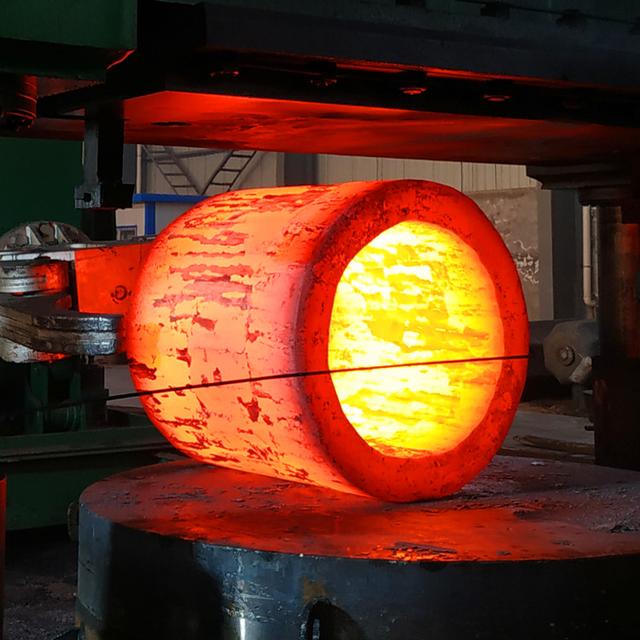
Preheating temperature: 600–800℃, holding time controlled at 2–3 min/mm based on workpiece thickness, avoiding direct high-temperature heating that could lead to surface oxidation.
Initial forging temperature: 1100–1180℃ (slightly different for different grades, e.g., 1150℃ for C-276, 1180℃ for B-3).
Final forging temperature: ≥900℃. Low-temperature forging is strictly prohibited to prevent grain breakage or cracking; rapid air cooling is required after final forging to prevent brittle phase precipitation.
Deformation Control
Single deformation amount: 15%–25%, avoiding large deformation amounts that could lead to localized overheating; reheating is required for multi-pass forging to ensure that the temperature of each pass remains within the process range.
Applicable Standard: ASTM B564 (General Standard for Nickel Alloy Forgings)
Hastelloy stamping
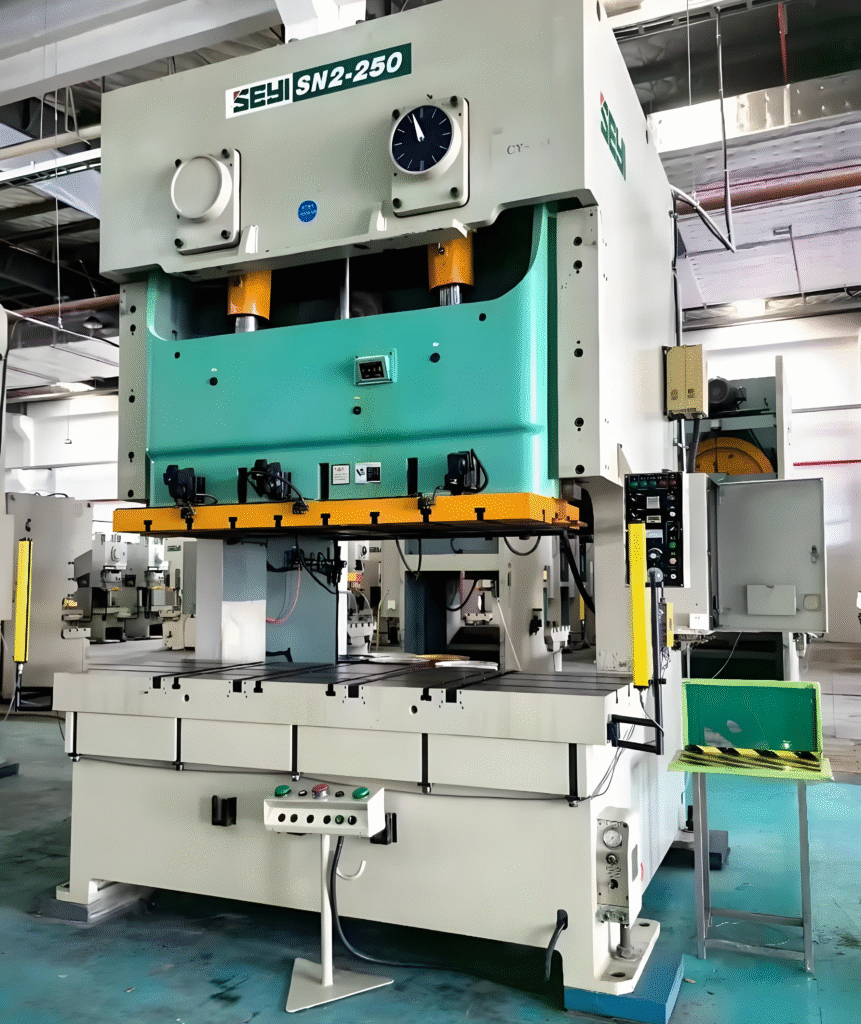
Hastelloy alloys can be stamped, but due to their strong work hardening tendency, poor thermal conductivity, and narrow plastic range, the stamping process requires specific adjustments:
1. Before stamping, the blank must undergo solution heat treatment followed by rapid water cooling to eliminate pre-work hardening, dissolve brittle phases, and restore the material’s plasticity.
2. Die material: Preferably use cemented carbide (YG15/YG20) or high-speed steel (W18Cr4V). The surface must be polished to Ra≤0.2μm to improve wear resistance and demolding properties.
3. The maximum deformation of Hastelloy alloys is much lower than that of carbon steel. Shallow drawing deformation should be ≤10% per stroke. Deep drawing requires multiple strokes, and each stroke must be followed by a new solution heat treatment to eliminate work hardening.
Stellite Welding
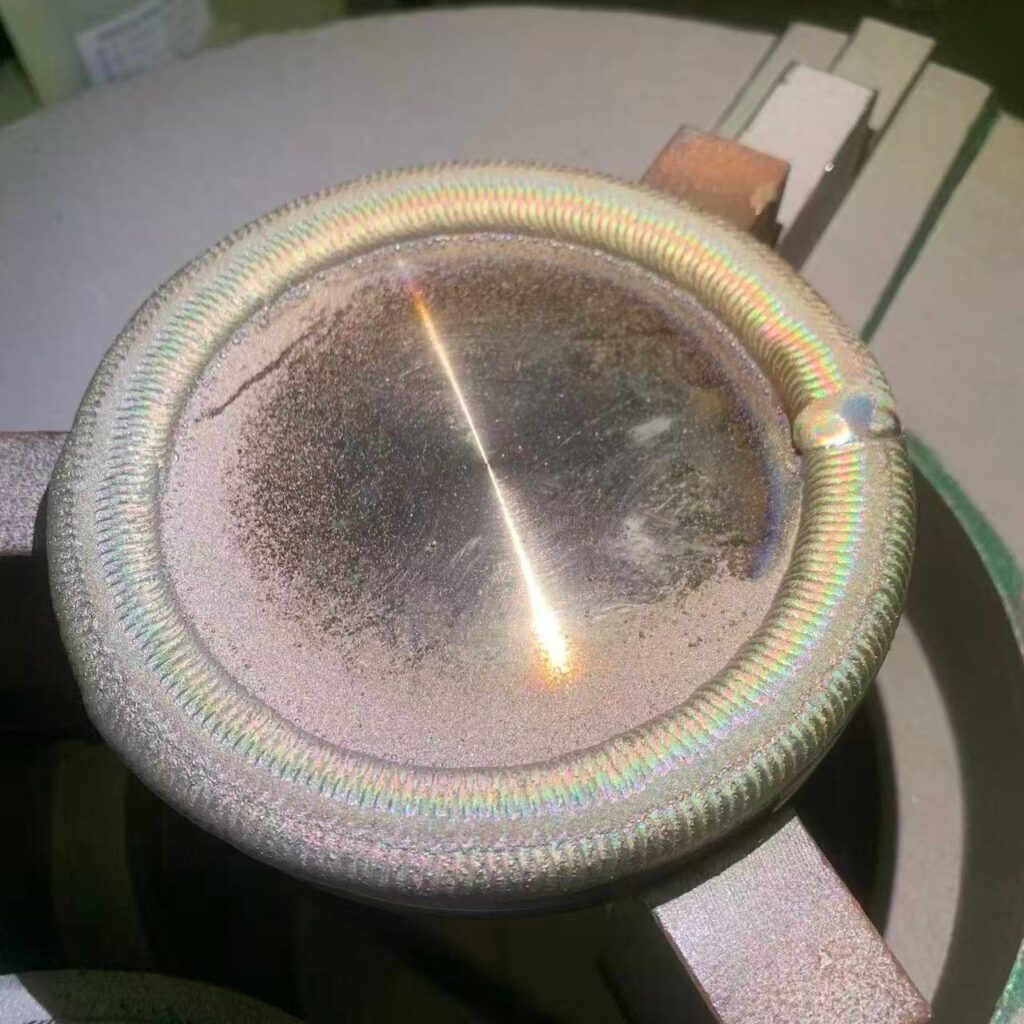
Stellite welding refers to the process of bonding Stellite 6, Stellite 12, Stellite 21, and other grade materials onto an Inconel 625 substrate using Plasma Transferred Arc or laser cladding. It is primarily used in the oil and gas industry for valves, valve seats, and valve disc sealing surfaces, as well as in the drilling industry for wear-resistant layers on drill bits. This significantly reduces manufacturing costs for these precious metal materials.
Manufacturing process of Hastelloy material
Precionn is a comprehensive superalloy materials manufacturing company that integrates the research and development, smelting, forging, heat treatment, cold forming, and finished product processing of Hastelloy materials.

smelting
Our company possesses a 50T smelting electric furnace, an LF refining furnace, a VOD furnace, and a VD furnace.
forging
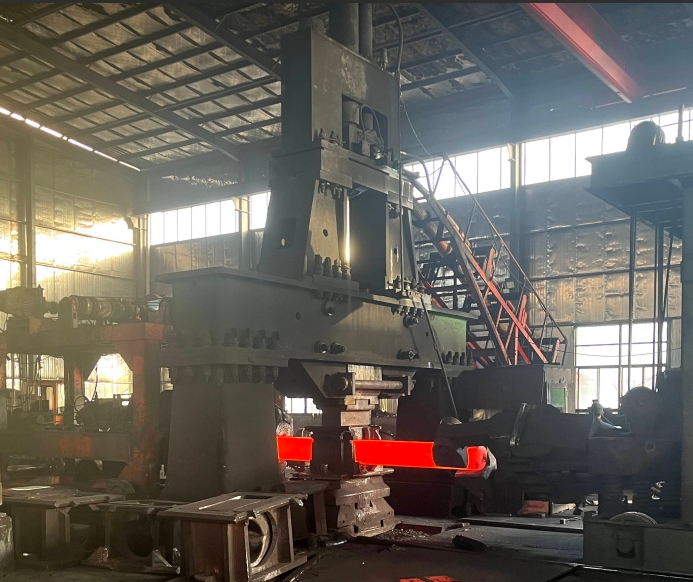
Our company has a 5000T forging machine, which can form Inconel 625 bars and plates of various diameters.
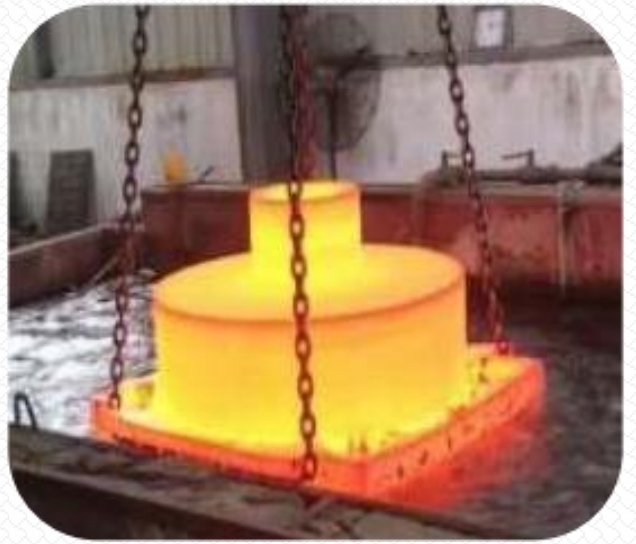
Heat treatment
The core objectives of Hastelloy heat treatment are to relieve stress, dissolve brittle phases, and restore corrosion resistance. Solution treatment temperatures are mainly between 1100 and 1150°C, and rapid water cooling is used.
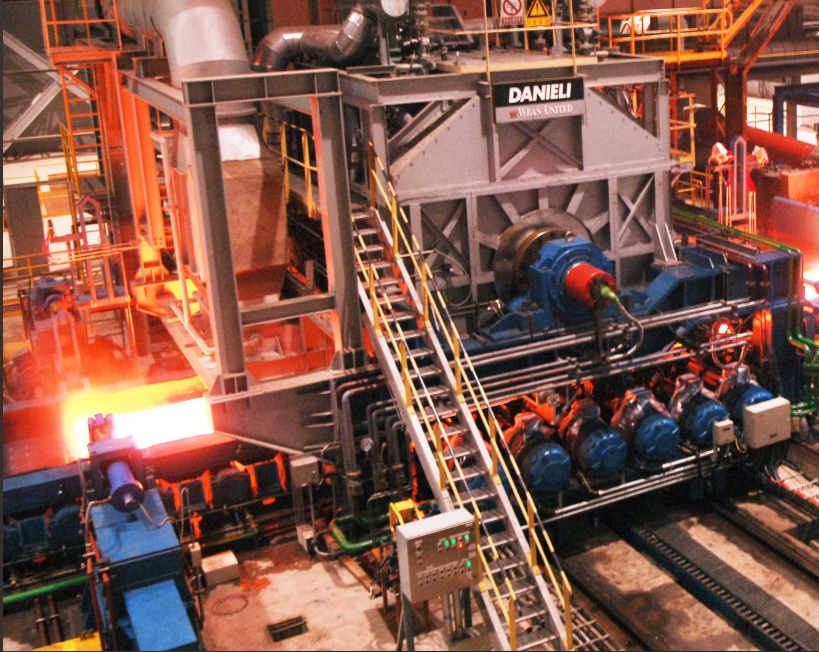
Hot rolling
Hastelloy can be hot-rolled into plates, bars, profiles, or tubes of various specifications.

Flaw detection
Hastelloy alloys are widely used in critical industries such as petrochemicals. After the material is manufactured, in addition to routine composition analysis using a spectrometer, we also conduct internal defect detection to ensure that the product is crack-free and meets production safety requirements.
Why choose Precionn for Hastelloy parts?
Excellent manufacturing capabilities
A complete manufacturing process, from raw material production, CNC machining, to finished product inspection and shipment, can be completed with high quality.
preferential material costs
Precionn possesses complete material manufacturing capabilities, capable of independently completing processes from smelting, forging, heat treatment, hot rolling, and finished product inspection..
High-quality quality management
- System Certificate:ISO 9001,IS013485,AS9100D,IATF16949
- All materials must undergo spectrometer testing and physical property testing to ensure they meet the requirements for chemical composition and physical properties.
- All forged parts and welded materials undergo flaw detection to ensure that there are no internal cracks in the materials and products.
Customized solutions
- We have excellent stamping manufacturing capabilities and can customize Hastelloy thin parts.
- We have excellent CNC machining capabilities and can customize Hastelloy valves and flanges.
- We have extensive experience in supermaterial welding and can customize welding of Hastelloy valve ports and cladding welding to meet specific requirements.
Application industries of Hastelloy

Chemical industry
Hastelloy alloys are widely used in the chemical industry, particularly in the manufacture of reactors, pipes, valves, and other equipment, where they can withstand highly corrosive chemicals such as chlorides, sulfuric acid, and ammonia.
For example, they are used in the manufacture of corrosion-resistant reactors and equipment to prevent damage from chemical corrosion.

Oil & Gas
Due to its high-temperature resistance and corrosion resistance, Hastelloy alloys are commonly used in equipment for oil and gas extraction, processing, and transportation.
For example, they are used in corrosion-resistant pipelines, pumps, and valves in deep-sea drilling and oil refineries.
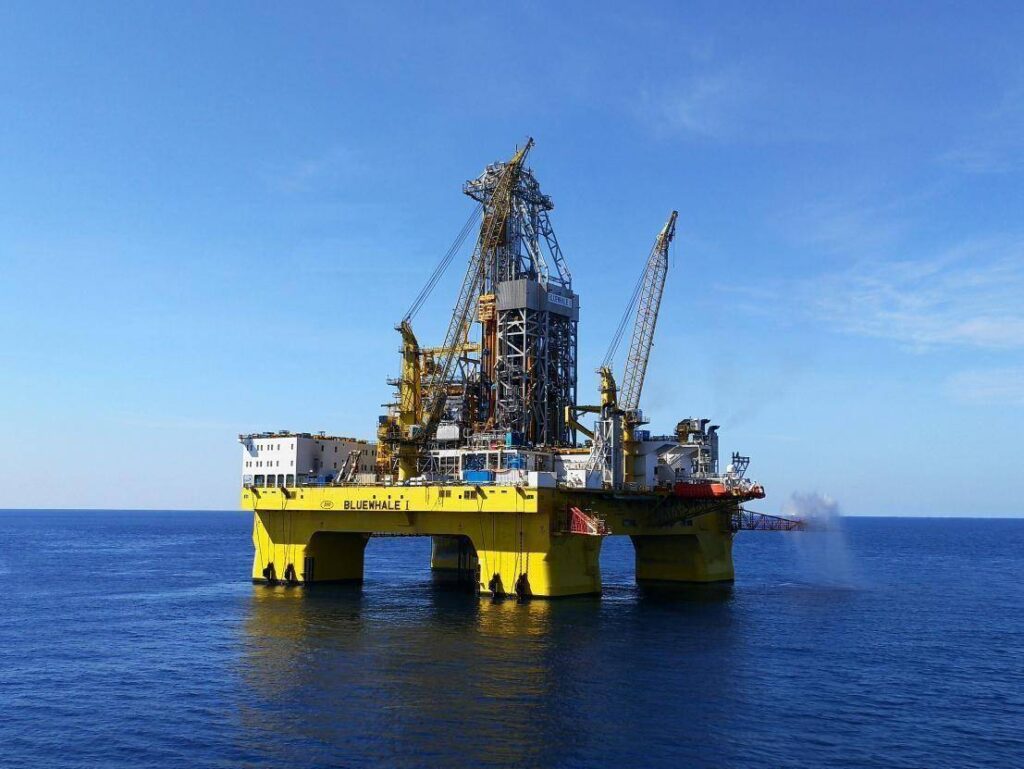
Marine Engineering
In marine environments, Hastelloy alloys resist seawater corrosion and are commonly used in the manufacture of offshore platforms, subsea pipelines, and other marine equipment.
For example, structural components of offshore drilling platforms and corrosion-resistant parts for ships.

food manufacturing industry
Hastelloy alloys are suitable for use in food processing, pharmaceutical production, and the manufacture of medical equipment due to their high hygiene and corrosion resistance.
Examples include: food processing equipment, pharmaceutical containers, pipes, and containers.

Aerospace
Hastelloy’s high-temperature properties make it an ideal material for the aerospace industry, especially in high-temperature and corrosive atmospheres. It is used to manufacture engine components, heat exchangers, and other high-temperature structures.
Examples include: rocket engines, jet engines, etc.

nuclear energy industry
Hastelloy alloys can withstand high temperatures, high pressures, and radiation environments, making them crucial in the nuclear energy industry, particularly in critical components such as reactor cooling systems and fuel rod cladding.
Examples include heat exchangers and cooling pipes in nuclear power plants.
Hastelloy FAQS
For Hastelloy alloys, we can provide material and mechanical property reports for different processes, meeting internationally recognized standards for nickel-based alloys such as ASTM B575 (plate/strip), ASTM B622 (seamless tube), and ASTM B366 (forgings).
Commonly used Hastelloy alloy grades include: Hastelloy C-276, Hastelloy C-22, Hastelloy C-2000, Hastelloy B-2, Hastelloy B-3, Hastelloy G-30, and Hastelloy X.
Since Hastelloy's work hardening is 3-5 times that of ordinary steel, appropriate cutting tools must be selected for machining. Roughing: Carbide tools (K class, such as YG8) or cubic boron nitride (CBN) tools; Finishing: Polycrystalline diamond (PCD) tools. Avoid tool wear that could lead to excessive surface roughness of the workpiece.
If the materials do not require customization, the fastest prototype production time is generally three days. If the materials require special customization, the prototype production time is generally 10 days.