
HDPE Machining Services
Chinese manufacturer of high-quality customized HDPE parts
- 20 years of experience in HDPE parts manufacturing
- Proficient in various HDPE processing methods, including CNC machining and injection molding.
- HDPE rapid prototyping, three-day delivery time.
- High-quality environmentally friendly high-density polyethylene (HDPE) material
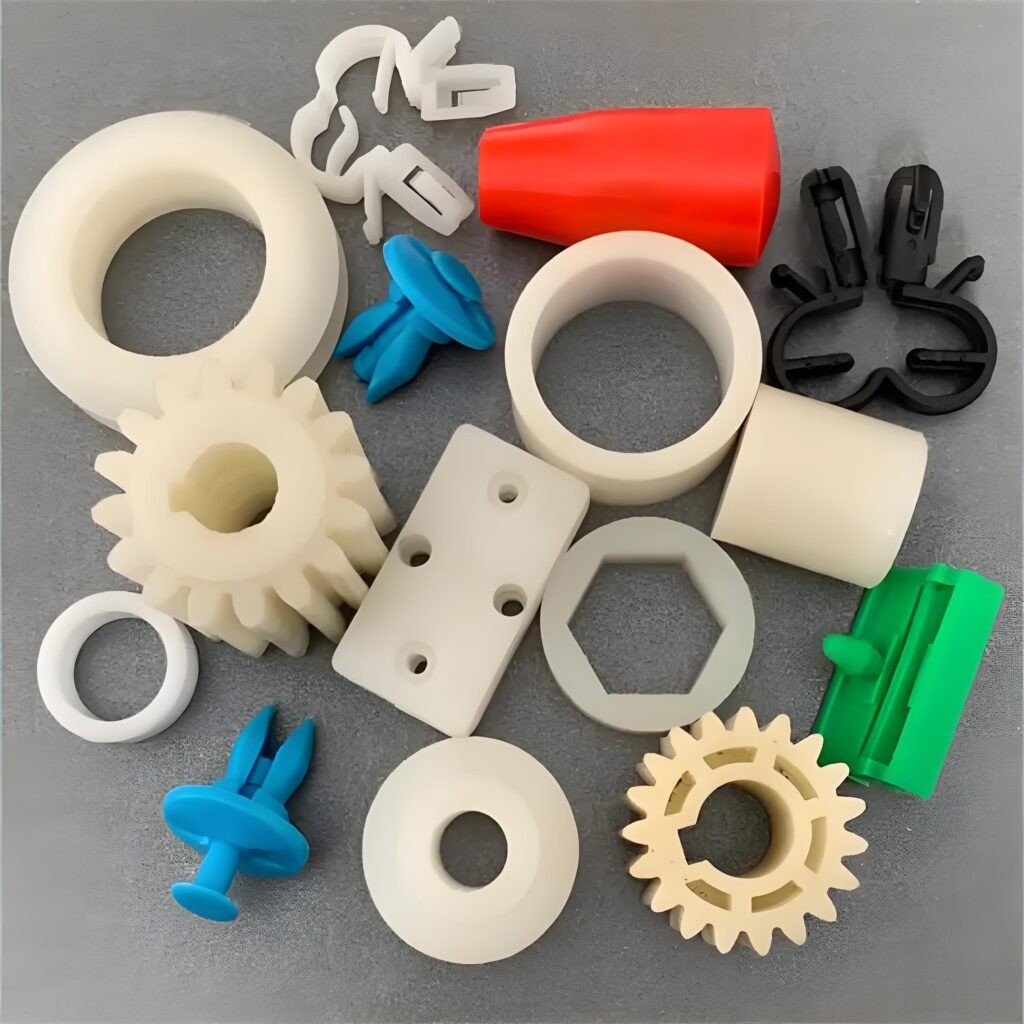
What is HDPE material?
HDPE (High Density Polyethylene) is a polyethylene product with high density and a linear structure, formed by the polymerization of ethylene under specific temperature and pressure conditions in the presence of catalysts such as titanium and chromium. Because its synthesis environment is typically low temperature and low pressure, HDPE can also be called low-pressure polyethylene.
High-density polyethylene (HDPE) resin is a white powder or granular product. This material has good heat and cold resistance, good chemical stability, high rigidity and toughness, good mechanical strength, and also good barrier properties, dielectric properties, and resistance to environmental stress cracking. It is generally used for processing in sheets and rods, while granules are used for injection molding.
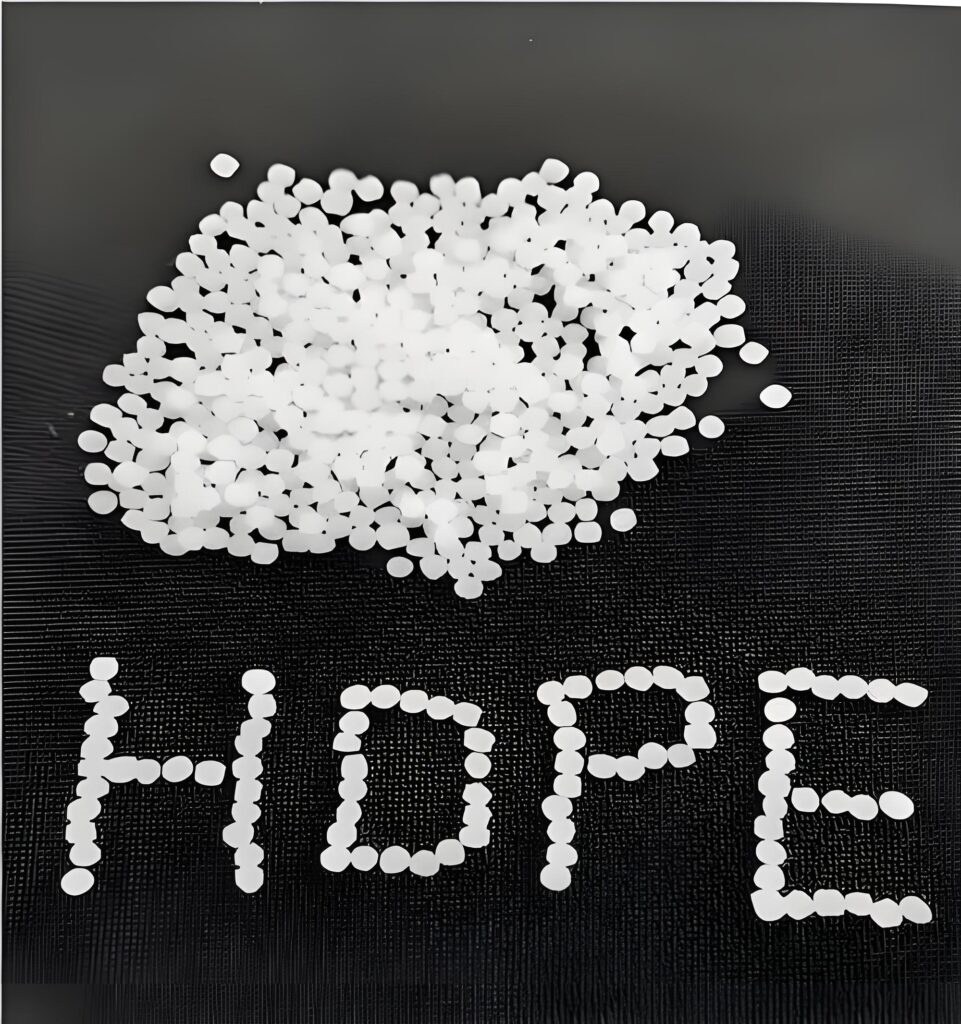
HDPE manufacturing technology
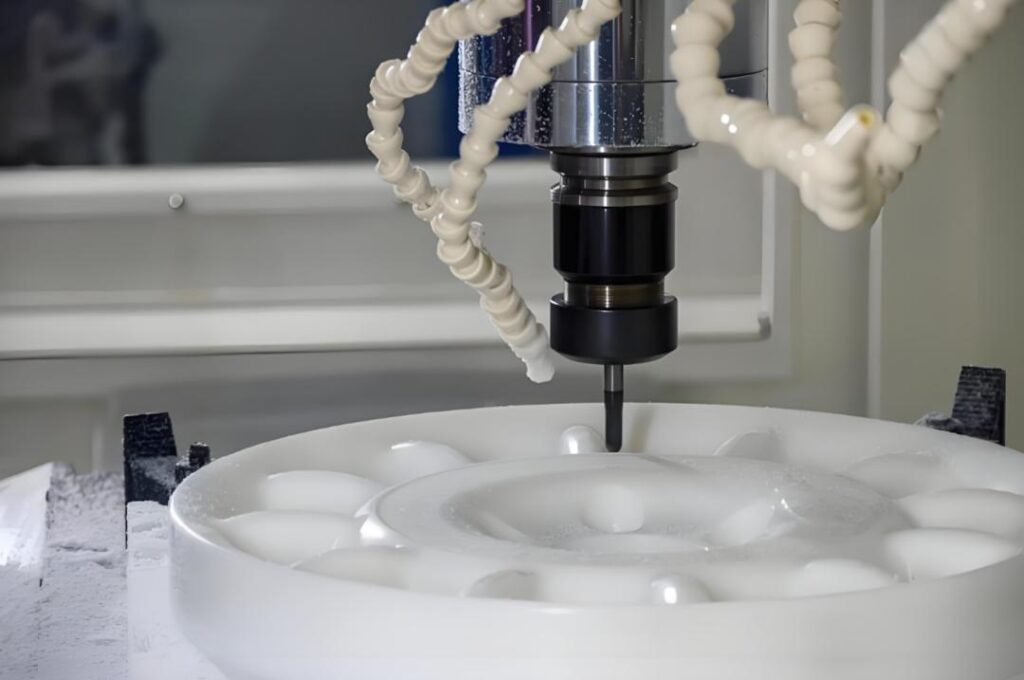
HDPE CNC machining
HDPE is soft, does not stick during processing, produces low processing noise, and is resistant to water, oil, and corrosion, making it an ideal material for CNC machining.
Suitable for prototyping of R&D products
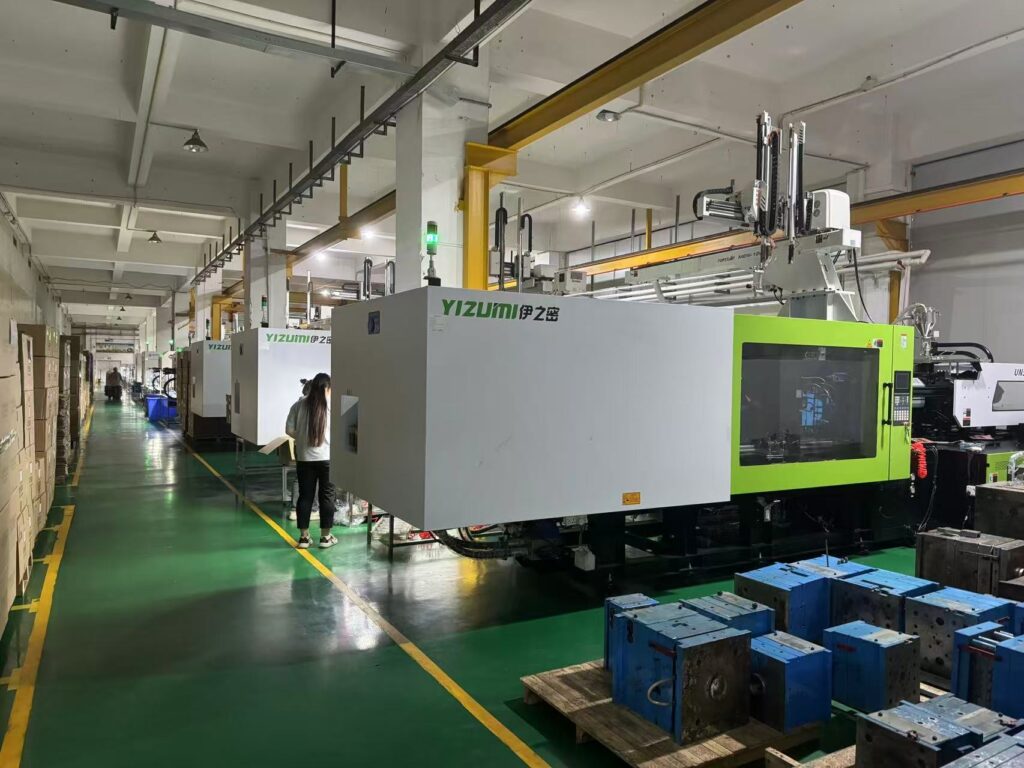
HDPE Injection Molding
HDPE is a crystalline plastic with high shrinkage, good flowability, easy mold filling, low melting point, and is not prone to scorching. It does not absorb water and does not require drying, making it an ideal plastic material for injection molding.
Products suitable for mass production of HDPE materials
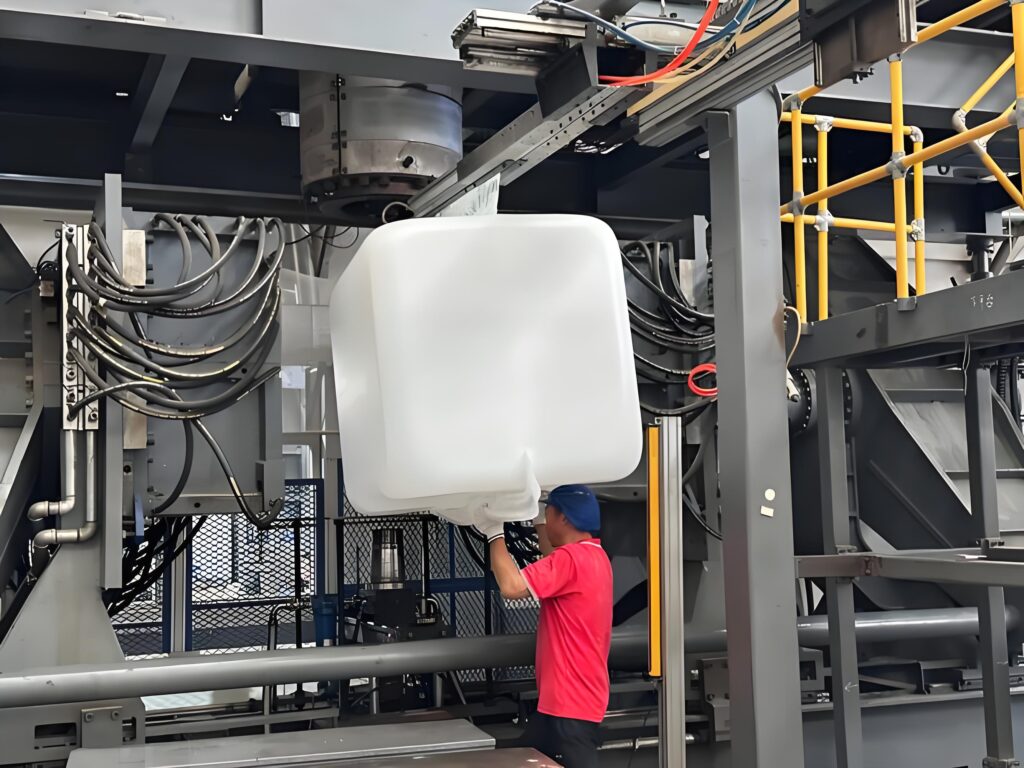
HDPE blow molding
HDPE has good melt strength, making it ideal for blow molding. It has moderate melt flow and minimal preform sag. It is non-absorbent and requires no drying.
Suitable for various bottles, oil drums, chemical drums, hollow containers, toys, floats, large water tanks, etc.
Excellent properties of HDPE materials
Good mechanical properties
- It has high strength and good rigidity, and is much harder than LDPE.
- It has extremely high impact resistance and is not easily brittle even at low temperatures.
- Wear-resistant and fatigue-resistant, suitable for structural components and sliders.
Good chemical stability
- Resistant to acids, alkalis, salts, and most organic solvents
- It is not corroded by the environment and is one of the preferred plastics for chemical and corrosion protection applications.
- It does not rust, does not mold, and does not hydrolyze.
Environmental protection and safety
- Non-toxic, tasteless, odorless
- Meets food contact and drinking water standards
- Widely used in food packaging, baby bottles, water buckets, and water supply pipes.
Good processing properties
- It has good fluidity, is easy to injection mold, easy to blow mold, easy to extrude, and easy to CNC machining.
- It does not absorb water and does not require drying.
- With a moderate melting point, it is not easy to burn and has a high yield rate.
Good low temperature resistance
- It maintains good toughness at low temperatures
- It can maintain its product performance even at -40 degrees Celsius.
Environmentally friendly and recyclable
- Recyclable
- Combustion produces no toxic fumes and is environmentally friendly.
Applications of HDPE
Packaging industry
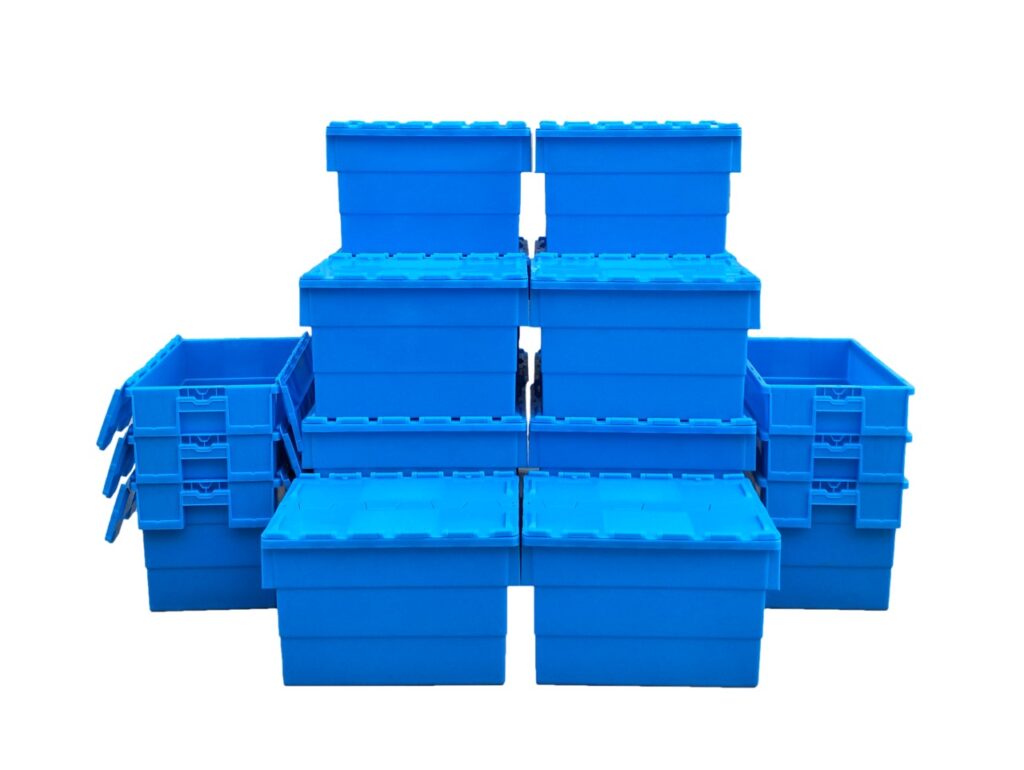
- Various types of films: shopping bags, garbage bags, heavy-duty packaging films, food packaging films
- Hollow containers: food bottles, chemical bottles, oil drums, chemical drums, water tanks
- Bottle caps, sealing gaskets, turnover boxes, logistics boxes
Pipe and Pipe Industry
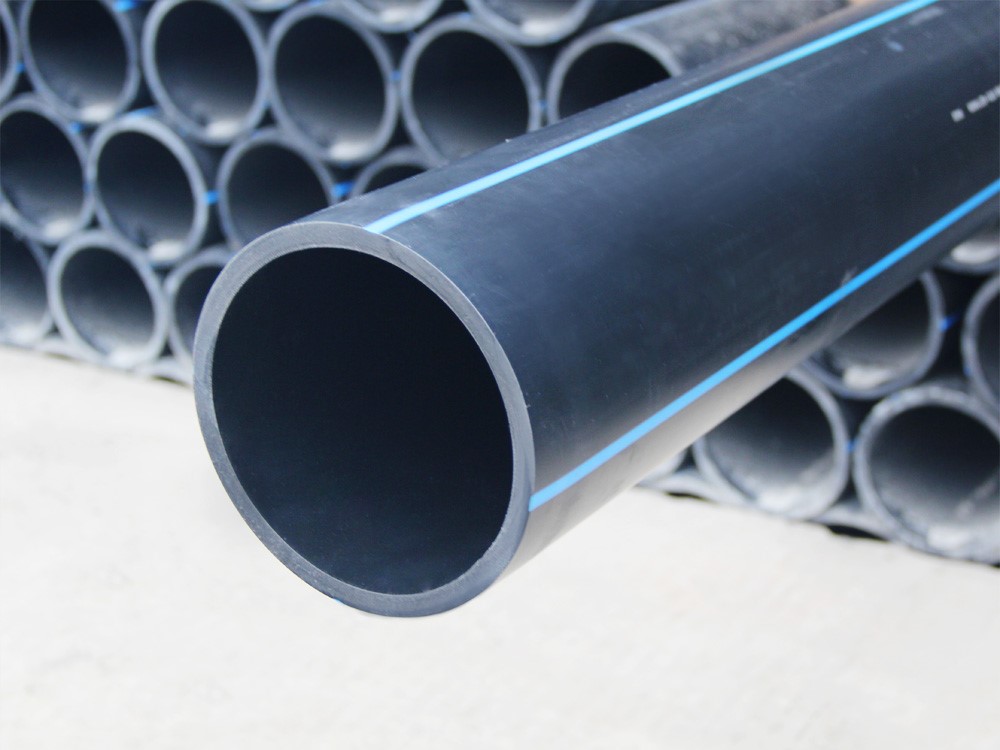
- Water supply pipes, drainage pipes, sewage pipes
- Gas pipe (dedicated HDPE)
- Irrigation pipes for mines and farmland, water supply pipes
Injection Molding & Industrial Products

- Appliance casing, base, accessories
- CarMechanical wear-resistant parts, sliders, pads, gears, bearings
- Irrigation pipes for mines and farmland, water supply pipes
Building Materials & Geotechnical Industry
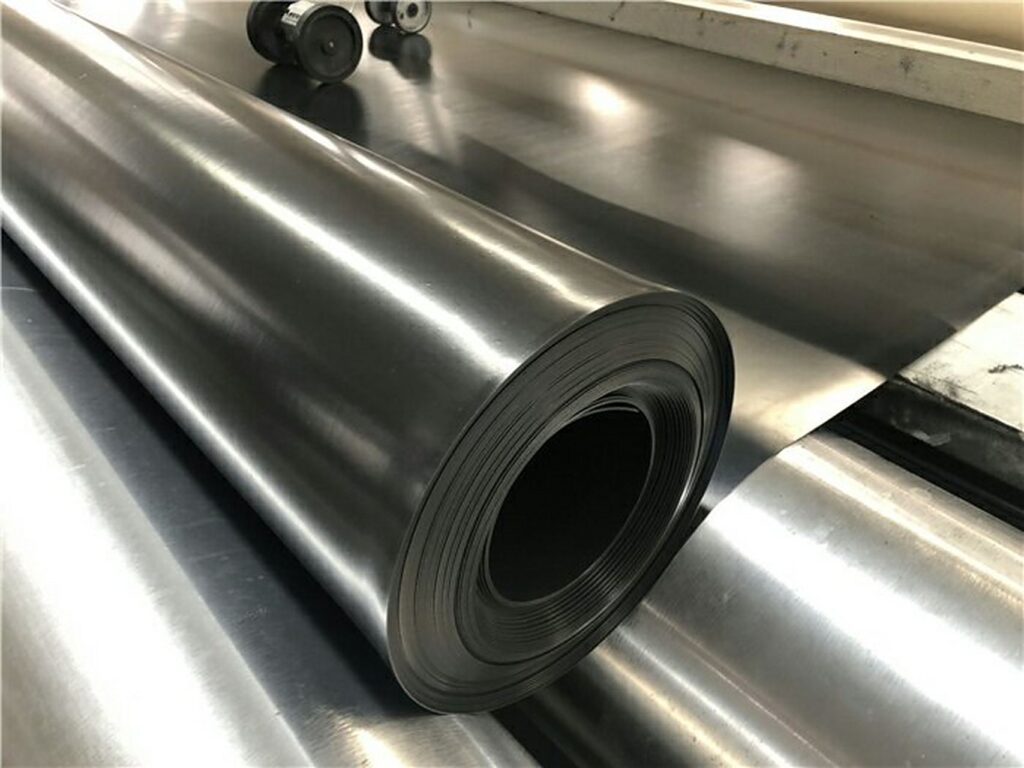
- Geomembrane, impermeable membrane
- Flooring materials, insulation boards, anti-slip mats
- Guardrails, soundproof panels, cable conduits
Medical & Food Industry
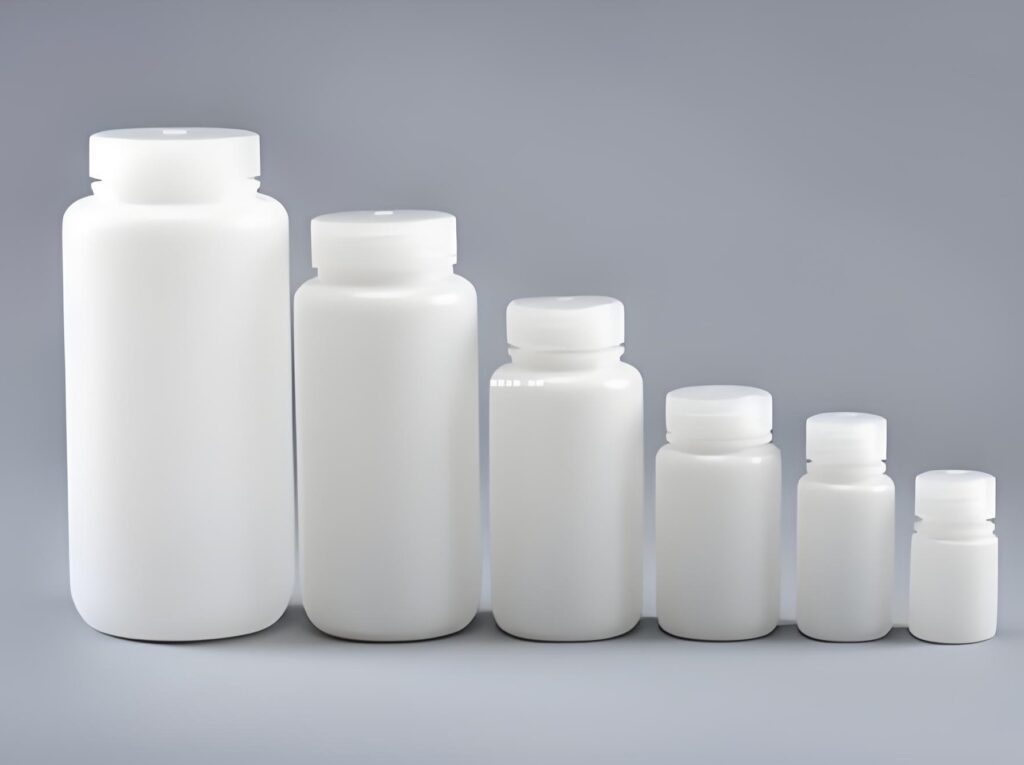
- Food-grade containers, food storage boxes
- Medical device casings, disposable accessories
- Food delivery pipelines, aseptic packaging
Chemical & Corrosion Protection Industry
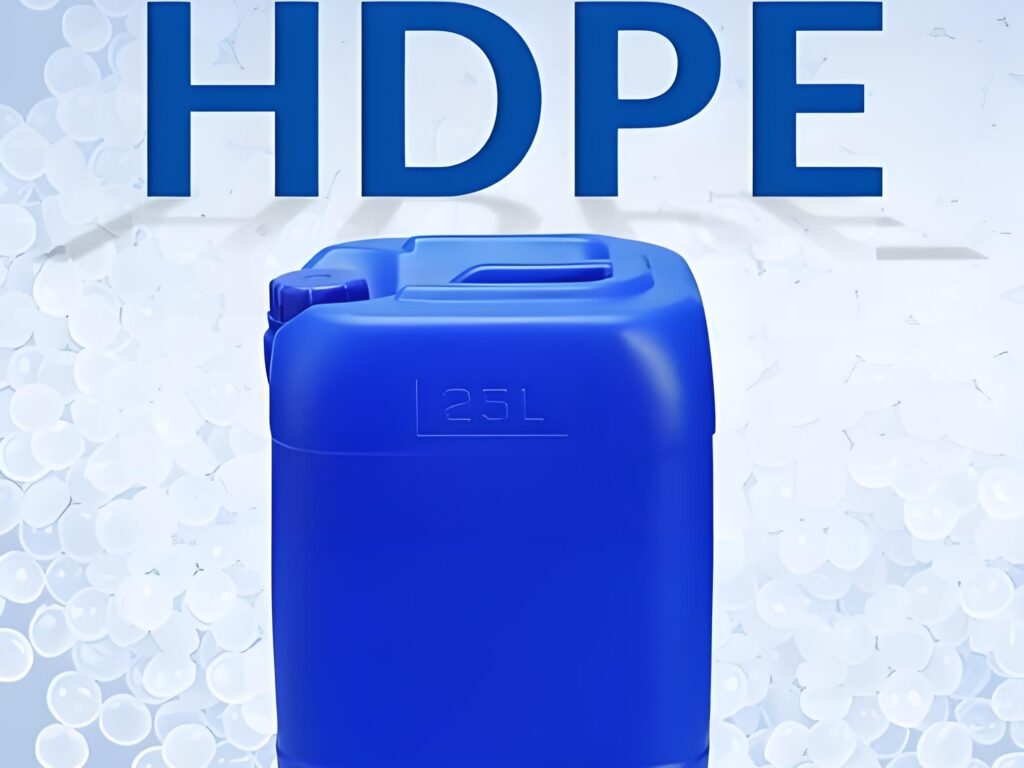
- Chemical storage tanks and corrosion-resistant equipment linings
- Corrosion-resistant pipes, valves, and flanges
- Electroplating tanks, pickling tanks, wastewater treatment components
Why Choose Precionn for HDPE Machining?
20 years of professional HDPE manufacturing experience
Precionn has over 20 years of experience in HDPE manufacturing and is proficient in various processing techniques.
ISO Quality Standards
Precionn has comprehensive quality system certifications, including ISO9001 and ISO14001.
Precision manufacturing equipment
Precionn possesses precision machining centers and Yizumi injection molding machines, fully capable of meeting the needs of HDPE prototyping and mass production.
Competitive price
Precionn has experienced technical engineers who can optimize processing techniques, giving it a cost advantage of over 20% compared to other factories.
Technical support
Precionn has over 20 professional technical personnel who can participate in product prototyping from the design stage, providing clients with advice during the design and development phase, saving them development time and costs.
rapid manufacturing
Precionn has a professional prototyping factory that can produce samples based on customer designs in about 3 days, greatly saving customers’ new product development time.
HDPE Machining FAQs
The density of HDPE material is 0.940–0.965 g/cm³ (lighter than water, it floats on water).
HDPE material customers can customize colors according to Pantone color charts based on their requirements; the most basic color is off-white.
HDPE (High-Density Polyethylene) has a higher density and crystallinity than LDPE (Low-Density Polyethylene), resulting in greater strength, rigidity, and chemical resistance. HDPE is ideal for structural components and chemical containers, while LDPE is more flexible and used for films and flexible packaging.