Is Tungsten Magnetic?
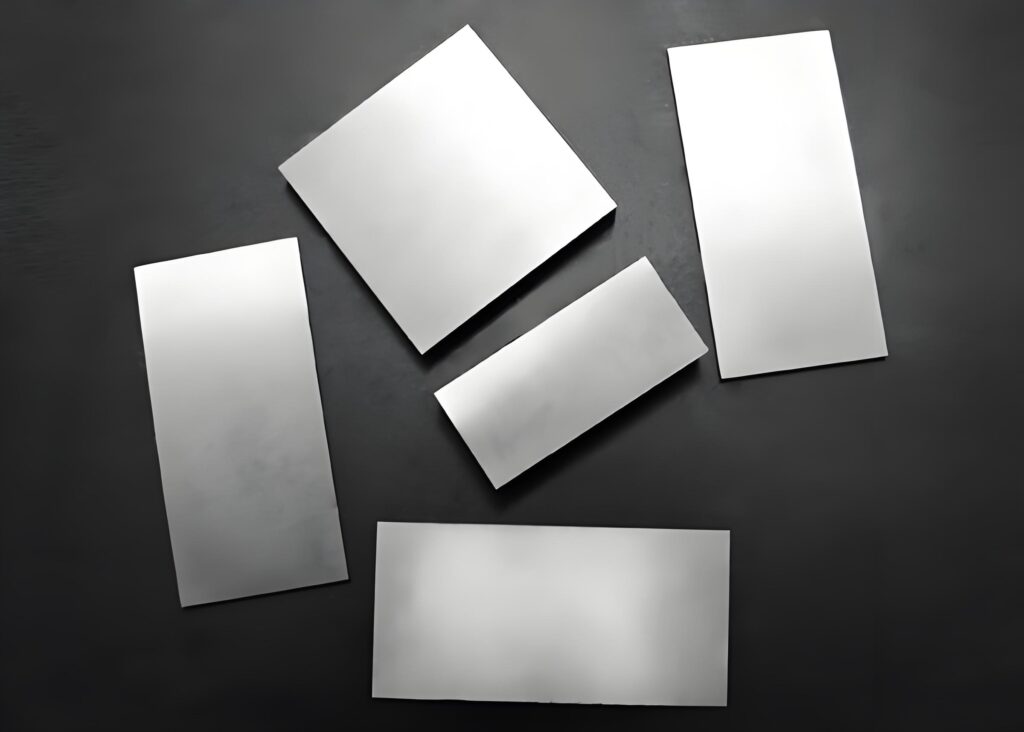
Pure tungsten is not magnetic in the traditional sense. It is classified as a paramagnetic material, meaning it exhibits a weak attraction to magnetic fields but does not retain magnetism once the field is removed. Unlike ferromagnetic materials such as iron, nickel, or cobalt, which are strongly magnetic and can act as permanent magnets, tungsten’s magnetic response is minimal. This makes it a preferred choice in applications where magnetic interference must be avoided, such as in medical imaging or high-precision machining.
The paramagnetic behavior of tungsten is due to its atomic structure, which includes unpaired electrons that create a slight magnetic moment. However, this moment is so weak that tungsten is effectively non-magnetic for most practical purposes. Industries that require non-magnetic materials, like electronics or aerospace, often rely on tungsten for its stability and durability.
Are Tungsten Alloys Magnetic?
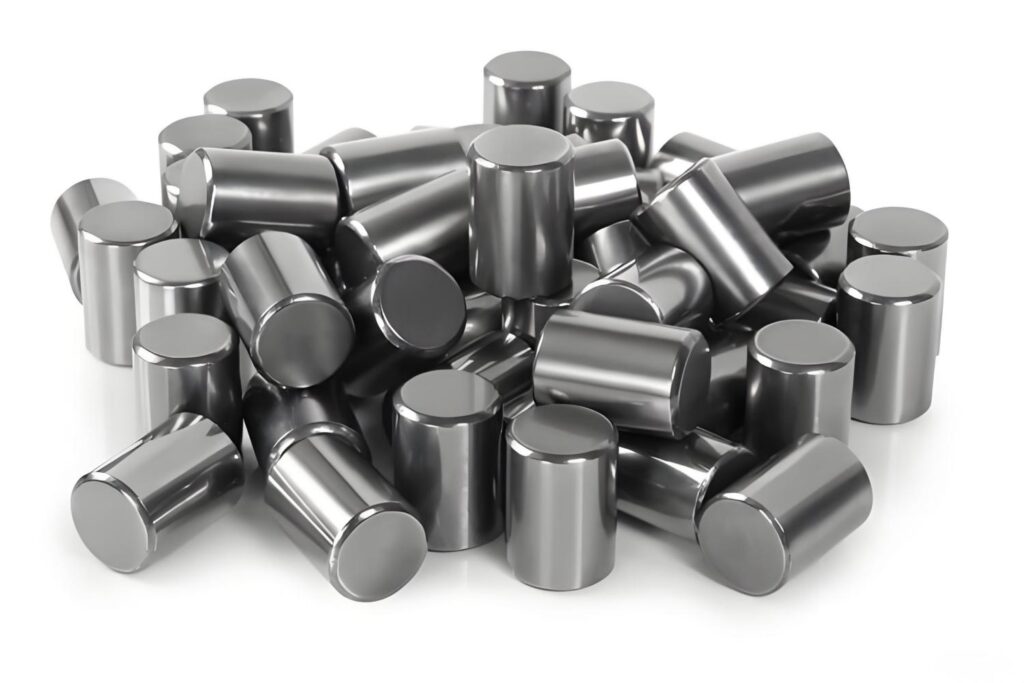
While pure tungsten is non-magnetic, tungsten alloys can vary in their magnetic behavior depending on the alloying elements. Common tungsten alloys include combinations with nickel, iron, copper, or cobalt, each affecting magnetism differently:
- Tungsten-Nickel-Iron Alloys: These alloys, used in aerospace and defense, may exhibit weak ferromagnetic properties due to iron or nickel content. Magnetism depends on the proportion of these elements.
- Tungsten-Copper Alloys: Popular in electrical applications, these alloys remain non-magnetic, as copper is also paramagnetic, complementing tungsten’s properties.
- Tungsten-Carbide Alloys: As explored later, tungsten carbide’s magnetic properties depend on its binder material.
When selecting a tungsten alloy, it’s essential to consider the intended application and whether magnetism is a concern. For non-magnetic needs, alloys with copper or minimal ferromagnetic elements are recommended. Learn more about choosing the right alloy for your project.
Magnetic Properties of Tungsten
To understand tungsten’s magnetic behavior, it is important to explore the underlying science.
- Atomic Structure and Electron Configuration
Magnetism arises from the spin and orbital movement of electrons in an atom. Tungsten (atomic number 74) has a complex electron configuration: [Xe] 4f14 5d4 6s2. The partially filled 5d orbitals contribute to its paramagnetic behavior. Unlike ferromagnetic elements, tungsten’s electron arrangement does not allow for the strong, cooperative alignment needed for permanent magnetism.
- Paramagnetism in Tungsten
Paramagnetism occurs when unpaired electrons align temporarily with an external magnetic field. For tungsten, this effect is very weak, detectable only with sensitive instruments. In normal applications, it behaves as a non-magnetic material.
- Temperature Influence
Like many metals, tungsten’s magnetic susceptibility changes with temperature. At very high temperatures, thermal motion reduces even the weak paramagnetic response, making it practically undetectable.
- Effect of Impurities
When tungsten is alloyed with ferromagnetic metals like iron or cobalt, the resulting material can exhibit stronger magnetic properties. This is why not all tungsten-containing materials behave the same way around magnets.
Why Isn’t Tungsten Magnetic?
The lack of strong magnetism in tungsten can be explained by several scientific factors:
Electron Pairing – Most of tungsten’s electrons are paired, leaving very few unpaired electrons available to contribute to magnetic behavior.
- Atomic Structure – The complex d-orbital structure prevents the cooperative alignment seen in ferromagnetic elements.
- Crystal Structure – Tungsten crystallizes in a body-centered cubic (BCC) structure, which does not favor strong magnetic ordering.
- Absence of Magnetic Domains – Unlike ferromagnetic metals, tungsten lacks permanent magnetic domains, meaning it cannot retain magnetism once the external field is removed.
In essence, tungsten is inherently paramagnetic due to its electron arrangement and crystal structure, making it weakly magnetic at best.
Applications of Non-Magnetic Tungsten in Industry
Tungsten’s non-magnetic properties, combined with its strength and durability, make it a go-to material for various industries. Below are some key applications where its non-magnetic nature shines:

Medical Imaging and Equipment
In MRI and CT scanners, non-magnetic materials are critical to avoid distorting magnetic fields. Tungsten’s high density and non-magnetic properties make it ideal for components like collimators and radiation shields. Explore tungsten’s role in medical applications.
Aerospace and Defense
Non-magnetic tungsten alloys are used in aerospace for components like counterweights, which maintain balance without interfering with navigation systems. Its durability under extreme conditions is an added benefit.
Electronics and Electrical Systems
Tungsten’s non-magnetic nature is valuable in electronics, where it’s used in filaments, heat sinks, and electrical contacts. Tungsten-copper alloys, for example, offer excellent thermal conductivity without magnetic interference.
Precision Machining
In industries like semiconductor manufacturing, non-magnetic tungsten tools ensure precision without magnetic disturbances. This is crucial for producing high-quality components with tight tolerances.
Is Tungsten Carbide Magnetic?
Tungsten carbide, a compound of tungsten and carbon, is renowned for its hardness and wear resistance, making it popular in cutting tools, jewelry, and industrial applications. But is tungsten carbide magnetic? In its pure form, tungsten carbide is non-magnetic, mirroring the properties of pure tungsten. However, the use of binders like cobalt or nickel can introduce magnetism:
- Cobalt-Bound Tungsten Carbide: Cobalt, a ferromagnetic material, can make tungsten carbide magnetic, depending on the binder percentage (typically 6-20%).
- Nickel-Bound Tungsten Carbide: Nickel is weakly ferromagnetic, so these alloys have minimal magnetism, suitable for applications requiring low magnetic interference.
- Binderless Tungsten Carbide: Without binders, tungsten carbide remains non-magnetic, ideal for sensitive applications.
When choosing tungsten carbide, specify whether non-magnetic properties are required. For example, binderless or nickel-bound options are preferred in medical or precision machining contexts.
How to Choose the Right Tungsten for Your Project
Selecting the right tungsten or tungsten alloy involves balancing magnetic properties, strength, and cost. For non-magnetic applications, pure tungsten or copper-based alloys are ideal. If slight magnetism is acceptable, nickel-iron alloys may offer additional benefits. Consider factors like environmental conditions and application requirements when making your choice.
Precionn: Your Trusted Partner for Tungsten Solutions
For businesses seeking high-quality, non-magnetic tungsten or alloys, Precionn is a leading name in the machining industry. With a focus on precision and innovation, Precionn delivers tailored tungsten components for international customers in medical, aerospace, and electronics sectors. Visit their website to explore their expertise and discover how their machining solutions can enhance your projects with top-tier, non-magnetic tungsten materials.