Laser cladding has steadily evolved into one of the most reliable surface enhancement technologies in modern manufacturing. As industries seek greater durability, longer equipment lifespans, and higher performance under demanding operating conditions, this technique continues to gain recognition. Its precision, efficiency, and ability to significantly improve material behavior make it a practical solution for companies across aerospace, energy, mold and die, automotive, and general engineering.
This article explores laser cladding in detail—how it works, the materials involved, the benefits it offers, and its wide-ranging applications. It also provides insight into quality inspection methods to ensure that cladded surfaces meet stringent performance standards.
What is Laser Cladding?
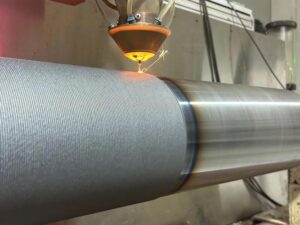
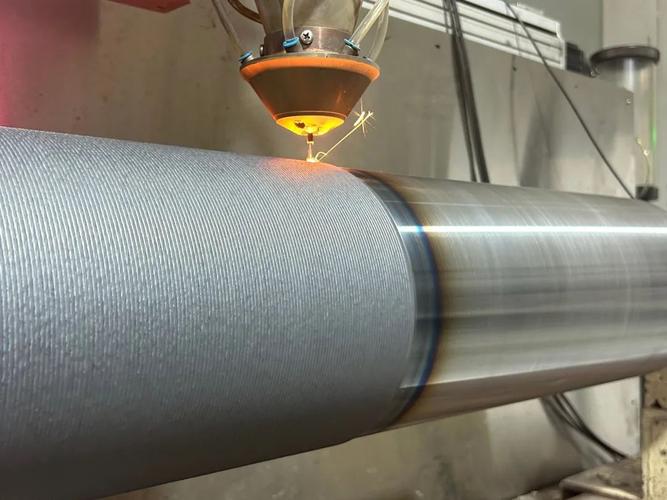
Laser cladding is a metallurgical process that enhances the surface of a component by depositing a layer of material onto its substrate using a high-energy laser beam. The beam melts both the added material and a thin portion of the base metal, creating a fused bond once solidified. Because the heat input is precisely controlled, the process produces a high-quality metallurgical bond without significantly affecting the surrounding structure.
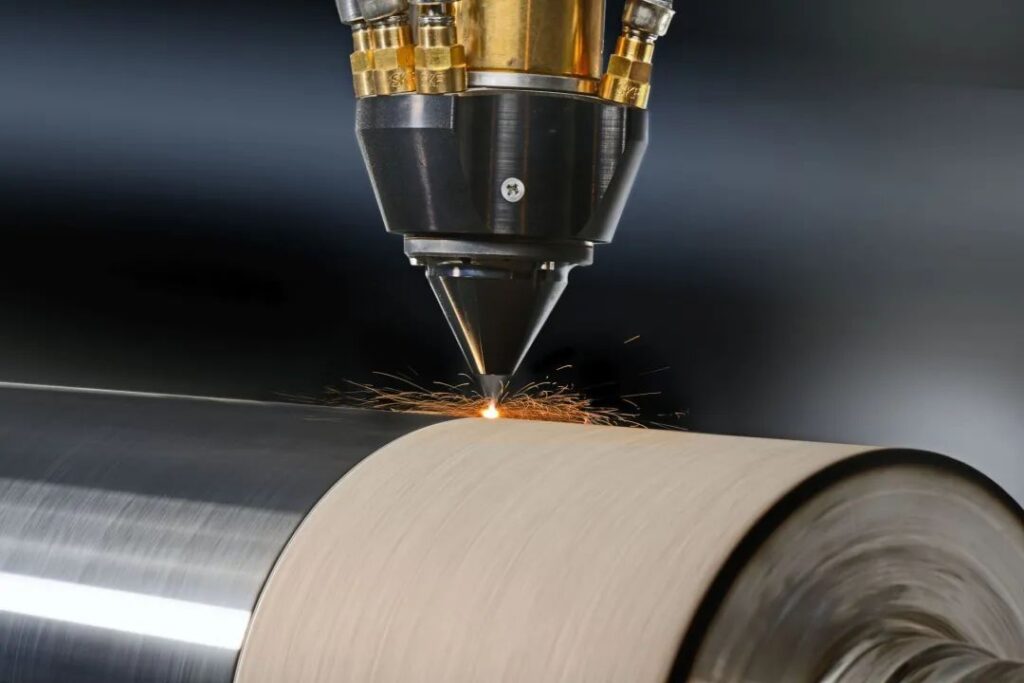
Compared with traditional welding or thermal spraying, laser cladding offers superior dilution control, meaning the added material retains its properties more effectively. Additionally, the resulting layer is highly uniform and has exceptional adhesion. These characteristics make laser cladding ideal for applications involving wear resistance, corrosion resistance, and dimensional restoration.
Another important aspect is its flexibility. Whether a manufacturer needs to repair a worn shaft, restore a turbine blade, or create a specialized, high-performance surface layer, laser cladding provides a tailored solution. Combined with CNC or robotic equipment, the process adapts to complex geometries and delivers repeatable quality.
What are the Laser Cladding Materials?
The success of the process depends heavily on the cladding material used. Different alloys serve different needs, and manufacturers choose materials based on the component’s working environment. Some of the most common categories include:
Nickel-Based Alloys
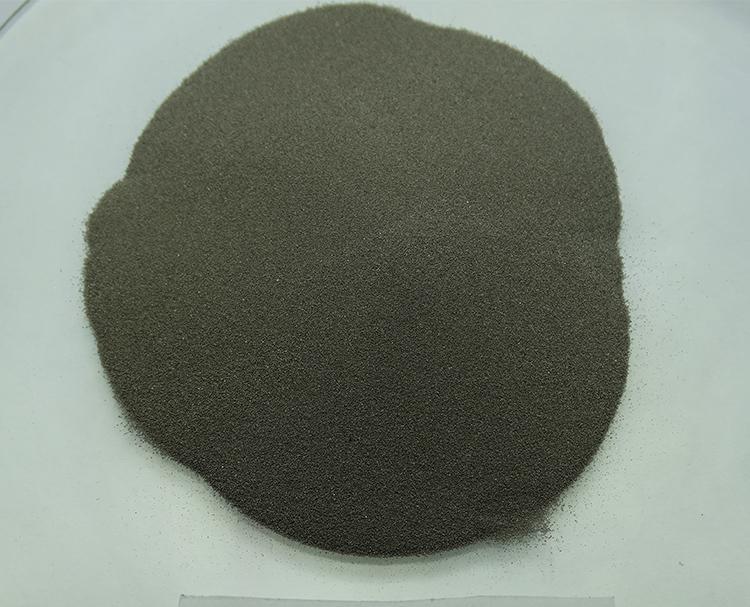
Nickel alloys such as Inconel 625, Inconel 718, and other Ni-Cr-Mo formulations are often used for corrosion resistance and high-temperature stability. These alloys perform exceptionally in petrochemical equipment, turbine components, and marine applications.
Cobalt-Based Alloys
Alloys like Stellite are well-known for high wear and heat resistance. They are frequently applied in valves, cutting tools, and engine components that must endure friction and elevated temperatures.
Iron-Based Alloys
Iron-based alloys, including martensitic stainless steel and tool steel powders, provide cost-effective solutions. These are widely used to restore worn surfaces on industrial machinery, molds, and general engineering parts.
Carbide-Reinforced Materials
Tungsten carbide or chromium carbide–reinforced powders are used when extreme abrasion resistance is required. Mining tools, drilling components, and heavy-duty rollers are typical beneficiaries.
Copper-Based Materials
In specialized applications where thermal conductivity is important—such as mold inserts or spot-welding electrodes—copper-based alloys provide efficient heat dissipation.
Each material category offers unique mechanical properties, and laser cladding provides the controlled environment needed to preserve and enhance them. The ability to mix alloys or adjust particle size further broadens the range of possibilities.
Why Use Laser Cladding?
Manufacturers choose this process for multiple reasons, especially when components operate under demanding conditions. Some of the key motivations include:
Surface Enhancement
Laser cladding provides superior wear resistance, reducing downtime and extending the life of critical machinery. This is particularly valuable in production environments where equipment must run continuously.
Dimensional Restoration
Instead of replacing entire parts, components such as shafts, hydraulic pistons, molds, and turbine blades can be rebuilt to original specifications. This capability provides substantial cost savings and reduces lead times.
Corrosion and Oxidation Protection
Certain environments—such as chemical processing, power generation, or marine sectors—expose components to corrosion and oxidation. The added layer acts as a protective barrier while maintaining mechanical strength.
Minimal Thermal Distortion
Since the laser delivers heat in a concentrated manner, the surrounding material experiences minimal distortion. This is a significant advantage compared with traditional welding methods.
Environmental and Economic Benefits
Laser cladding reduces material waste, allows repair instead of replacement, and often requires fewer post-processing steps. All of these factors contribute to more efficient and sustainable manufacturing practices.
Application of Laser Cladding
Laser cladding has transformed the way various industries enhance and maintain equipment. Its applications are broad, and new uses continue to emerge as technology advances.
Aerospace
Aircraft engine components, turbine blades, and landing gear parts benefit from extended durability. The technique restores worn areas while maintaining strict dimensional tolerances.
Automotive Industry
High-performance engine parts, injection molds, and transmission components are frequently treated to improve wear resistance and reduce downtime.
Energy Sector
In power plants, laser cladding is used on valves, pumps, and rotating equipment exposed to high temperatures and corrosive environments.
Oil and Gas
Drilling tools, blowout preventers, and subsea components face severe abrasion and corrosion. The process provides layers that withstand demanding service conditions.
Mining and Heavy Machinery
Rollers, crushing tools, and excavation parts require robust wear resistance. Laser cladding offers a reliable solution that prolongs operational life.
Mold and Die Industry
Plastic molds, die-casting tools, and forming dies benefit from improved hardness, corrosion resistance, and precise repair capability.
The ability to apply customized material layers exactly where needed makes laser cladding a versatile and economically sound process across industries.
Advantages of Laser Cladding
Laser cladding provides several combined advantages that distinguish it from other surface modification methods:
High Bond Strength
The metallurgical bond formed between the clad and substrate ensures excellent adhesion, reducing the likelihood of delamination under load.
Low Dilution
Minimal mixing between the base material and added material preserves the desired chemical and mechanical properties of the coating.
Precision and Control
The laser’s accuracy allows for localized treatment without affecting the entire surface. Complex geometries and small features are well-suited to this process.
Superior Surface Finish
The resulting layer is typically smooth, requiring less grinding or machining afterward, which contributes to reduced post-processing costs.
Extended Component Life
Improved wear resistance, corrosion resistance, and fatigue strength help parts remain in service longer. This results in greater reliability and reduced replacement frequency.
These benefits explain why industries with strict performance requirements increasingly choose laser cladding over traditional welding or coating methods.
How to Inspect the Quality of the Weld After Laser Cladding
Proper inspection ensures that the cladded surface performs as expected in real-world conditions. Quality control typically involves a combination of visual checks, mechanical testing, and advanced measurement techniques.
Visual Examination
Technicians examine the surface for uniformity, cracks, pores, and bonding defects. Even distribution of the cladding material is essential for consistent performance.
Metallographic Analysis
Cross-section samples are evaluated under a microscope to confirm bond quality, dilution level, hardness, and microstructure. This method verifies whether the process produced the intended results.
Hardness Testing
Hardness measurements provide valuable insight into the surface’s wear resistance and overall durability. Different sections may be checked to ensure uniform hardness across the clad layer.
Non-Destructive Testing (NDT)
Ultrasonic testing, dye penetrant testing, and eddy current testing are commonly used. These methods detect internal defects without damaging the component.
Dimensional Inspection
Tools such as CMM equipment, laser scanners, or micrometers measure the restored part to verify conformity with original tolerances. Dimensional accuracy is especially important for mating components in machinery.
Bond Strength Testing
In specific cases, bond strength tests are performed to confirm that the cladding layer will not detach under stress or vibration.
Combining these inspection methods ensures reliability and consistency, making the process suitable for high-precision industries.
Conclusion
Laser cladding has become an essential solution for improving the longevity and performance of modern industrial components. Its versatility, precision, and ability to enhance surfaces with minimal distortion make it a preferred method for surface restoration and reinforcement. As industries continue to push for greater efficiency and reliability, this technology provides a dependable pathway to achieving those goals.
Precionn, a machining-focused manufacturer dedicated to quality and precision, supports a wide range of industrial projects by applying advanced processes and high-performance materials. With a commitment to delivering reliable solutions and exceptional craftsmanship, Precionn continues to help global customers achieve stronger, longer-lasting components.