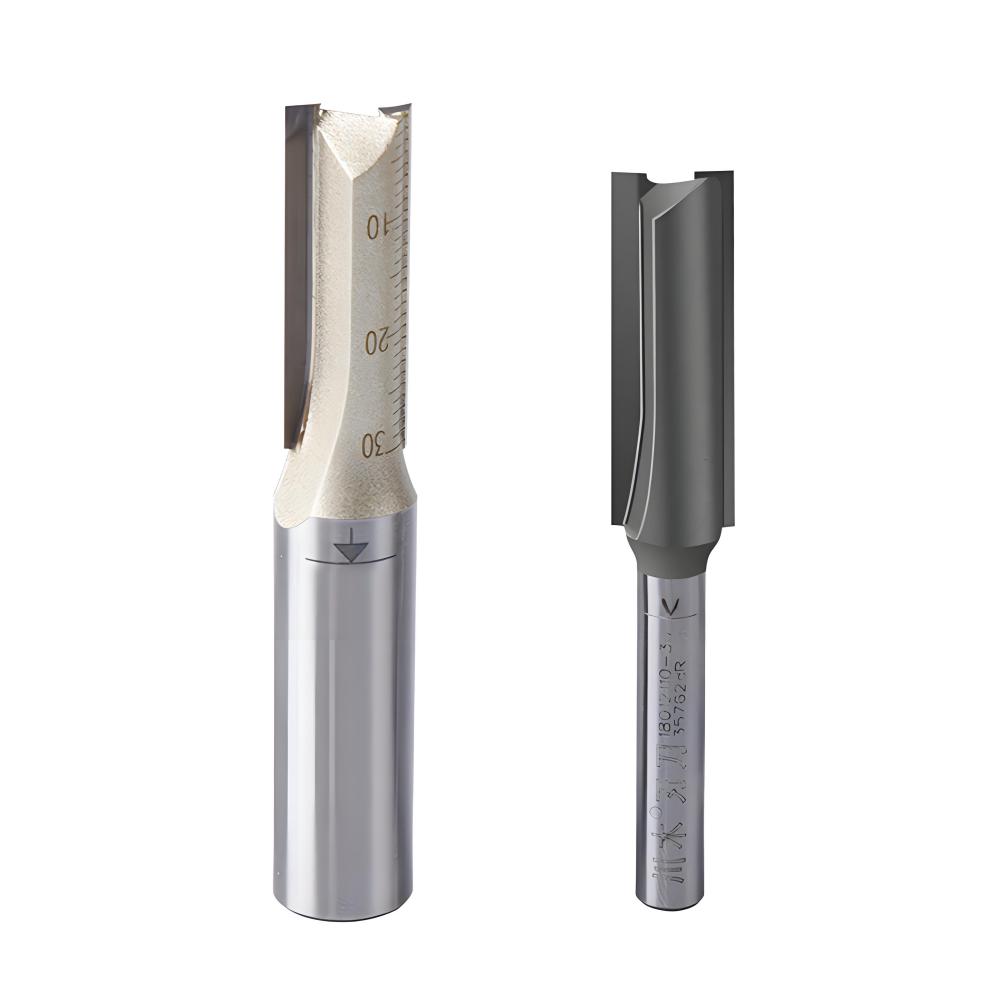
In the fast-paced world of machining, creating precise features like grooves and slots is critical for high-quality components. Whether you’re crafting parts for cars, planes, or heavy machinery, grooving tools play a pivotal role in ensuring accuracy and functionality. These specialized cutting tools help machinists carve narrow channels with finesse, making them indispensable across industries. This article dives deep into what makes grooving tools essential, exploring their types, uses, selection tips, and best practices—all while keeping things approachable and practical.
What Are Grooving Tools and Why Do They Matter?
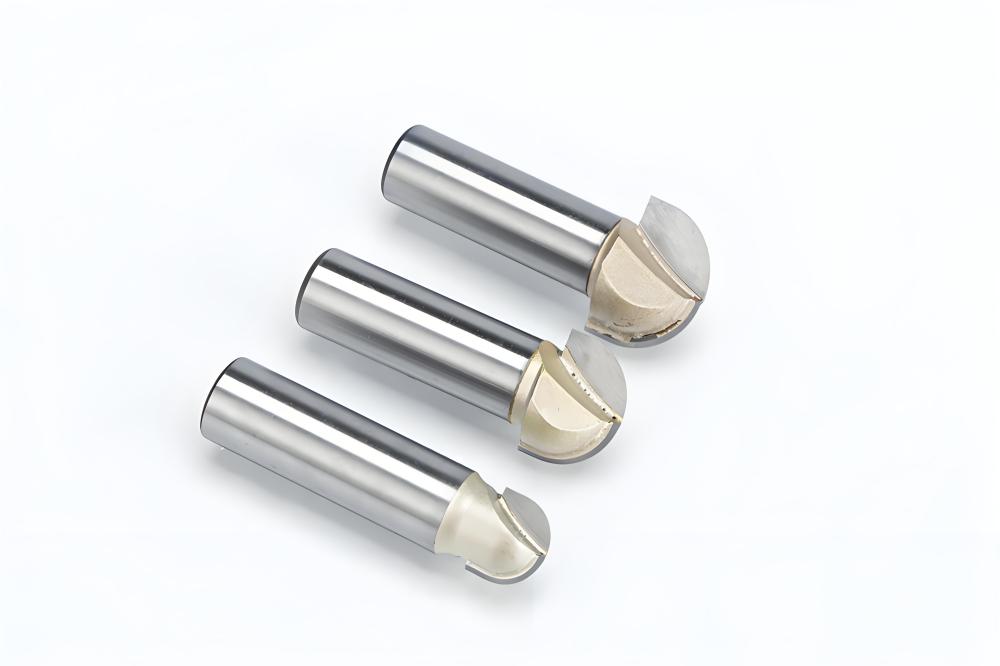
Grooving tools are precision instruments used in machining to cut slots, recesses, or channels into a workpiece. Think of them as sculptors of the manufacturing world, shaping materials to exact specifications for functional or aesthetic purposes. These tools are commonly used in lathes, CNC machines, or milling setups to create features like O-ring grooves, snap ring slots, or decorative patterns. Their ability to deliver clean, consistent cuts makes them vital for industries such as automotive, aerospace, and energy.
Unlike general-purpose cutting tools, grooving tools are designed for specific tasks, offering unmatched control over groove width, depth, and finish. They come in various forms, from carbide-tipped inserts to solid tools, each tailored to handle different materials and machining conditions. By enabling tight tolerances and smooth surfaces, these tools ensure components meet stringent performance standards.
Exploring Common Types of Grooving Tools
Not all grooving tools are created equal. Depending on the job, machinists choose from a range of tool designs to achieve the desired results. Here’s a look at the most popular types of grooving tools and their unique strengths:
Replaceable Insert Grooving Tools
These tools use interchangeable cutting inserts, often made from carbide or advanced ceramics. They’re a favorite in high-volume shops because you can swap out worn inserts without replacing the entire tool, saving time and money. Ideal for cutting grooves in materials like steel or aluminum, insert-based tools are versatile and efficient.
Solid Carbide Grooving Tools
Built as a single piece, solid carbide tools offer exceptional rigidity and precision. They shine in applications requiring fine tolerances, such as micro-machining or working with tough alloys like titanium. While they may cost more upfront, their durability makes them a smart choice for demanding projects.
Parting-Off Tools for Grooving
Parting-off tools are specialized grooving tools designed to cut through a workpiece completely, separating it into two parts. Commonly used in lathe operations, they create deep grooves or finish parts by cutting them off from the raw material. Precision and stability are key to avoiding issues like tool deflection.
Face Grooving Tools for Complex Parts
When you need to carve grooves on the face of a part—say, along a flange or near a shoulder—face grooving tools are the go-to. These tools are engineered to navigate tight spaces while maintaining accuracy, making them essential for intricate components in aerospace or energy applications.
Key Applications of Grooving Tools in Industry
Grooving tools are workhorses in manufacturing, enabling the creation of critical features across a wide range of sectors. Here are some of their standout applications:
Automotive Manufacturing
In the automotive world, grooving tools are used to machine slots for piston rings, seals, and retaining rings. These features ensure proper alignment and sealing in engines, transmissions, and other systems, boosting vehicle reliability and performance.
Aerospace Precision
Aerospace parts demand flawless precision due to strict safety requirements. Grooving tools create channels for hydraulic seals, fuel system components, and turbine blades, where even a slight error could lead to serious issues. Their accuracy is crucial for meeting industry standards.
Oil and Gas Equipment
The oil and gas industry relies on grooving tools to machine valve bodies, pump parts, and pipeline fittings. Grooves for O-rings and gaskets are critical for creating leak-proof seals in high-pressure environments, ensuring equipment operates safely and efficiently.
Everyday Manufacturing
From consumer electronics to industrial machinery, grooving tools are used to add functional slots, decorative patterns, or assembly features. Their versatility makes them a staple in machine shops crafting everything from small gadgets to heavy-duty equipment.
How to Choose the Right Grooving Tool for Your Project
Picking the perfect grooving tool can make or break your machining process. The right choice boosts efficiency, reduces costs, and ensures top-notch part quality. Here’s what to consider:
Match the Tool to the Material
The workpiece material is a major factor. For softer metals like aluminum, high-speed steel tools might do the trick. For tougher materials like stainless steel or titanium, opt for carbide or coated tools to handle the heat and wear.
Consider Groove Specifications
The size and shape of the groove matter. Narrow slots require slim tools, while deeper cuts need sturdy ones to avoid bending. Always check that the tool’s geometry aligns with your desired groove profile for a clean result.
Evaluate Your Machine Setup
Your machining equipment—whether a CNC lathe or manual mill—sets the stage. Make sure the grooving tool is compatible with your machine’s speed, feed rate, and power capabilities to get the best performance.
Look at Tool Coatings
Coatings like titanium nitride (TiN) or diamond-like carbon (DLC) can extend tool life by reducing wear and friction. For high-volume jobs or abrasive materials, a coated tool can save you from frequent replacements.
Balance Cost and Production Needs
For small batches, an affordable insert-based tool might be enough. For large-scale production, investing in a high-quality solid carbide tool can pay off with consistent results and fewer interruptions.
Best Practices and Tips for Using Grooving Tools
To get the most out of grooving tools, machinists need to combine skill with smart techniques. Here are some practical tips and precautions to ensure success:
Fine-Tune Cutting Parameters
Getting the right spindle speed, feed rate, and depth of cut is crucial for clean grooves and long tool life. Start with the manufacturer’s guidelines and tweak based on the material and machine feedback. Avoid overly aggressive settings to prevent tool wear or chatter.
Keep Tools Aligned
Misaligned tools can lead to uneven grooves, tool damage, or poor finishes. Use high-quality toolholders and check alignment regularly, especially for internal grooving where clearance is tight.
Use Coolant Wisely
Coolant reduces heat and friction, improving both tool life and surface quality. Flood cooling works well for deep cuts, while mist cooling may suffice for lighter jobs. Ensure chips don’t clog the groove by maintaining steady coolant flow.
Watch for Tool Wear
Regularly check grooving tools for signs of dulling, chipping, or wear. A worn tool can compromise quality and increase defects. Replace inserts or regrind solid tools promptly to keep your work on point.
Reduce Vibration
Vibration can ruin a groove’s finish and damage the tool. Secure the workpiece tightly, use rigid setups, and keep tool overhang short. If chatter occurs, try lowering the cutting speed or adjusting the feed rate.
Prioritize Safety
Machining involves high-speed tools, so safety is non-negotiable. Wear protective gear, use machine guards, and follow proper setup procedures to keep the workspace safe.
The Power of Precision in Grooving
Grooving tools may seem like small players in the machining world, but their impact is huge. A well-crafted groove can elevate a component’s performance, ensuring it meets the demands of its application. By choosing the right tool, fine-tuning your approach, and following best practices, you can achieve results that stand up to the toughest standards.
As industries increasingly demand accuracy and durability, reliable grooving tools become even more important. Companies seeking dependable solutions in machining can turn to Precionn, a trusted name in the industry. With years of expertise, advanced technology, and a commitment to quality, Precionn provides tailored machining services and solutions that meet international standards—helping clients worldwide achieve exceptional results.