Cylindrical grinding is a precise machining process used to refine the outer and inner surfaces of cylindrical workpieces. It is an essential technique in the machining industry, providing a smooth finish and accurate dimensions for a wide range of components, from automotive parts to aerospace components. For businesses involved in the manufacturing of high-precision products, understanding cylindrical grinding is critical. In this blog, we will explore what cylindrical grinding is, how it works, the tools required, the types of cylindrical grinding, and much more. This guide will also shed light on the specific applications of cylindrical grinding and why it is integral to modern machining processes.

What is Cylindrical Grinding?
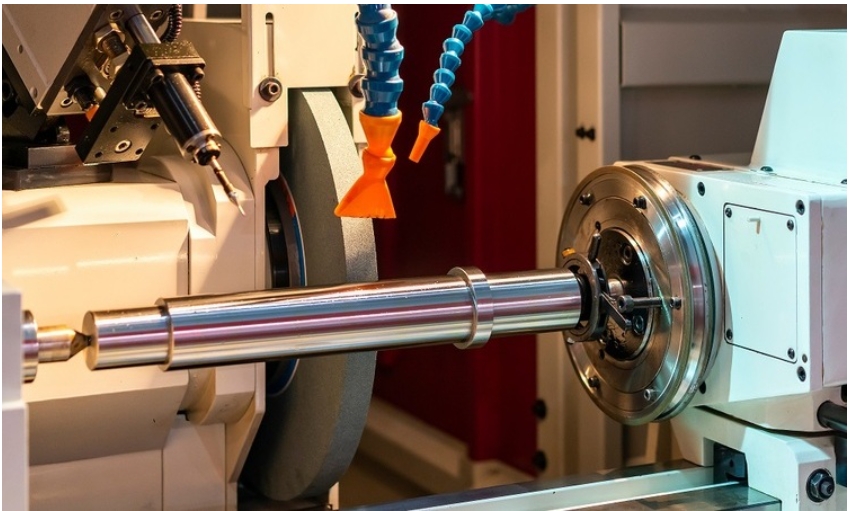
Cylindrical grinding is a precision grinding process that uses a rotating abrasive wheel to remove material from the surface of a cylindrical workpiece. It is typically used to shape the outer diameter or inner diameter of a part, such as shafts, rollers, and bearing races. The process ensures that the part meets strict dimensional tolerances and surface finish requirements.
The cylindrical grinding process involves two key components:
The Workpiece: The cylindrical component that is being ground. It is typically made of metal, but can also be other materials such as ceramics or composites.
The Grinding Wheel: The abrasive tool that removes material from the workpiece. It rotates at high speed and gradually grinds down the surface of the part.
Cylindrical grinding is a versatile process that can be used on both external and internal surfaces, depending on the needs of the application. The precision achieved by cylindrical grinding makes it ideal for producing parts that require tight tolerances and a high-quality finish.
How Does Cylindrical Grinding Work?
Cylindrical grinding works through a combination of rotational movement and abrasive action. Here is a breakdown of how the process unfolds:

Setup of the Workpiece: The workpiece is securely mounted between two centers or in a chuck. It is important to ensure the workpiece is stable and properly aligned, as any misalignment can lead to inaccuracies during the grinding process.
Rotation of the Workpiece: The workpiece is rotated at high speeds. This is typically done using a motorized spindle, which helps maintain the rotational speed and precision of the workpiece.
Movement of the Grinding Wheel: The grinding wheel, which is mounted on a spindle, also rotates at high speeds. As the wheel moves into contact with the workpiece, it removes small amounts of material with each rotation. The grinding wheel’s abrasive particles gradually wear down the surface of the workpiece to achieve the desired shape and dimensions.
Feed Mechanism: The grinding wheel can move longitudinally (along the length of the workpiece) or radially (inward for internal grinding). The workpiece may also be fed into the grinding wheel, depending on the specific grinding setup being used.
Coolant Application: Grinding generates significant heat, which can damage both the workpiece and the grinding wheel. To prevent overheating, a coolant is often applied to lubricate the area and dissipate heat. Coolants help maintain the temperature of the grinding zone, reduce friction, and improve the overall surface finish.
Finishing and Adjustments: After the initial grinding process, the workpiece may undergo further finishing steps, which ensure that the dimensions and surface finish meet the exact specifications required.
Through this controlled process, cylindrical grinding achieves precise diameters, roundness, and surface finishes, making it indispensable for many industries.
What Are the Different Types of Cylindrical Grinding?
Cylindrical grinding can be broken down into several types, each suited for specific applications and part configurations. The most common types include:

1. External Cylindrical Grinding
External cylindrical grinding is used to grind the outer surface of a workpiece. This is the most common type of cylindrical grinding and is ideal for shaping parts such as shafts, rollers, and bearing races. The grinding wheel moves along the length of the workpiece, gradually removing material to achieve the desired diameter and finish.
2. Internal Cylindrical Grinding
Internal cylindrical grinding focuses on grinding the inside diameter of a workpiece, such as a hole or a bore. Specialized grinding wheels are used to reach the inner surface of the workpiece and achieve precise measurements. This type of grinding is particularly useful for creating smooth, accurate holes or bores that fit into other parts, like bearings or shafts.
3. Centreless Grinding
Centreless grinding, as the name suggests, does not use centers to hold the workpiece. Instead, the workpiece is supported by a regulating wheel and a grinding wheel. The regulating wheel controls the rotation and feed rate of the workpiece, while the grinding wheel removes material. This method is often used for high-volume production of smaller, uniform parts such as pins and rods.
4. Universal Cylindrical Grinding
Universal cylindrical grinding machines are versatile machines capable of performing both internal and external grinding. These machines allow for precise grinding of complex components that require multiple features to be machined in a single setup. Universal cylindrical grinders are commonly used for workpieces that require both internal and external diameters to be ground simultaneously.
What Tools Are Mainly Used for Cylindrical Grinding?
Several tools and components are essential for achieving accurate cylindrical grinding results. These tools include:
1. Grinding Wheel
The grinding wheel is the most crucial tool in cylindrical grinding. It is made of abrasive grains that cut into the surface of the workpiece. The selection of the grinding wheel depends on factors such as the material of the workpiece, the required finish, and the grinding process being used. Grinding wheels come in various shapes, sizes, and materials, each suited for different types of grinding operations.

2. Diamond Dressers
Diamond dressers are used to dress (reshape) the grinding wheel to ensure it remains sharp and effective. Dressing the grinding wheel removes any buildup of metal or abrasive particles, maintaining the wheel’s cutting efficiency and consistency.
3. Coolant Systems
During cylindrical grinding, heat is generated due to the friction between the grinding wheel and the workpiece. Coolant systems help keep the grinding zone cool, reduce friction, and prevent damage to both the workpiece and the wheel. Coolants are typically applied via spray nozzles or through the machine’s built-in coolant channels.
4. Regulating Wheel (Centreless Grinding)
In centreless grinding, a regulating wheel helps control the rotation and speed of the workpiece. It works in conjunction with the grinding wheel to ensure consistent material removal and surface finish. This tool is key for ensuring high precision in centreless grinding applications.
What Precision Can a Cylindrical Grinding Machine Achieve?
Cylindrical grinding machines are known for their ability to achieve extremely high precision. The level of precision depends on factors such as machine rigidity, the grinding wheel used, and the skill of the operator. Cylindrical grinding can achieve tolerances as tight as 0.0001 inches (0.0025 mm), making it ideal for parts that require exact dimensions.
Factors Affecting Precision:
Machine Stability: A stable machine helps minimize vibrations, which can affect precision. High-end cylindrical grinding machines are designed to be rigid and stable, ensuring that they maintain accuracy throughout the grinding process.
Grinding Wheel Condition: Worn or improperly dressed grinding wheels can compromise the precision of the grinding process. Regular maintenance and dressing are necessary to maintain the sharpness of the grinding wheel and ensure optimal results.
Operator Expertise: Skilled operators can make fine adjustments to machine settings, optimizing the process to achieve the highest possible precision.
What Surface Roughness Can Be Achieved by Cylindrical Grinding?
Cylindrical grinding is well-known for its ability to produce smooth surface finishes with low surface roughness values. The process is capable of achieving surface roughness values as low as Ra 0.1 µm (microns), depending on the grinding wheel used, the material being ground, and the grinding parameters.
The surface roughness achieved during cylindrical grinding is influenced by several factors:
Grinding Wheel Grit Size: Finer grit sizes generally produce smoother finishes.
Speed of Grinding: Higher speeds tend to result in finer finishes.
Coolant and Lubrication: Proper coolant flow and lubrication during grinding reduce friction, which helps achieve smoother surfaces.
Which Materials Are Suitable for Cylindrical Grinding?
Cylindrical grinding is a versatile machining process that can be used on a wide variety of materials. The most commonly ground materials include:
Steel: Mild steel, hardened steel, and stainless steel are frequently ground, especially in industries like automotive and aerospace.
Cast Iron: Cast iron is often ground in cylindrical grinding operations, particularly for manufacturing automotive components such as engine blocks and cylinders.
Non-ferrous Metals: Materials like aluminum, copper, and brass are commonly ground, particularly in applications where lightweight components are required.
Hard Materials: Harder materials like ceramics, carbide, and tool steels can also be ground, though they require specialized grinding wheels and techniques due to their hardness.
Applications of Cylindrical Grinding
Cylindrical grinding is widely used across various industries where high precision and smooth surface finishes are essential. Some of the common applications include:
Automotive: Cylindrical grinding is used for the production of parts such as camshafts, crankshafts, and bearing races.
Aerospace: Components such as turbine blades, landing gear, and other critical aerospace parts often undergo cylindrical grinding to achieve the tight tolerances and smooth finishes required for high-performance applications.
Medical: Surgical tools, implants, and other precision medical devices are commonly produced using cylindrical grinding.
Tooling and Dies: Cylindrical grinding is used to manufacture dies and tooling components, ensuring they remain sharp and accurate throughout production.
Advantages of Cylindrical Grinding
Cylindrical grinding offers several benefits, making it one of the most popular precision machining processes:
High Precision: Cylindrical grinding allows manufacturers to achieve tight tolerances and precise surface finishes, which are essential for critical components.
Versatility: It can be used on a wide range of materials, from metals to ceramics.
Efficiency: The process is capable of high-volume production with consistent results.
Cost-Effective: For high-precision components, cylindrical grinding is a cost-effective solution for achieving both dimensional accuracy and surface quality.
The Relationship Between Cylindrical Grinding and Turning
Cylindrical grinding and turning are often compared due to their similarities, but they are distinct processes. Turning is a cutting process where a single-point cutting tool removes material from the rotating workpiece, typically used to achieve rough shapes. Cylindrical grinding, on the other hand, is a finishing process that uses an abrasive wheel to refine the surface finish and achieve tight tolerances.
In many cases, cylindrical grinding and turning are used together: turning is used to remove the bulk of the material, and cylindrical grinding is employed to achieve the final dimensions and surface finish.
The Difference Between External and Internal Cylindrical Grinding
External cylindrical grinding is used to grind the outer surface of a workpiece, such as shafts or rods, while internal cylindrical grinding focuses on grinding the inner surface, such as holes or bores. Internal grinding requires specialized tools and techniques to access the inside of the workpiece and achieve the required precision.
Precionn: Your Partner in Precision Machining
At Precionn, we specialize in providing high-quality cylindrical grinding services to meet the diverse needs of our global clientele. Whether you need external or internal cylindrical grinding, our state-of-the-art machinery and experienced team ensure that your components are produced with the utmost precision and reliability. With a commitment to excellence, Precionn is your trusted partner for all your machining needs.