Boring tools play a crucial role in the machining industry, ensuring precision, efficiency, and quality in metalworking operations. Whether it’s enlarging holes, refining surfaces, or achieving high tolerances, these tools are indispensable in workshops and manufacturing plants worldwide. This article explores the fundamentals of boring tools, their types, materials, performance factors, maintenance tips, and guidance on selecting the right tool for each project.
What are Boring Tools?
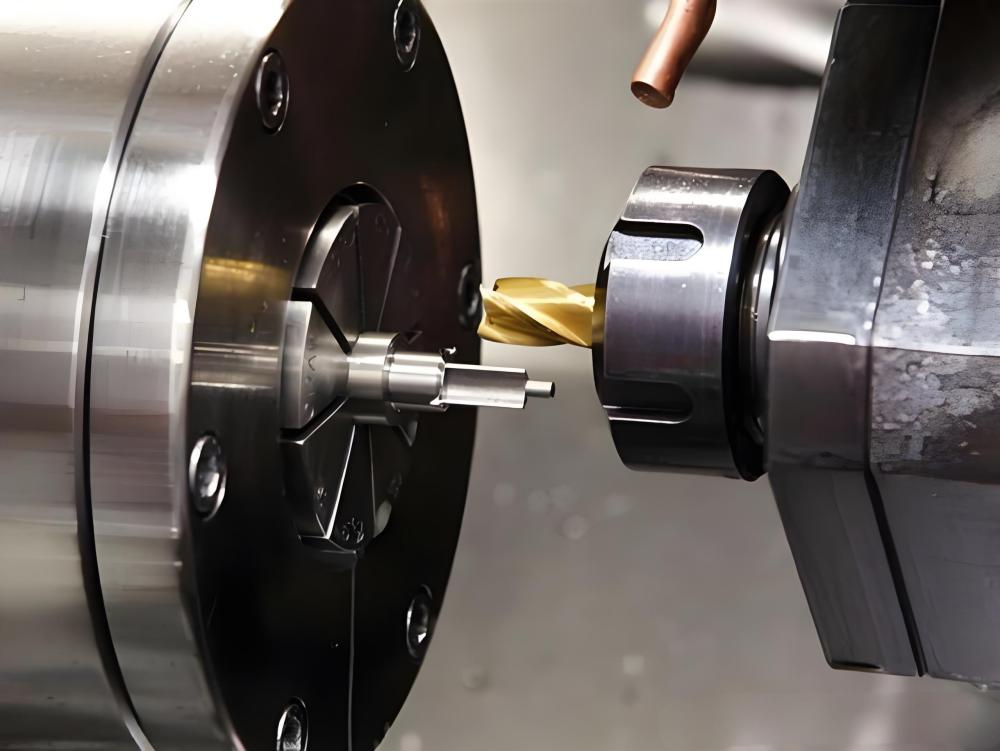
Boring tools are specialized cutting instruments designed to enlarge or finish pre-existing holes in materials such as metals, plastics, and composites. Unlike drilling, which creates a hole from scratch, boring focuses on improving dimensional accuracy and surface finish.
The primary objective of boring tools is to provide high-precision internal diameters and smooth finishes. They are commonly used in industries such as automotive, aerospace, mold manufacturing, and general metalworking.
Boring tools can operate on a variety of machines, including lathes, boring mills, and CNC machining centers. Their versatility allows machinists to adapt them for both roughing and finishing operations, ensuring that every hole meets strict specifications.
Common types of Boring Tools
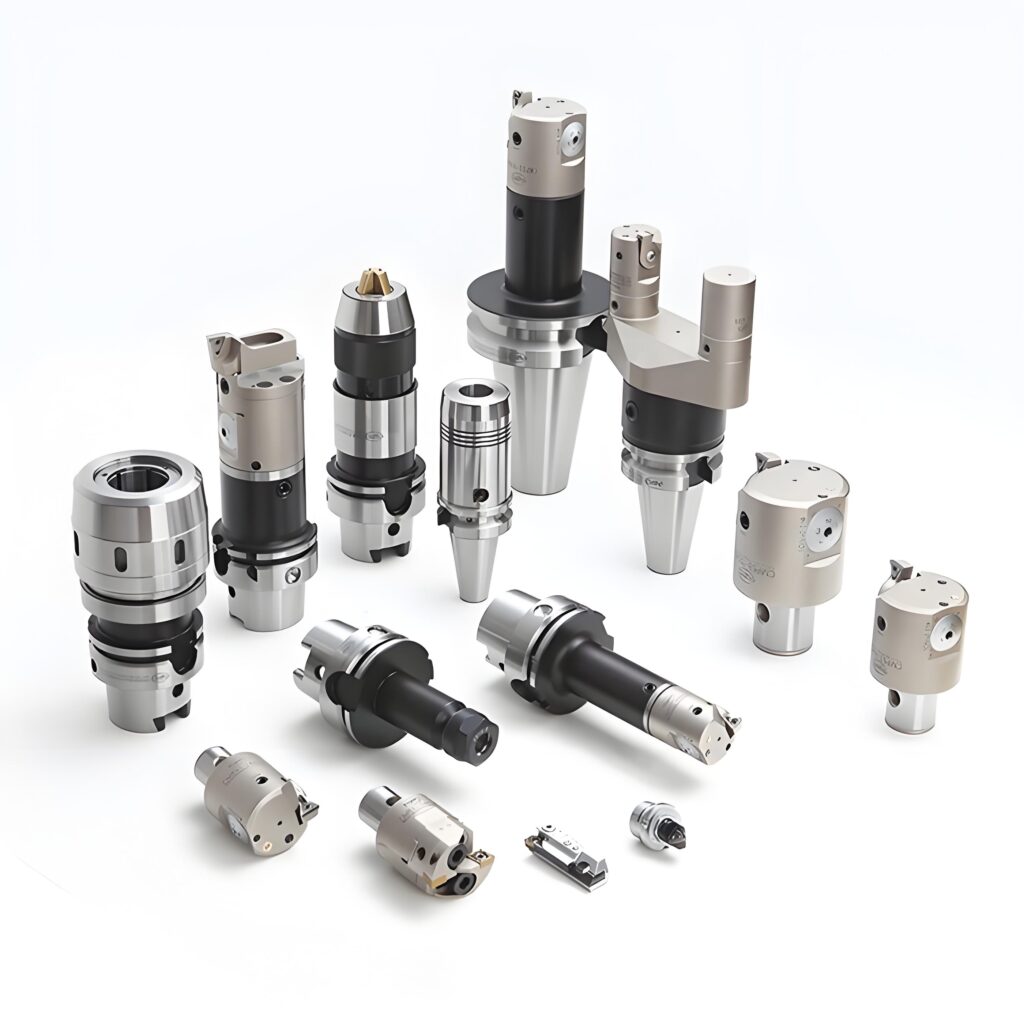
Boring tools come in various forms, each suited for specific machining requirements. Understanding these types is crucial for achieving the best results.
1. Single-Point Boring Tools
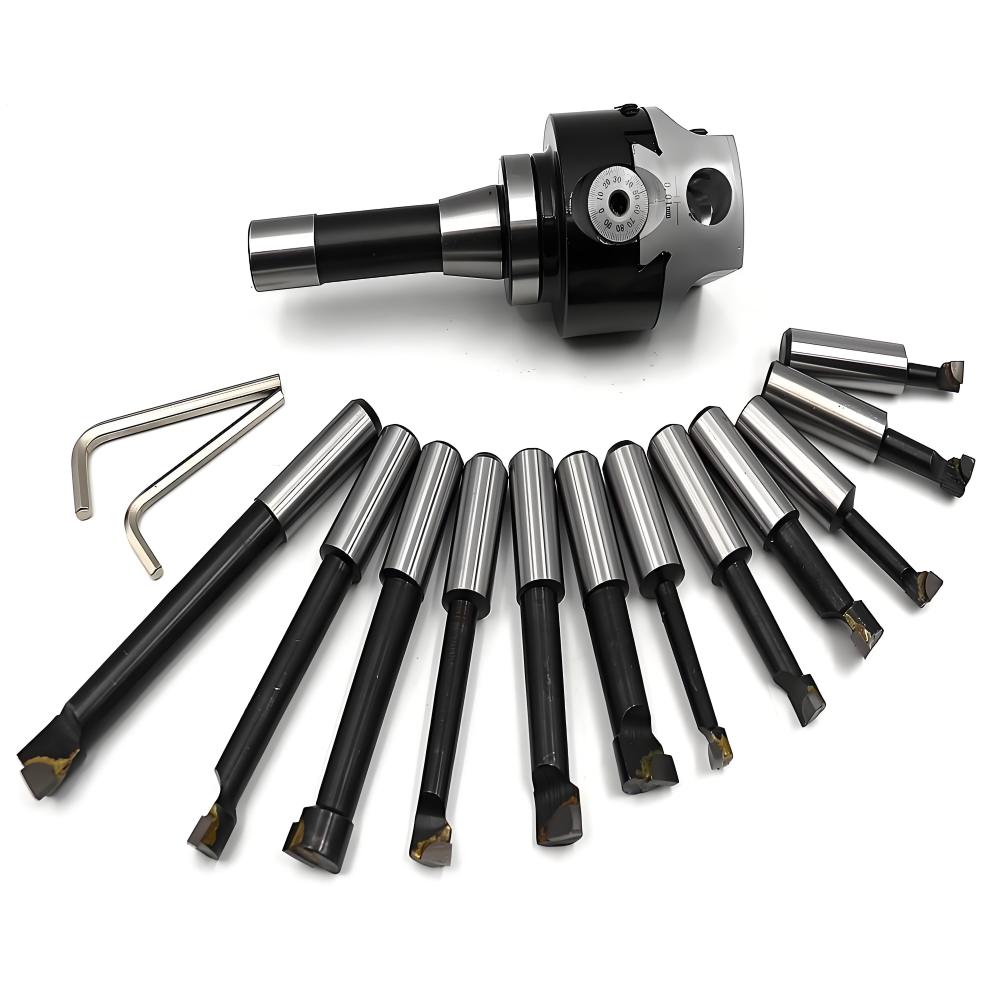
Single-point boring tools are typically mounted on a boring bar and feature one cutting edge. These tools are ideal for fine-tuning the diameter of a hole and achieving precise tolerances. They are commonly used in turning and lathe operations.
2. Multi-Point Boring Tools
Multi-point boring tools contain multiple cutting edges, allowing faster material removal and more efficient finishing. They are suitable for larger holes and high-volume production environments where consistency is essential.
3. Adjustable Boring Tools
Adjustable boring tools allow the machinist to modify the cutting diameter without changing the tool. This flexibility makes them perfect for applications requiring different hole sizes within the same workpiece.
4. Indexable Boring Tools
Indexable boring tools use replaceable inserts, offering cost efficiency and convenience. When an insert wears out, it can be replaced without discarding the entire tool. This type is widely used in CNC machining for metals like steel, aluminum, and cast iron.
5. Specialized Boring Tools
Certain boring tools are designed for unique purposes, such as deep hole boring, internal threading, or machining hardened materials. These specialized tools ensure that even the most challenging projects achieve high precision.
The Material and Selection of Boring Tools
The material of a boring tool significantly affects its performance, longevity, and suitability for different applications.
Common Materials:
- High-Speed Steel (HSS): Offers good toughness and is suitable for general machining. HSS tools are ideal for softer metals but may wear quickly on harder materials.
- Carbide: Known for high hardness and wear resistance, carbide boring tools provide excellent performance in high-speed machining and harder materials.
- Cermet: Combining ceramic and metallic properties, cermet tools offer a balance between toughness and wear resistance, ideal for finishing operations.
- Ceramic: Extremely hard and heat-resistant, ceramic boring tools are suited for high-speed finishing of hard metals but are brittle and require careful handling.
- Coated Tools: Many boring tools feature coatings like TiN, TiAlN, or diamond-like coatings to improve wear resistance, reduce friction, and extend tool life.
Selection Tips:
Choosing the right boring tool involves considering:
- The material of the workpiece.
- The required surface finish and tolerance.
- The depth and diameter of the hole.
- Machining speed, feed rate, and machine rigidity.
Proper selection ensures not only optimal performance but also reduces tool wear, machining time, and production costs.
Factors influencing the performance of Boring Tools
Several factors can impact the effectiveness and lifespan of boring tools.
1. Tool Geometry
The design of the cutting edge, rake angle, and overall geometry influences chip removal, cutting forces, and surface finish. Proper tool geometry ensures smoother operations and extends tool life.
2. Cutting Parameters
Speed, feed rate, and depth of cut directly affect the performance of boring tools. Using inappropriate parameters can lead to tool wear, vibration, and poor surface finish.
3. Machine Stability
A rigid and well-maintained machine ensures consistent boring performance. Any vibration or instability can damage the tool and the workpiece.
4. Workpiece Material
Hard or abrasive materials increase tool wear. Adjusting cutting parameters and selecting the right tool material is essential for maintaining efficiency.
5. Coolant and Lubrication
Proper use of coolant reduces heat, friction, and tool wear. This is particularly important when machining metals that generate high cutting temperatures.
Tool Maintenance and Usage Skills
Proper maintenance and correct usage are critical for extending the life of boring tools and achieving high-quality results.
1. Regular Inspection
Check tools for wear, chipping, and damage before and after use. Worn tools can affect machining accuracy and surface finish.
2. Sharpening and Replacement
Keep cutting edges sharp. Single-point and multi-point tools may require periodic sharpening, while indexable tools benefit from timely insert replacement.
3. Proper Storage
Store boring tools in clean, dry, and organized environments to prevent rust, corrosion, or accidental damage.
4. Optimized Cutting Conditions
Always follow recommended speed, feed, and depth of cut guidelines. Avoid overloading the tool to maintain performance and prevent breakage.
5. Skillful Handling
Experienced machinists know how to minimize vibration, achieve optimal chip flow, and maintain precision. Training and hands-on experience are invaluable for maximizing boring tool efficiency.
How to Select the Appropriate Boring Tools for Your Project
Selecting the right boring tool requires a combination of knowledge, experience, and attention to project requirements.
- Analyze the Workpiece Material: Determine whether the material is soft, hard, or abrasive. Different materials require specific tool types and coatings.
- Define the Hole Specifications: Consider diameter, depth, and tolerance requirements. This guides the choice between single-point, multi-point, or specialized boring tools.
- Evaluate Machine Capabilities: Ensure the tool matches the machine’s rigidity, spindle speed, and torque.
- Consider Production Volume: High-volume production favors indexable and multi-point tools, while low-volume or prototype work may benefit from adjustable or single-point tools.
- Focus on Cost and Efficiency: Factor in tool longevity, ease of maintenance, and replacement costs to optimize overall project efficiency.
By carefully considering these factors, machinists can select boring tools that deliver precise results, extend tool life, and improve overall production efficiency.
Partnering with Precision for Your Machining Needs
At precionn, we specialize in providing high-quality machining solutions and precision tooling for international clients. Our expertise in boring tools and other machining equipment ensures that every customer receives tools optimized for accuracy, performance, and reliability. Whether for small-scale projects or large industrial applications, precionn is committed to supporting the machining industry with innovative and dependable solutions.