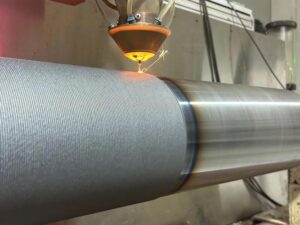

Brass is more than just a golden-hued metal—it’s a timeless alloy that has shaped human innovation for centuries. From ancient decorative artifacts to cutting-edge industrial components, brass bridges the gap between functionality and aesthetics, making it indispensable in modern manufacturing. In this guide, we’ll explore what brass is, its composition, key properties, types, uses, and why it remains a top choice across industries.
What is Brass?
Brass is a copper-zinc alloy—a blend of two metals that creates a material with properties neither copper nor zinc has alone. Unlike pure metals, brass combines copper’s corrosion resistance and conductivity with zinc’s strength and brightness, resulting in a versatile alloy used in everything from musical instruments to plumbing.
Its signature golden color (ranging from reddish to pale yellow, depending on composition) and workability have made it a favorite for both practical and decorative applications. Dating back to ancient civilizations, brass was discovered when copper was smelted with zinc-rich ores, unlocking a metal that was easier to shape than bronze and more durable than pure copper.
What is Brass Made Of?
Brass’s properties are defined by its composition, with copper and zinc as the primary elements. Small additions of other metals fine-tune its performance:
- Copper (55–95%): The base metal, providing corrosion resistance, electrical conductivity, and a rich reddish undertone. Higher copper content boosts ductility (malleability) and corrosion resistance.
- Zinc (5–45%): Adds strength, hardness, and brightness. More zinc makes brass stronger but less ductile.
- Other Elements:
- Lead: Improves machinability (ease of cutting/shaping), common in “free-cutting brass.”
- Tin: Enhances corrosion resistance, especially in saltwater (found in “naval brass”).
- Aluminum, manganese, nickel, or silicon: Modify strength, hardness, or resistance to wear/heat.
Properties of Brass
Brass’s versatility stems from its unique mix of physical and mechanical properties, which vary by composition but share core traits:
Physical Properties of Brass
- Color: Golden to reddish (depending on copper content; more copper = redder hue). Polishes to a bright shine or develops a protective patina over time.
- Density: 8.4–8.7 g/cm³ (varies with zinc content).
- Melting Point: 900–940°C (1652–1724°F) — lower than pure copper, making it easier to cast.
- Thermal Conductivity: Efficient heat transfer, ideal for heat exchangers, radiators, and cookware.
- Electrical Conductivity: Good (though less than pure copper), suitable for electrical terminals and connectors.
Mechanical Properties of Brass
- Strength: Balances strength and workability. Tensile strength ranges from 300–600 MPa, depending on alloy and processing (e.g., cold working).
- Ductility: High-copper brasses are highly malleable, allowing shaping into thin sheets, wires, or intricate designs (e.g., musical instrument valves).
- Hardness: Varies by zinc content and processing. Cold working (e.g., rolling) increases hardness without heat treatment.
- Machinability: Leaded brasses are among the easiest metals to machine, reducing production time and costs.
- Corrosion Resistance: Resists tarnishing and oxidation in dry environments. Alloys with tin (e.g., naval brass) excel in saltwater; others may be prone to “dezincification” (zinc leaching) in acidic conditions.
Types of Brass Alloys
Brass is categorized by composition, with key types tailored to specific uses:
Alpha Brass:
<37% zinc. Highly ductile, ideal for cold working (pressing, rolling, drawing into wires/sheets). Used in ammunition casings and decorative trim.
Alpha-Beta Brass:
37–45% zinc. Stronger but less ductile than alpha brass. Suitable for hot working (forging, casting) into valves, gears, and hardware.
Cartridge Brass:
70% copper, 30% zinc. Named for its use in ammunition cartridges—excellent cold workability makes it easy to form into thin, strong casings.
Naval Brass:
60% copper, 39% zinc, 1% tin. Tin boosts saltwater corrosion resistance, used in marine propellers, pumps, and ship fittings.
Free-Cutting Brass:
Contains 1–3% lead. Easy to machine, perfect for precision parts like bolts, nuts, and electrical connectors.
Red Brass:
85% copper, 15% zinc (with trace elements). Reddish hue, high corrosion resistance—used in plumbing, valves, and decorative hardware.
What is Brass Used For?
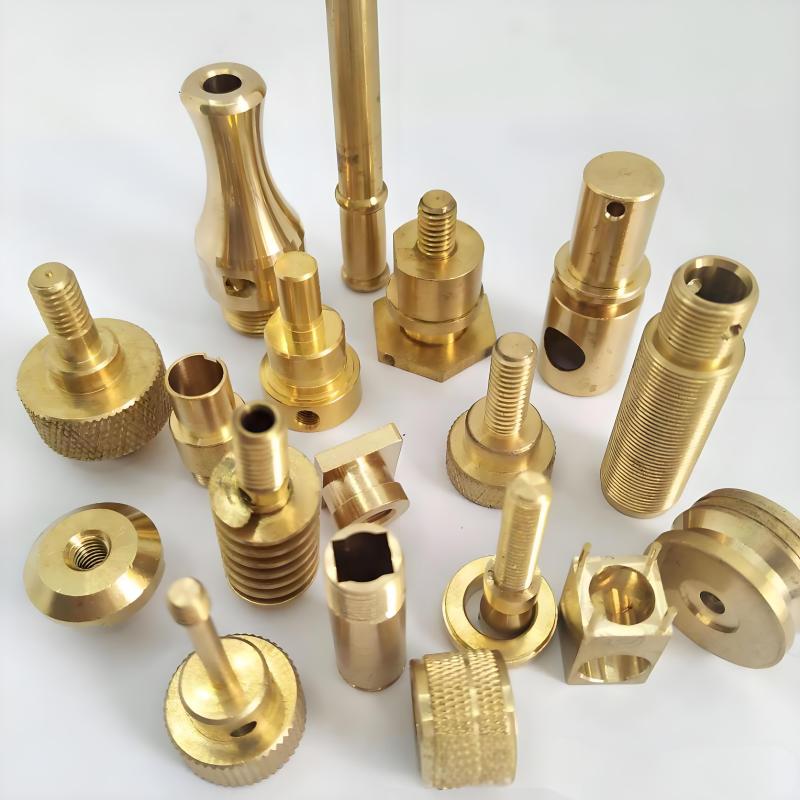
Brass’s versatility makes it a go-to material in countless industries. Its combination of aesthetic appeal, durability, and workability ensures it remains a popular choice for both functional and decorative purposes.
Industrial Applications
In the machining industry, brass is prized for its ease of machining and ability to produce precise components. It’s commonly used to create fittings, valves, gears, and bearings. Its corrosion resistance makes it ideal for plumbing systems, including pipes, faucets, and connectors. Brass is also used in electrical applications, such as connectors and terminals, due to its conductivity.
Musical Instruments
Brass’s acoustic properties make it a favorite for musical instruments like trumpets, trombones, and saxophones. The alloy’s ability to produce a warm, resonant tone, combined with its workability, allows craftsmen to create instruments with precise shapes and finishes.
Decorative and Architectural Uses
The golden hue of brass makes it a popular choice for decorative items, including jewelry, sculptures, and architectural fittings. Door handles, railings, and light fixtures often feature brass for its elegant appearance and durability. Over time, brass develops a natural patina, adding to its aesthetic charm.
Marine and Automotive Applications
Brass’s resistance to saltwater corrosion makes it ideal for marine hardware, such as propellers, fittings, and fasteners. In the automotive industry, brass is used in radiators, connectors, and decorative trim, where its strength and aesthetic appeal are valued.
Advantages and Disadvantages of Brass
Advantages of Brass
- Workability: Easy to machine, cast, weld, and shape into complex designs—reducing manufacturing costs.
- Corrosion Resistance: Performs well in dry and many wet environments (especially with tin additions).
- Aesthetic Appeal: Attractive golden color that polishes to a shine or ages gracefully with a patina.
- Acoustic Properties: Ideal for musical instruments, as it resonates sound clearly.
- Recyclability: 100% recyclable, aligning with sustainability goals in modern manufacturing.
Disadvantages of Brass
- Cost: More expensive than steel or plastic for high-volume, low-cost applications.
- Dezincification Risk: In acidic or high-chloride environments, zinc can leach out, weakening the alloy (mitigated by tin or nickel additions).
- Lower Strength Than Steel: Not suitable for ultra-high-load applications (e.g., structural beams) without reinforcement.
Brass in Modern Manufacturing
Brass remains a cornerstone of modern industry, thanks to its adaptability to new technologies. CNC machining allows brass to be shaped into precision parts with tight tolerances, while its recyclability supports eco-friendly production. From electric vehicle components to 3D-printed prototypes, brass continues to evolve with manufacturing needs.
Why Choose Precionn for Brass Machining?
At Precionn, we specialize in machining brass alloys to exact specifications, leveraging our expertise to maximize the material’s natural advantages. Whether you need precision components for plumbing, electrical, or decorative applications, our state-of-the-art facilities and skilled team deliver consistent quality.
Contact us today to learn how we can bring your brass projects to life—with the precision and reliability your industry demands.