
Fluorinated Ethylene Propylene, often referred to as FEP, stands as a game-changer in the world of high-performance materials. Celebrated for its durability, resistance to harsh chemicals, and ability to withstand extreme temperatures, FEP is a top pick for industries that demand precision and reliability. This blog takes a deep dive into what makes FEP so special, exploring its makeup, key characteristics, different forms, real-world uses, and the pros and cons of working with this remarkable fluoropolymer. Whether you’re in manufacturing or engineering, understanding FEP’s potential can open new doors for your projects.
What is Fluorinated Ethylene Propylene (FEP)?

Fluorinated Ethylene Propylene, or FEP, is a fluoropolymer crafted from a blend of tetrafluoroethylene and hexafluoropropylene. Developed decades ago by Chemours, this material combines the best traits of PTFE (think Teflon) with a unique ability to be molded and shaped using standard thermoplastic equipment. Unlike PTFE, which can be tricky to process, FEP’s melt-processable nature makes it a machinist’s dream for creating intricate parts. Its chemical makeup gives it a knack for standing up to corrosive environments, making it a go-to for industries across the globe.
FEP’s standout feature is its balance of toughness and flexibility. It shares PTFE’s slick, low-friction surface and resistance to chemicals but adds a layer of versatility that allows it to be shaped into everything from thin films to sturdy tubes. For companies aiming to tackle challenging projects, FEP offers a reliable solution that performs under pressure.
Properties of FEP
To better understand the performance of FEP, its mechanical and physical properties need to be considered.
Mechanical Properties
While FEP does not reach the same strength levels as engineering plastics like PEEK or nylon, it offers a solid balance of toughness and flexibility.
- Tensile Strength: Capable of handling stress without breaking, suitable for tubing and thin components.
- Flexibility: Retains pliability even at low temperatures, reducing brittleness.
- Low Friction: Its naturally slick surface prevents sticking and reduces wear.
- Impact Resistance: Provides good durability against sudden forces, though not as strong as PTFE.
These qualities make FEP a dependable choice for moving parts, liners, and insulation that must withstand continuous use.
Physical Properties
The physical traits of FEP set it apart from standard polymers:
- Thermal Resistance: Operates effectively up to around 200°C (392°F), performing well in heat-intensive environments.
- Chemical Resistance: Nearly inert, FEP resists acids, solvents, and bases without degrading.
- Transparency: Unlike PTFE, it can be made clear, which is beneficial for medical tubing and flow monitoring.
- Electrical Insulation: Offers excellent dielectric properties, making it ideal for wire and cable jacketing.
What Are the Types of FEP Available?
FEP comes in a variety of forms, each tailored to specific needs in machining and industrial applications. Here’s a rundown of the most common types:
- FEP Sheets: Thin and flexible, these are ideal for linings, insulation, or gaskets. Their transparency and chemical resistance make them a hit in chemical plants and electrical systems.
- FEP Films: Super-thin and lightweight, FEP films are used in solar panels, wire insulation, and even food packaging, thanks to their UV resistance and low permeability.
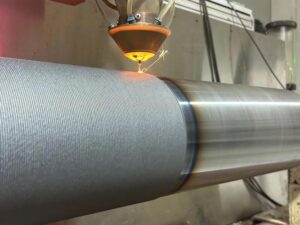
- FEP Tubing: A staple in medical and chemical industries, FEP tubing is perfect for fluid transfer, offering unmatched purity and corrosion resistance. It’s also used as heat-shrink covers for rollers.
- FEP Coatings: These provide non-stick and anti-corrosion protection for everything from industrial molds to cookware, ensuring smooth operation and easy maintenance.
- FEP Rods and Tubes: Great for machining custom parts like bearings, seals, or insulators, these offer flexibility for tailored designs.
Each form of FEP brings something unique to the table, giving manufacturers the freedom to choose the best fit for their specific needs.
Applications of Fluorinated Ethylene Propylene Material

FEP’s versatility has secured its use across many sectors:
- Electrical and Electronics: Used in wire insulation, coaxial cables, and aerospace wiring where reliability and dielectric strength are critical.
- Chemical Processing: Ideal for tubes, linings, and valves exposed to harsh acids and solvents.
- Medical Technology: Transparent tubing, catheters, and containers where biocompatibility is essential.
- Aerospace and Automotive: Protective films and insulated components that can endure fluctuating temperatures and vibration.
- Food and Beverage: Nonstick coatings for machinery, compliant with food safety regulations.
Thanks to its resilience, FEP continues to replace traditional plastics in high-risk environments where failure is not an option.
Advantages and Disadvantages of FEP in Machining
FEP brings a host of benefits to the table, but like any material, it has its trade-offs. Here’s a look at both sides:
Advantages
- Chemical Resistance: FEP stands up to aggressive chemicals, making it a top choice for harsh environments.
- Temperature Tolerance: It thrives in extreme heat or cold, ensuring reliability in tough conditions.
- Low Friction: Its slick surface reduces wear, boosting efficiency and cutting maintenance costs.
- Clarity: FEP’s transparency is perfect for applications needing visual clarity, like inspection panels.
- Ease of Processing: Unlike PTFE, FEP can be molded with standard equipment, streamlining production.
Disadvantages
- Softer Structure: FEP’s lower tensile strength makes it less ideal for high-load applications compared to rigid plastics.
- Higher Cost: Premium FEP resins can be pricey, with material costs driving up to 60% of production expenses.
- Limited Stiffness: Its flexibility, while useful, may not suit projects needing rigid support.
Despite these challenges, FEP’s strengths often make it the material of choice for applications where chemical and thermal performance are critical.
Precionn – Your Partner for Expert FEP Machining
When it comes to unlocking the full potential of Fluorinated Ethylene Propylene, Precionn is a name you can trust, specializes in crafting high-quality FEP components for international clients. From custom FEP sheets and rods to precision-machined tubing and coatings, their expertise ensures top-notch results for industries like aerospace, medical, and chemical processing. With a focus on quality and innovation, Precionn delivers tailored solutions that help businesses worldwide achieve their goals with confidence.