Will Copper Rust?
No, copper does not rust in the same way iron does. Rust, as we typically understand it, refers specifically to iron oxide formation on iron or steel. Copper, being a non-ferrous metal, doesn’t produce iron oxide and therefore doesn’t rust. Instead, copper undergoes a process called oxidation, which results in the formation of a patina.
Understanding Copper Oxidation
When copper is exposed to air, it reacts with oxygen to form copper oxide, a thin layer that darkens the metal’s surface. In the presence of moisture, carbon dioxide, or other elements like sulfur, this layer evolves into a patina, often green or blue-green in color. This patina is not only aesthetically pleasing but also functional, as it protects the copper from further degradation.
Unlike rust, which compromises iron’s structural integrity, copper’s patina enhances its durability. This makes copper an excellent choice for outdoor applications, such as sculptures, architectural elements, and even marine environments. However, certain conditions can accelerate copper’s corrosion.
Does Copper Corrosion?
Yes, copper does corrode, but it doesn’t rust like iron or steel. Corrosion in copper involves a chemical reaction with environmental elements like oxygen, moisture, or pollutants, forming a layer of copper oxide or copper carbonate, commonly known as a patina. This patina, often green or blue-green, protects the underlying copper from further degradation. The rate and extent of corrosion depend on factors like humidity, acidity, and exposure to saltwater.
Factors That Influence Copper Corrosion
Several factors determine how and when copper corrodes:
- Moisture: Water, especially when combined with oxygen, accelerates the oxidation process.
- Acidity: Acidic environments, such as acid rain or certain soils, can speed up corrosion.
- Salt: Exposure to saltwater or salty air, as in coastal regions, can increase the rate of patina formation.
- Temperature: Higher temperatures can enhance chemical reactions, leading to faster corrosion.
- Pollutants: Industrial pollutants, like sulfur dioxide, can contribute to more aggressive corrosion.
By controlling these factors, industries and individuals can manage how copper interacts with its environment.
How to Prevent Copper Corrosion?
Although copper is naturally resistant to aggressive forms of corrosion, certain measures can further enhance its longevity. Here are some effective methods to prevent or slow down copper corrosion:
1. Protective Coatings
Applying protective coatings such as lacquers, wax, or specialized sealants can help preserve copper’s appearance and slow down the formation of patina. This is especially important for decorative items where the original copper sheen is desired.
2. Environmental Control
Controlling the exposure of copper to corrosive elements like moisture, salt, and pollutants can significantly reduce corrosion. For instance, using copper indoors or in dry, controlled environments minimizes risk.
3. Use of Alloys
Alloys such as brass (copper and zinc) or bronze (copper and tin) can enhance corrosion resistance. These combinations are often used in marine environments or where mechanical strength and durability are essential.
4. Cathodic Protection
This electrochemical technique is used in industrial settings to protect copper piping and equipment. It involves using sacrificial anodes or impressed current systems to reduce corrosion rates.
5. Routine Maintenance
Regular inspection and cleaning of copper surfaces can prevent corrosive deposits from accumulating. For example, gently washing copper fixtures with a mixture of lemon juice and baking soda can remove early tarnish.
Comparing Copper to Other Metals
| Metal | Rusts/Corrodes | Protection Type | Suitable for Marine Use |
| Iron/Steel | Yes (Rusts) | Paint/Coating Required | Not Ideal |
| Aluminum | Yes | Forms Protective Oxide | Conditional |
| Copper | Yes (Patina) | Natural Patina Forms | Yes, with Alloys |
| Stainless Steel | Yes (Minor) | Chromium Oxide Layer | Good |
Uses of Copper in Industry
Electrical Industry
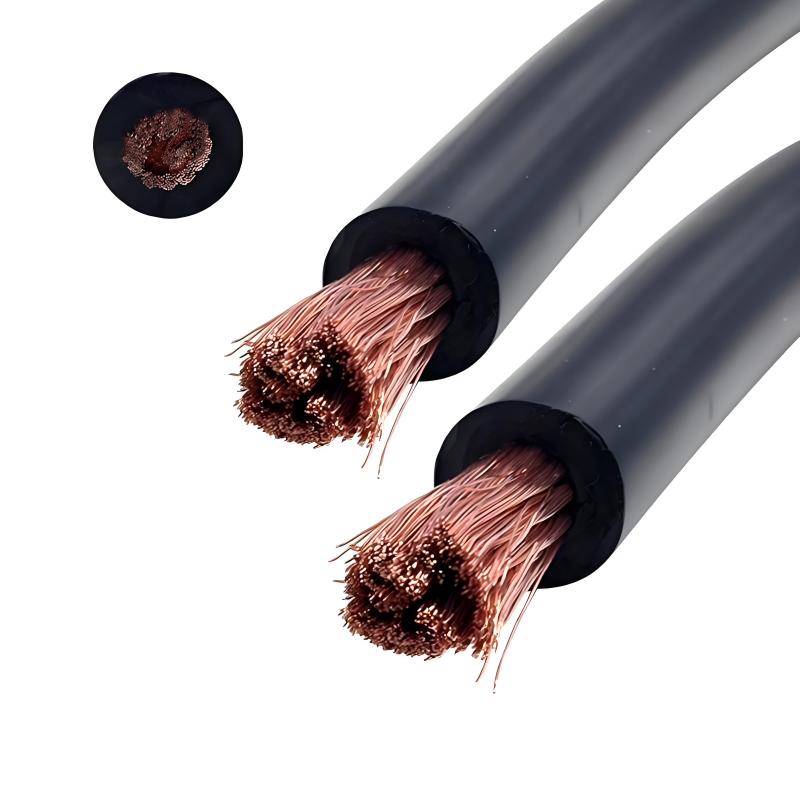
Copper is the standard for electrical wiring due to its excellent conductivity. Oxidation does not significantly impact performance when properly insulated.
Plumbing
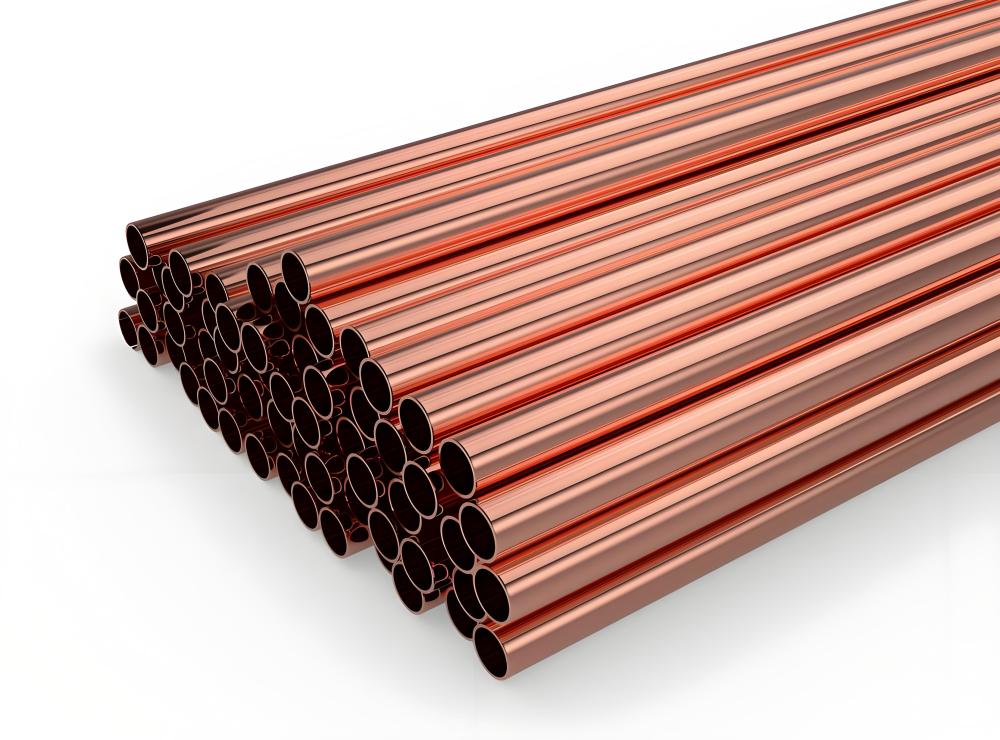
Copper piping is common in residential and commercial plumbing. Over time, patina can form internally but generally doesn’t affect water quality unless pipes are very old or deteriorated.
Machining and Manufacturing
Copper and its alloys are frequently used in precision components due to their machinability and thermal conductivity.
Aerospace and Automotive
Heat exchangers, radiators, and braking systems often utilize copper or its alloys to enhance performance and longevity.
Copper’s Enduring Appeal
Copper’s inability to rust, combined with its protective patina, makes it one of the most durable and versatile metals available. Whether used in industrial machinery, architectural designs, or everyday household items, copper’s unique corrosion properties ensure it remains functional and visually appealing for decades. By understanding the factors that influence copper corrosion and employing proper maintenance techniques, users can maximize the metal’s benefits.
For businesses seeking high-quality copper components, Precionn offers precision machining services tailored to international customers. With a commitment to excellence and advanced manufacturing capabilities, Precionn ensures that every copper part meets the highest standards of durability and performance. Visit their website to learn how their expertise can support your next project.