Cast iron has been a cornerstone of industrial progress for centuries, valued for its durability, versatility, and cost-effectiveness. From heavy machinery to intricate components, this material remains a favorite in the machining industry. Its unique characteristics make it a go-to choice for engineers and manufacturers worldwide. This blog dives into the world of cast iron, exploring its composition, properties, types, and applications, while also addressing its advantages and limitations.
What Is Cast Iron?
Cast iron is a group of iron-carbon alloys with a carbon content typically exceeding 2%. Unlike steel, which is forged or rolled, cast iron is created by melting the alloy and pouring it into molds, allowing it to solidify into complex shapes. This casting process gives cast iron its name and makes it ideal for applications requiring intricate designs or large, robust components.
The material’s history stretches back to ancient times, with early uses in tools, weapons, and cookware. Today, it’s a staple in industries like automotive, construction, and manufacturing. Its ability to withstand high temperatures and resist wear makes it a reliable choice for parts like engine blocks, pipes, and machine bases. For companies seeking precision in machining, cast iron’s versatility is unmatched.
Chemical Composition of Cast Iron
The composition of cast iron is what gives it its distinct characteristics. At its core, cast iron contains iron mixed with carbon, typically ranging from 2% to 4%. This high carbon content differentiates it from steel, which usually has less than 2% carbon. Other elements, such as silicon, manganese, sulfur, and phosphorus, are also present in varying amounts, influencing the material’s properties.
Key Elements in Cast Iron
- Carbon: Provides hardness but can make the material brittle if not balanced.
- Silicon (1-3%): Enhances fluidity during casting and affects the formation of graphite, which impacts strength.
- Manganese (0.5-1%): Improves strength and toughness.
- Sulfur and Phosphorus: Present in small amounts, these can affect brittleness and machinability.
The exact composition varies depending on the type of cast iron, which we’ll explore later. Manufacturers fine-tune these elements to achieve desired properties, such as improved wear resistance or better machinability, tailored to specific applications.
Properties of Cast Iron
Cast iron’s appeal lies in its unique combination of physical and mechanical properties, making it suitable for a wide range of industrial uses. These properties stem from its microstructure, which is influenced by the cooling rate during casting and the alloying elements present.
Physical Properties
The physical properties of cast iron make it stand out in machining applications:
- Density: Cast iron is dense, typically weighing around 7.2-7.8 g/cm³, contributing to its sturdiness.
- Thermal Conductivity: It conducts heat well, making it ideal for applications like engine blocks or cookware that require heat dissipation.
- Melting Point: With a melting point around 1,150-1,200°C, cast iron can withstand high temperatures without deforming.
- Corrosion Resistance: While not as corrosion-resistant as stainless steel, certain types of cast iron, like ductile iron, perform well in harsh environments when properly treated.
These properties make cast iron a reliable choice for components that need to endure heavy loads or extreme conditions.
Mechanical Properties
Mechanically, cast iron is known for its strength and durability, though it has some limitations:
- Compressive Strength: Cast iron excels under compression, making it ideal for structural components like columns or machine bases.
- Tensile Strength: Its tensile strength is lower than steel, meaning it’s less resistant to pulling forces.
- Hardness: Depending on the type, cast iron can be very hard, which enhances wear resistance but may complicate machining.
- Brittleness: Unlike steel, cast iron can be brittle, especially in its gray iron form, leading to cracking under sudden stress.
These mechanical traits make cast iron suitable for applications where compressive strength and wear resistance are critical, but flexibility is less important.
Common Types of Cast Iron
Cast iron comes in several grades, each with unique characteristics suited to specific applications. Understanding these types helps manufacturers choose the right material for their needs.
Gray Cast Iron
Gray cast iron is the most common type, characterized by its graphite flakes, which give it a gray appearance when fractured. It’s known for:
- Excellent machinability due to its graphite content.
- Good vibration damping, making it ideal for machine bases and engine blocks.
- Lower cost compared to other types.
Applications include automotive parts, pipes, and cookware. Its brittleness, however, limits its use in high-tensile applications.
Ductile Cast Iron
Also known as nodular or spheroidal graphite iron, ductile cast iron contains spherical graphite nodules, improving its strength and flexibility. Key features include:
- Higher tensile strength than gray cast iron.
- Better resistance to impact and fatigue.
- Suitable for complex shapes like crankshafts and gears.
This type is widely used in automotive and heavy machinery industries where durability is essential.
White Cast Iron
White cast iron has a white, crystalline fracture surface due to its high carbide content. It’s extremely hard but brittle, making it suitable for:
- Wear-resistant surfaces, like rollers or grinding equipment.
- Applications requiring abrasion resistance.
Its brittleness limits its use in structural components, but it’s valuable in specialized machining tasks.
Malleable Cast Iron
Malleable cast iron is created by heat-treating white cast iron, resulting in a more ductile and less brittle material. It’s used for:
- Small, intricate parts like fittings and brackets.
- Applications requiring moderate strength and flexibility.
While less common today due to the rise of ductile iron, it remains relevant in specific niches.
Compacted Graphite Iron (CGI)
A hybrid between gray and ductile iron, CGI offers a balance of strength, thermal conductivity, and machinability. It’s used in high-performance applications like diesel engine blocks due to its:
- High strength-to-weight ratio.
- Excellent thermal fatigue resistance.
Each grade of cast iron serves distinct purposes, allowing manufacturers to select the best fit for their machining needs.
What Is Cast Iron Used For?

Cast iron’s versatility makes it a staple in numerous industries. Its ability to be cast into complex shapes, combined with its durability, ensures its continued relevance in modern manufacturing. Below are some of the most common applications:
Automotive Industry
Cast iron is widely used in the automotive sector for components like engine blocks, cylinder heads, and brake drums. Its compressive strength and heat dissipation properties make it ideal for parts subjected to high temperatures and mechanical stress.
Construction and Infrastructure
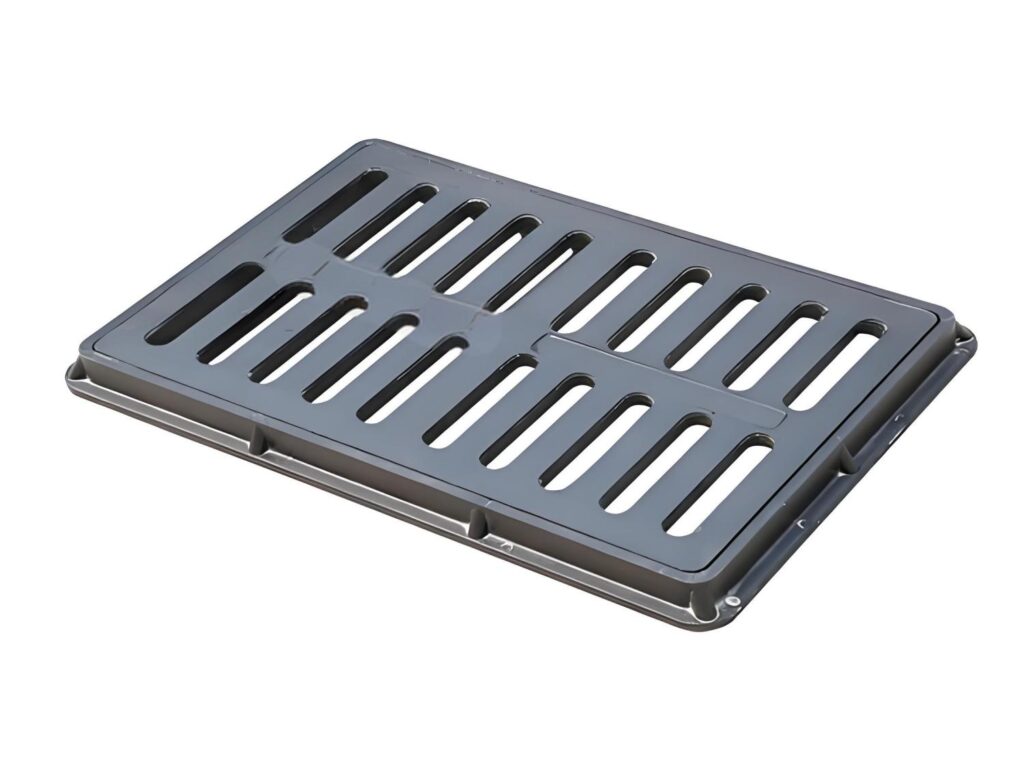
In construction, cast iron is used for structural components like columns, manhole covers, and drainage pipes. Its ability to withstand heavy loads and resist corrosion in certain environments makes it a reliable choice for infrastructure projects.
Cookware
Cast iron cookware, such as skillets and Dutch ovens, is prized for its excellent heat retention and even heat distribution. Properly seasoned cast iron develops a natural non-stick surface, making it a favorite among chefs and home cooks.
Machinery and Tools
Cast iron’s wear resistance and machinability make it ideal for machine bases, tool bodies, and industrial equipment. Its vibration-damping properties help reduce noise and wear in heavy machinery.
Piping and Fittings
Cast iron pipes and fittings are commonly used in plumbing and drainage systems due to their durability and corrosion resistance. They are particularly popular in municipal water and sewage systems.
The wide range of applications highlights cast iron’s adaptability, from heavy-duty industrial components to everyday household items.
Advantages and Disadvantages of Cast Iron
Like any material, cast iron has its strengths and weaknesses. Understanding these helps manufacturers make informed decisions when selecting materials for machining projects.
Advantages of Cast Iron
- Cost-Effective: Cast iron is relatively inexpensive compared to materials like steel or titanium, making it ideal for large-scale production.
- Versatility: Its ability to be cast into complex shapes allows for intricate designs without extensive machining.
- Durability: Cast iron’s wear resistance and compressive strength make it suitable for long-lasting components.
- Thermal Conductivity: Its ability to dissipate heat makes it ideal for applications like engine blocks or industrial machinery.
- Vibration Damping: Especially in gray cast iron, this property reduces noise and vibration in machinery.
Disadvantages of Cast Iron
- Brittleness: Certain types, like gray and white cast iron, are prone to cracking under tensile stress or impact.
- Weight: Cast iron is heavy, which can be a drawback in applications where weight is a concern.
- Corrosion: Without proper treatment, cast iron can rust in moist or corrosive environments.
- Machining Challenges: While gray cast iron is machinable, harder types like white cast iron require specialized tools and techniques.
Balancing these pros and cons is key to determining whether cast iron is the right material for a specific project. For many machining applications, its benefits outweigh its limitations, especially when cost and durability are priorities.
Precionn’s Expertise in Machining Cast Iron
Precionn specializes in cast iron machining services for international customers, delivering precision components for industries ranging from automotive to heavy equipment manufacturing. With advanced CNC technology, strict quality control, and a skilled production team, Precionn ensures every machining cast iron project meets exact specifications.
Whether it’s a single prototype or a full production run, Precionn’s expertise in cast iron and other CNC machining materials allows them to produce components that perform reliably in the most demanding applications. Global clients trust Precionn not just for parts, but for solutions that keep their operations running smoothly.