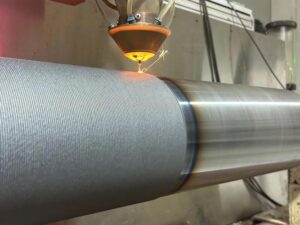

Tungsten is renowned in the machining and manufacturing world for its exceptional heat resistance. Its melting point is an astounding 3,422°C (6,192°F), the highest among all metals on the periodic table. This extraordinary property allows tungsten to remain solid under temperatures that would liquefy most other materials.
The secret lies in tungsten’s atomic structure. Its atoms form a dense, body-centered cubic lattice, creating bonds that require immense energy to break. For engineers and manufacturers, this high melting point is critical, enabling tungsten to perform in extreme conditions—from rocket engines to high-temperature industrial furnaces.
Melting Point of Common Tungsten Alloys
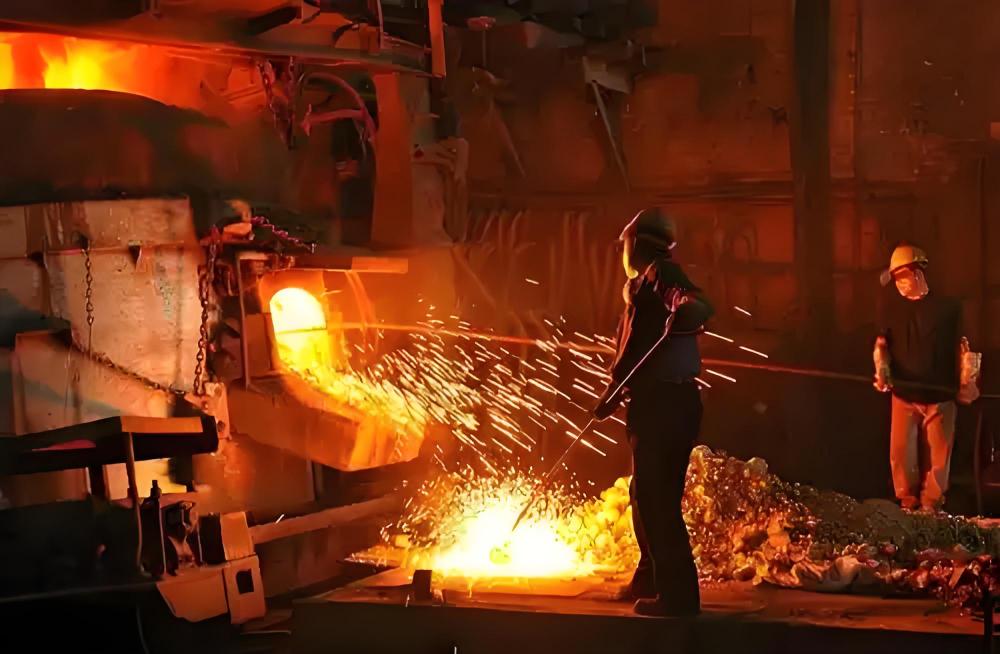
While pure tungsten boasts the highest melting point, alloying it with other metals allows engineers to fine-tune its properties for specific applications. Alloying slightly lowers the melting point but improves other characteristics, such as machinability or ductility.
- Tungsten-Copper Alloys: Typically melt between 3,000°C and 3,400°C. Copper improves electrical conductivity while retaining thermal stability, making these alloys ideal for heat sinks and electrical contacts.
- Tungsten-Nickel-Iron Alloys: Melting ranges around 3,200°C to 3,400°C. These alloys balance strength, density, and workability, widely used in aerospace components and radiation shielding.
- Tungsten-Rhenium Alloys: Around 3,300°C melting point. Rhenium enhances ductility, enabling use in thermocouple wires and other extreme-environment applications.
By selecting the right tungsten alloy, manufacturers can create components tailored for precise thermal and mechanical requirements.
Why Tungsten is the Hardest Metal to Melt
Tungsten’s resistance to melting comes from its atomic and physical properties. Its body-centered cubic crystal structure forms strong metallic bonds that require substantial energy to break. Additionally, tungsten has a high density of 19.25 g/cm³—nearly double that of steel—and a low thermal expansion coefficient. These factors allow it to maintain structural integrity even under extreme heat.
This combination makes tungsten indispensable in applications that demand both strength and heat resistance, such as jet engine components, high-temperature furnaces, and industrial crucibles.
Factors Affecting Tungsten’s Melting Temperature
Several variables can influence how tungsten behaves under heat:
Material Purity
High-purity tungsten reaches the full melting point of 3,422°C. Impurities, even in trace amounts, can slightly weaken atomic bonds and reduce heat resistance. For semiconductor manufacturing or aerospace parts, purity is critical.
Environmental Conditions
Tungsten oxidizes in air at around 1,400°C. To preserve its thermal properties, tungsten components are often processed or used in vacuum or inert gas environments.
Alloy Composition
The addition of metals such as copper, nickel, or rhenium alters tungsten’s lattice and melting behavior. Engineers carefully select alloys to balance heat resistance, ductility, and conductivity.
Manufacturing Methods
Processing techniques—including sintering, forging, and additive manufacturing—affect tungsten’s uniformity and performance. Well-processed tungsten components can withstand high temperatures without cracking or deformation.
Real-World Applications of Tungsten’s High Melting Point
Tungsten’s remarkable heat resistance makes it vital in industries where extreme temperatures are routine.
Aerospace and Defense
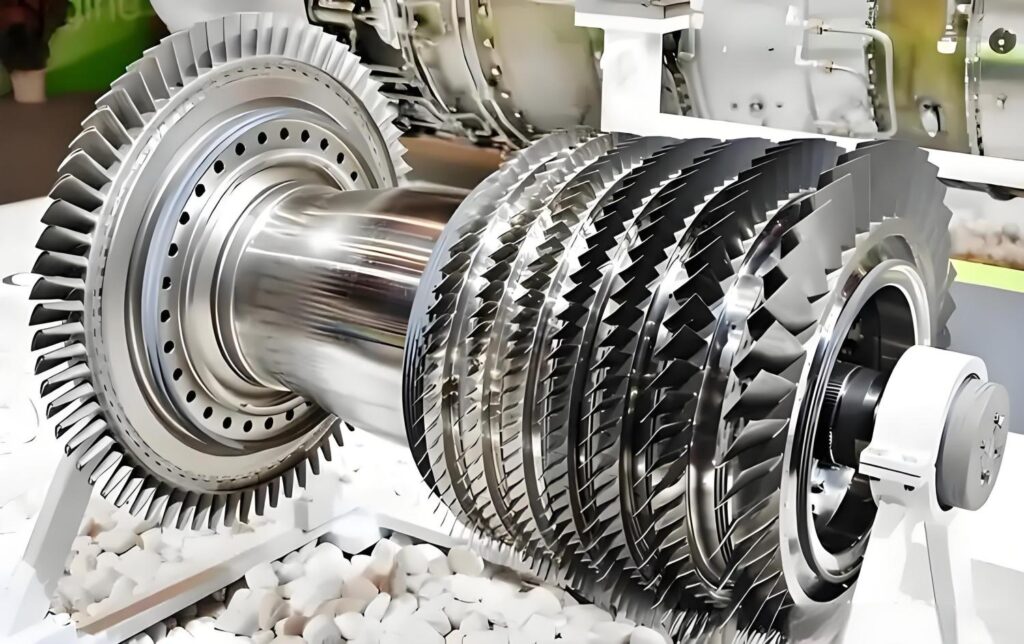
Tungsten is used in rocket nozzles, turbine blades, and aerospace components that endure intense heat during high-speed flight or atmospheric re-entry. Its stability ensures reliability under extreme stress.
Electronics Manufacturing
In semiconductor fabrication, tungsten is used for high-temperature processes like chemical vapor deposition. Its ability to remain solid ensures precise manufacturing of microchips and other electronic components.
Specialty Lighting
Tungsten filaments are essential in halogen lamps and specialty lighting, where high temperatures are required for optimal illumination without melting.
Medical Technology
Tungsten is used in X-ray tubes and radiation shielding, providing reliable performance during high-energy procedures while protecting patients and equipment.
Industrial Applications
In metalworking and manufacturing, tungsten is used in high-temperature furnaces, crucibles, and heating elements. Its stability allows other metals to be melted or processed safely.
Precision Machining with Tungsten
Handling tungsten requires specialized knowledge and precision. Precionn specializes in machining challenging materials like tungsten, delivering high-quality components for aerospace, electronics, medical, and industrial applications.
By leveraging advanced CNC machinery, heat-resistant tooling, and expert material knowledge, Precionn ensures every tungsten component meets strict standards for durability, accuracy, and performance. Companies worldwide rely on Precionn for custom solutions in high-temperature environments.
Conclusion
The tungsten melting point of 3,422°C sets this metal apart as the ultimate heat-resistant material. Its atomic structure, density, and low thermal expansion make it ideal for aerospace, electronics, medical, and industrial applications. Alloying, purity, environmental conditions, and processing methods all influence tungsten’s real-world performance, allowing engineers to optimize its properties for demanding tasks.
For precision machining of tungsten and other extreme-performance materials, Precionn delivers unmatched expertise, ensuring components meet the highest engineering standards for reliability and longevity.