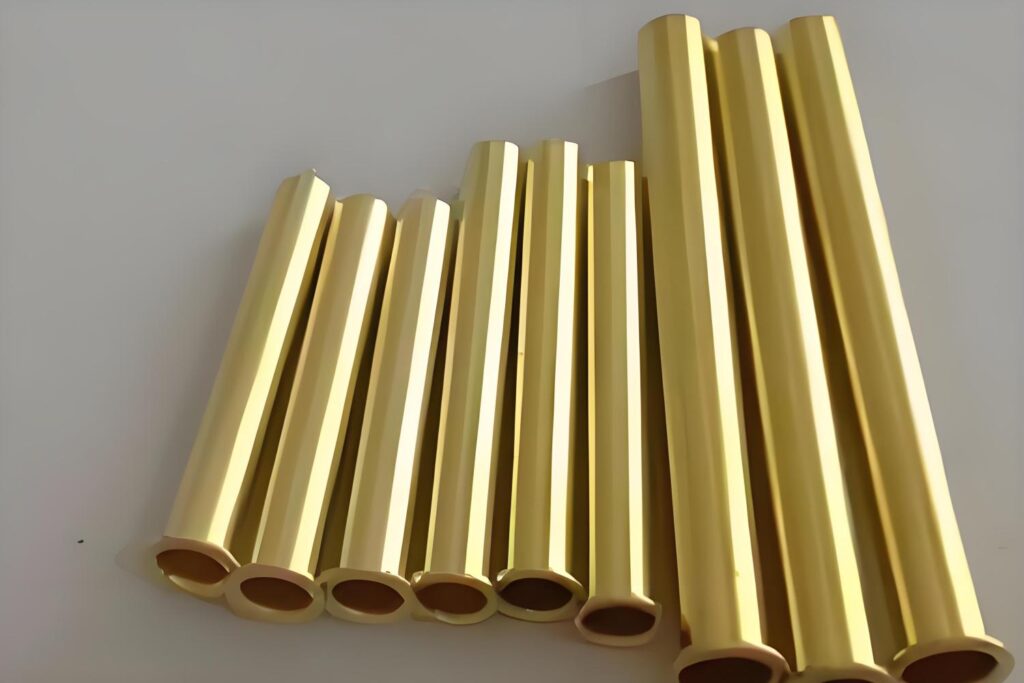
Brass is one of the most versatile alloys used in engineering, manufacturing, and decorative applications. Its durability, corrosion resistance, and machinability make it a popular choice across industries.
A common question among engineers, machinists, and material specialists is: Is brass magnetic? The answer is straightforward: brass is generally non-magnetic. Its primary components, copper and zinc, do not respond to magnetic fields. However, trace metals or specific fabrication processes can occasionally produce minor magnetic effects, which are usually negligible in practical applications.
Understanding why brass behaves this way helps manufacturers select the right material for precision components, electrical devices, and marine applications.
What Is Brass?
Brass is an alloy mainly composed of copper (Cu) and zinc (Zn). The proportion of these metals determines the alloy’s properties. Additional elements, like lead, tin, or aluminum, are sometimes added to improve machinability, strength, or corrosion resistance.
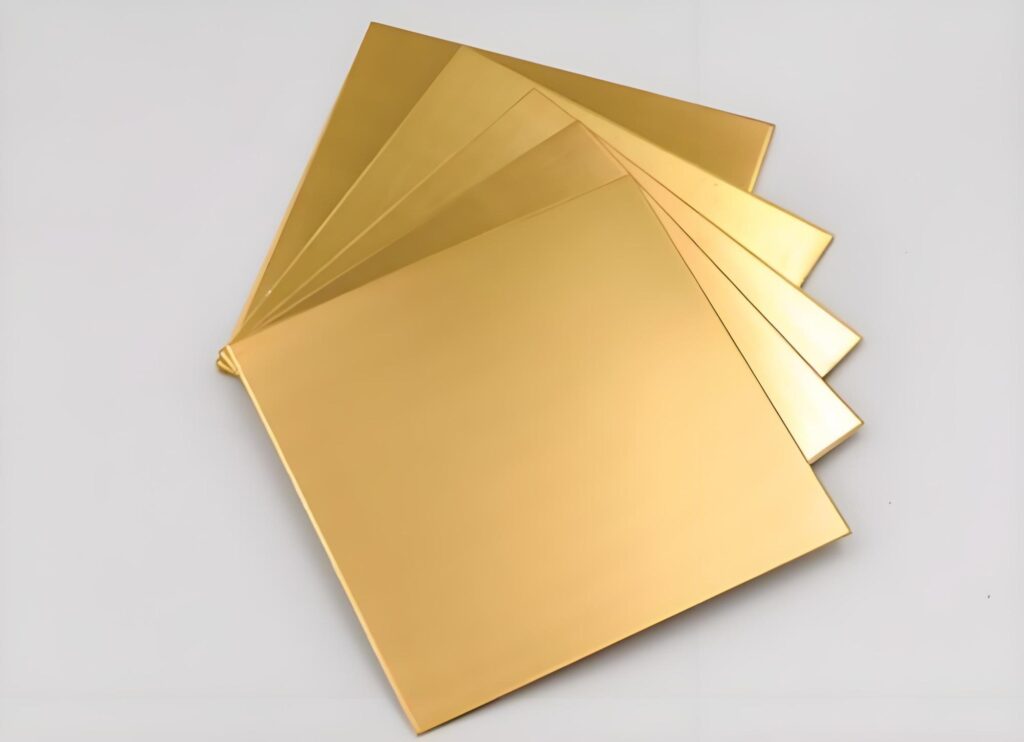
Common grades of brass include:
- Cartridge brass (70/30 copper-zinc ratio): Used in ammunition casings and precision engineering.
- Naval brass: Offers high corrosion resistance for marine environments.
- Free-cutting brass: Contains lead for easier machining, ideal for fasteners and fittings.
This diversity makes brass a reliable and cost-effective choice for both industrial and decorative projects.
Is Brass Magnetic?
In general, brass is not magnetic. Both copper and zinc are non-ferromagnetic, meaning their atomic structure does not allow the alignment of magnetic domains. A magnet will not attract standard brass components.
This property is particularly valuable in applications where magnetic interference must be avoided, such as electronic components, marine instruments, and sensitive measuring devices.
Why Brass Is Non-Magnetic
Atomic Structure and Magnetism
Magnetic behavior depends on the alignment of unpaired electrons in a metal’s atomic structure. Metals like iron, cobalt, and nickel have unpaired electrons that can align to form magnetic domains. Brass, made from copper and zinc, lacks this property, so it remains non-magnetic.
Role of Alloying Elements
Although brass is inherently non-magnetic, small amounts of ferromagnetic elements, such as iron or manganese, may occasionally be present due to manufacturing impurities. These can sometimes result in slight magnetic attraction, but the effect is minimal and generally irrelevant for most applications.
When Brass Can Become Slightly Magnetic
While standard brass does not attract magnets, certain circumstances can create a weak magnetic response:
- Mechanical deformation: Processes like cold working, rolling, or bending may slightly alter the crystal structure, producing minor magnetism.
- Contamination: During machining or recycling, contact with ferromagnetic metals can introduce trace magnetic properties.
Even under these conditions, brass remains effectively non-magnetic for practical engineering and manufacturing purposes.
Testing the Magnetism of Brass
Testing whether a brass component is magnetic is simple:
- Bring a standard magnet close to the metal.
- Observe any movement — true brass should show no attraction.
- For confirmation, spark testing or chemical analysis can identify the exact alloy composition.
This method is widely used in manufacturing, quality control, and recycling facilities to distinguish non-magnetic metals from ferrous materials.
Applications of Non-Magnetic Brass
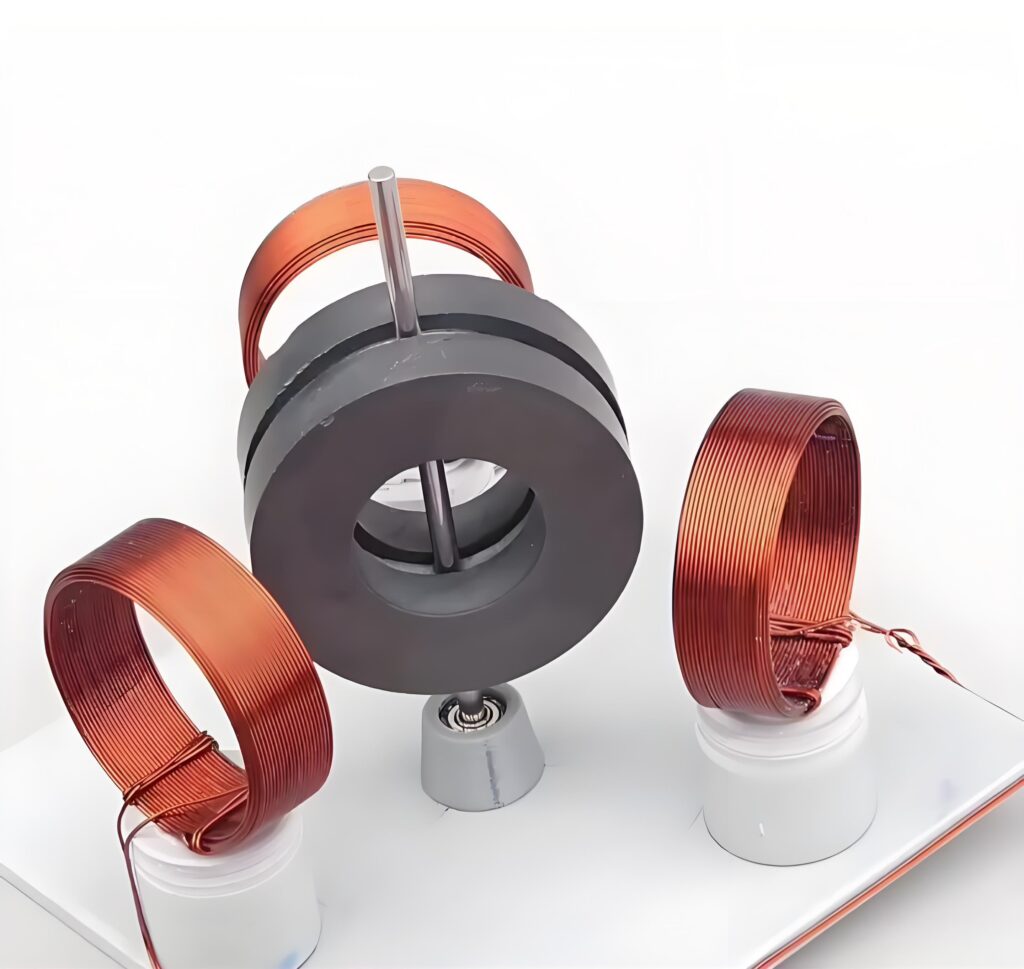
Because brass is non-magnetic, it is widely used in industries where magnetic interference or sparking could be an issue. Typical applications include:
- Electrical and electronic components: Terminals, connectors, and switches benefit from non-magnetic metals for reliable conductivity.
- Marine hardware: Brass resists corrosion in saltwater and does not affect compass readings.
- Precision instruments: Non-magnetic materials prevent interference in sensitive measuring devices.
- Architectural and decorative hardware: Handles, fittings, and fixtures retain strength and aesthetic appeal without attracting magnets.
Magnetic vs. Non-Magnetic Metals: Quick Comparison
| Metal / Alloy | Magnetic? | Typical Applications |
|---|---|---|
| Iron | Yes | Structural, machinery, tools |
| Steel | Usually yes | Industrial, automotive, construction |
| Stainless Steel (304) | Slightly | Food processing, medical instruments |
| Brass | No | Connectors, valves, instruments |
| Copper | No | Electrical wiring, tubing |
| Aluminum | No | Aerospace, automotive components |
This table helps engineers and designers quickly identify suitable non-magnetic metals for specific applications.
How Precionn Works with Brass
At Precionn, we specialize in precision machining of non-ferrous metals, including brass. Our team ensures components meet strict specifications for mechanical performance, dimensional accuracy, and surface quality.
Key services include:
- CNC machining and custom components
- Material selection consulting for non-magnetic applications
- Surface finishing and quality inspection
By working with Precionn, engineers and manufacturers can be confident that our brass components perform reliably in critical applications, from electronics to marine hardware.
Conclusion
Brass is not magnetic due to its copper-zinc composition and atomic structure. Minor magnetic effects can occur from impurities or mechanical work, but they are negligible in most practical uses.
Understanding the magnetic behavior of brass is essential for material selection in precision engineering, electrical components, and marine or decorative applications. For expert machining, fabrication, and material consulting, Precionn provides reliable solutions tailored to your project’s requirements.