In today’s highly competitive industrial environment, ensuring the longevity, resistance, and performance of materials is crucial. This is especially true in industries that require precise machining, high durability, and enhanced material characteristics. One method that has gained significant attention in recent years is micro-arc oxidation (MAO). This surface treatment process, also known as plasma electrolytic oxidation (PEO), provides materials, particularly metals, with exceptional durability and resistance to wear, corrosion, and heat.
In this article, we will explore the concept of micro-arc oxidation, its principle, advantages, and the various industries where it is applied. Whether you are in the machining industry or looking for ways to enhance material properties for your products, understanding MAO can provide valuable insights into improving the performance of your components.
What is Micro-Arc Oxidation?
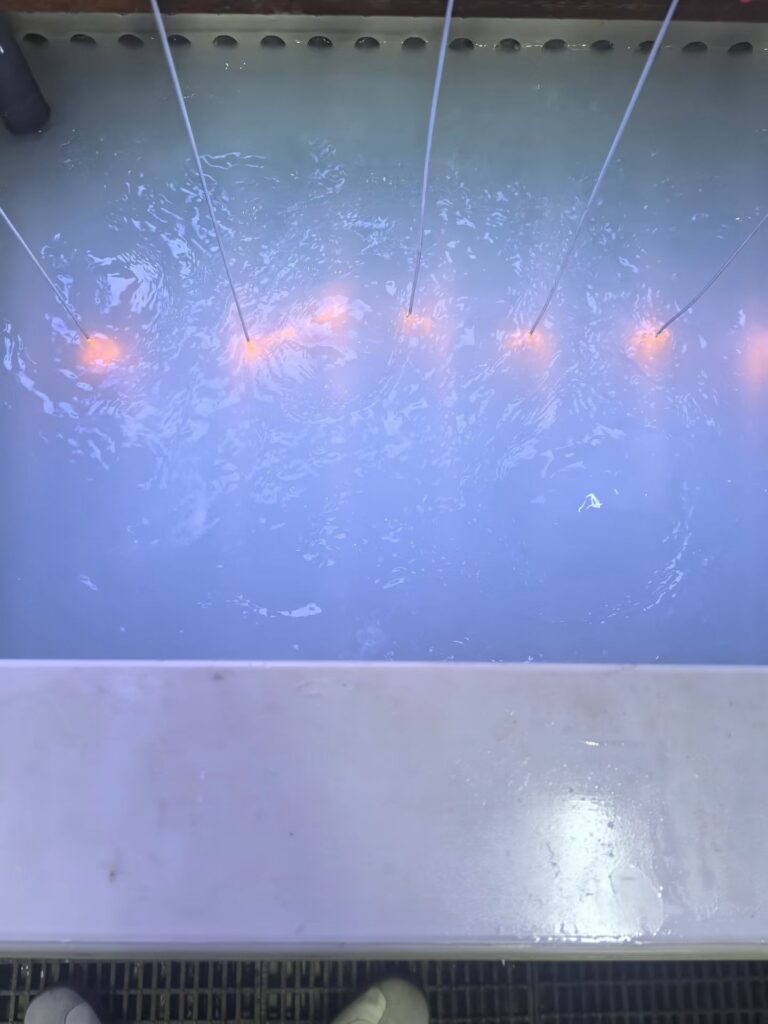
Micro-arc oxidation (MAO) is an advanced surface treatment technology that creates a high-performance oxide layer on metals, primarily aluminum, titanium, and magnesium alloys, by using an electrochemical process. This method involves subjecting the metal to high-voltage electric fields in an electrolyte solution. The electric field creates a plasma discharge, which forms a ceramic-like oxide layer on the surface of the metal.
Unlike conventional anodizing, which produces a relatively thin oxide layer, micro-arc oxidation creates a thicker, more robust coating that is much more resistant to wear and corrosion. The result is a surface layer with enhanced mechanical properties, including higher hardness, wear resistance, and thermal stability.
What is the Principle of Micro-Arc Oxidation?
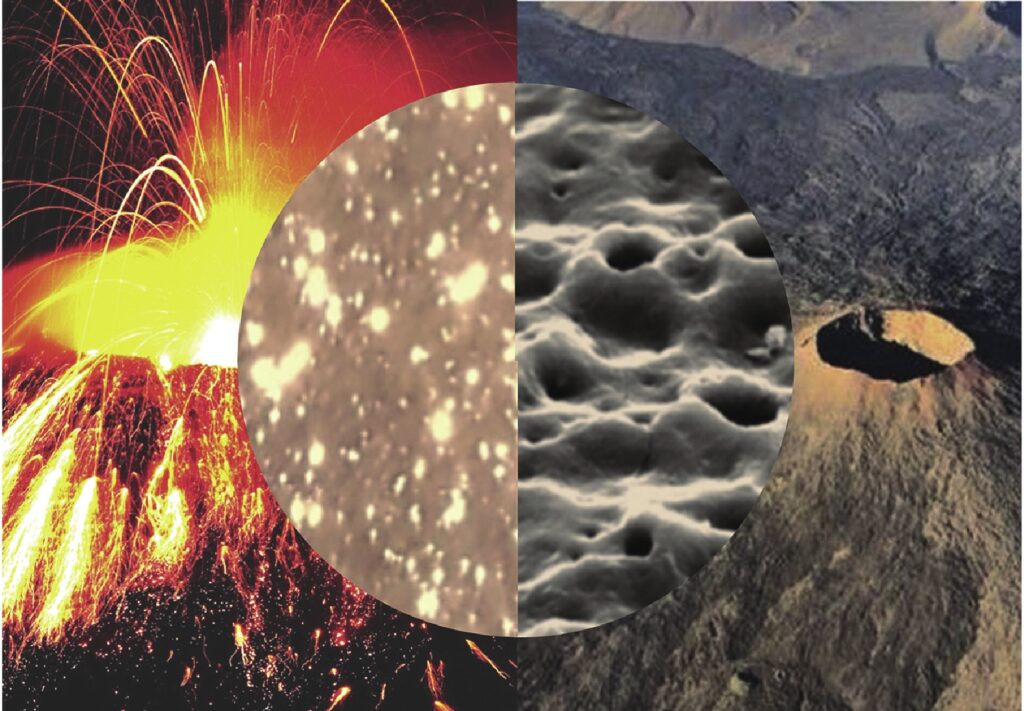
Micro-arc oxidation operates on the principle of electrolytic oxidation under high-voltage conditions. When a metal part, such as aluminum, is submerged in an electrolyte solution (typically alkaline), and a high voltage is applied to it, a micro-arc discharge is generated. These micro-arcs break down the surface of the metal and convert it into an oxide layer. The formation of this oxide layer is highly controlled by the electrical field, electrolyte composition, and process parameters.
During the MAO process, the metal surface undergoes a series of chemical and physical changes. The rapid formation of the oxide layer is driven by the intense heat and electric fields, which cause the metal ions to react with the electrolyte, producing an insulating oxide layer that bonds strongly to the substrate. This oxide layer is much thicker than that created by conventional anodizing, making it ideal for applications that demand high wear resistance and durability.
Micro-Arc Oxidation is Mainly Suitable for Which Materials?
Micro-arc oxidation is particularly effective for materials that require an enhanced surface layer to improve their mechanical properties. The most common materials treated using MAO include:
Aluminum Alloys: Aluminum is one of the most widely used materials in industries like aerospace, automotive, and electronics. Micro-arc oxidation provides aluminum with increased hardness, wear resistance, and corrosion resistance, which is crucial for components exposed to harsh environments.
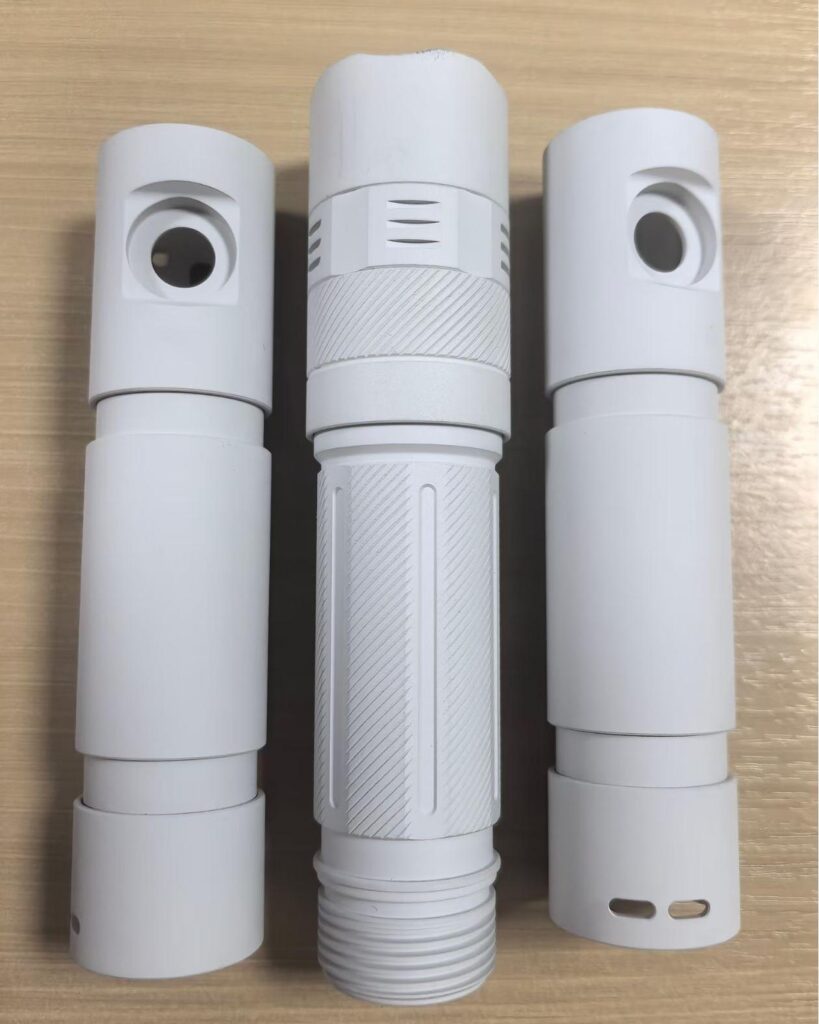
Titanium Alloys: Titanium is known for its excellent strength-to-weight ratio and resistance to corrosion. MAO treatment enhances these properties, making it ideal for applications in aerospace, medical implants, and marine industries.
Magnesium Alloys: Magnesium is one of the lightest metals, making it desirable for lightweight components. Micro-arc oxidation improves the corrosion resistance and mechanical properties of magnesium alloys, which are otherwise susceptible to corrosion in certain environments.
Zinc Alloys: Zinc alloys can also be treated with MAO to improve their corrosion resistance and surface hardness, making them suitable for various engineering applications.
While MAO is most commonly used for these materials, research is ongoing into its application to other metals and alloys to expand its range of uses.
Properties of Coatings from Micro-Arc Oxidation
The coatings formed by micro-arc oxidation exhibit a range of superior properties that make them highly valuable for various industrial applications:
High Hardness: One of the most notable properties of MAO coatings is their high hardness, which significantly enhances wear resistance. This makes treated components suitable for high-load applications such as gears, bearings, and aerospace parts.
Wear and Abrasion Resistance: The oxide layer formed by MAO is dense and adherent, offering excellent protection against abrasion and wear, which increases the longevity of parts.
Corrosion Resistance: The ceramic-like oxide layer provides an effective barrier against corrosion, making MAO-treated parts highly resistant to environmental factors such as moisture, chemicals, and saltwater.
Heat Resistance: The oxide coatings formed during MAO treatment have good thermal stability, which allows components to perform well under high temperatures without significant degradation.
Aesthetic Appeal: The oxide coatings produced by MAO have a unique, aesthetically pleasing appearance, often exhibiting a range of colors depending on the electrolyte composition. This can be an additional benefit in applications where both functional and aesthetic properties are important.
Advantages of Micro-Arc Oxidation
Micro-arc oxidation offers numerous advantages that set it apart from other surface treatment processes. Some of the key benefits include:
1. Thicker and Stronger Coatings
Unlike traditional anodizing methods, micro-arc oxidation produces thicker oxide coatings, which provides superior durability and strength. This makes it ideal for high-performance applications where resistance to wear, corrosion, and heat is essential.
2. Improved Surface Properties
The resulting oxide layer is much harder than conventional anodized layers, providing excellent abrasion resistance. The coating also improves the overall mechanical properties of the treated material, contributing to better performance in challenging environments.
3. Environmentally Friendly Process
Micro-arc oxidation is an environmentally friendly process as it does not involve the use of toxic chemicals commonly associated with other surface treatment methods. This makes it an attractive option for industries looking to reduce their environmental footprint.
4. Cost-Effective Solution
Although the initial investment in equipment may be higher, the benefits of MAO, such as increased durability and performance, can result in long-term cost savings by reducing the frequency of part replacements and maintenance.
5. Wide Range of Applications
Micro-arc oxidation is versatile and can be applied to a variety of metals, including aluminum, titanium, magnesium, and others. It also offers the flexibility to tailor the surface properties to meet specific requirements for different industries.
What Are the Problems in the Micro-Arc Oxidation Production Process?
Despite its many advantages, micro-arc oxidation does come with its own set of challenges. Understanding and addressing these issues is essential for optimizing the MAO process and achieving the desired coating properties. Some of the main problems encountered during MAO include:
Cracking of the Coating: One of the common challenges in micro-arc oxidation is the formation of cracks in the oxide layer. This can happen if the process parameters are not carefully controlled, leading to non-uniform coatings or reduced durability.
Cost and Equipment Investment: While MAO offers many benefits, the equipment required for the process can be expensive. For smaller companies or those with limited budgets, this can be a barrier to adoption.
Process Control: Achieving a uniform and defect-free coating requires precise control over factors such as voltage, electrolyte composition, and temperature. Small variations can result in coatings with inconsistent properties.
Limited Thickness: While the oxide layer created by MAO is thicker than that produced by anodizing, there are still limitations to the thickness of the coating, especially when working with high-voltage processes.
Material Compatibility: Not all metals are equally suitable for micro-arc oxidation, and some materials may not form a strong or durable oxide layer under certain conditions.
Application Industries of Micro-Arc Oxidation
Micro-arc oxidation has found widespread application across a variety of industries due to its ability to enhance material properties. Some of the primary industries that benefit from MAO include:
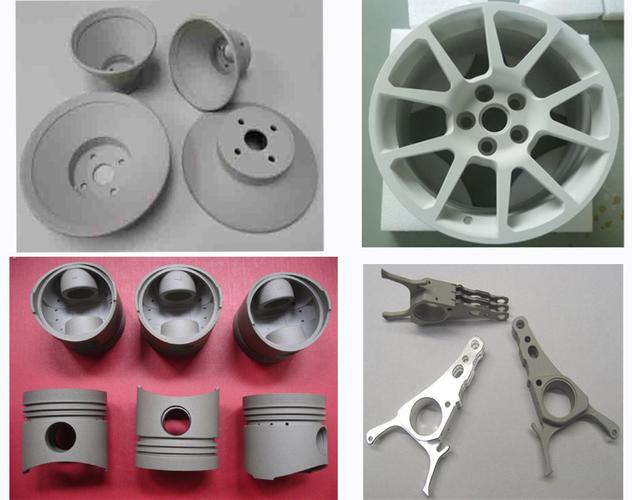
Aerospace:
This is one of the core application areas of micro-arc oxidation technology. Lightweight metal components in aerospace equipment have extremely high requirements for strength, corrosion resistance, and wear resistance. Micro-arc oxidation can improve component performance without significantly increasing weight.
Applications include: corrosion and wear-resistant treatment of aluminum alloy fuselage frames, wing connectors, and landing gear components; high-temperature protection and anti-oxidation treatment of titanium alloy engine blades and combustion chamber components; and surface strengthening of lightweight structural components and antenna supports on spacecraft to cope with the corrosion and radiation effects of the extreme space environment.
Automotive: In the automotive industry, aluminum alloy components are primarily used to address corrosion and wear issues, while simultaneously reducing overall vehicle weight and achieving energy conservation and emission reduction.
Engine systems: Pistons, cylinder heads, cylinder liners, crankcases, and other components are used to improve wear resistance and high-temperature corrosion resistance.
Chassis and body: Aluminum alloy wheels, suspension system components, and body frame parts are used to enhance resistance to salt spray corrosion and impact wear.
New energy vehicles: Aluminum alloy components such as battery casings and motor casings provide both corrosion protection and insulation, ensuring the safe and stable operation of batteries and motors.
Marine: Marine equipment, which is exposed to saltwater and harsh conditions, requires materials with high corrosion resistance. MAO provides this, making it ideal for marine applications such as boat hulls and propellers.
Medical: In the field of medical devices, titanium alloys are commonly used materials for medical implants. The biocompatibility and bone integration capabilities of the micro-arc oxide coating are its core advantages.
Implantable devices: Titanium alloy artificial joints (hip joints, knee joints), dental implant abutments, bone screws, bone plates, etc. The coating promotes bone cell adhesion and growth, reducing the risk of implant loosening and rejection.
Medical instrument components: Surgical instrument forceps, scissor tips, etc., improving wear resistance and corrosion resistance, extending service life.
Electronics: In the electronics industry, MAO is used to improve the surface properties of components like heat sinks, casings, and connectors.
Other Fields:
Mold Manufacturing: Aluminum alloy mold surface treatment, replacing traditional chrome plating, improving mold wear resistance and release properties, while being environmentally friendly and pollution-free;
Bicycles and Sports Equipment: Aluminum alloy frames, mountain bike cranks, ski bindings, and other components, enhancing weather resistance and wear resistance;
Military Industry: Lightweight components for weaponry (such as firearm parts, aluminum alloy shells for armored vehicles), improving durability in battlefield environments.
The Difference Between Micro-Arc Oxidation and Anodizing
While both micro-arc oxidation and anodizing are electrochemical processes that create oxide layers on metal surfaces, they differ significantly in terms of the coating’s properties and the methods used:
| characteristic | Micro-arc oxidation | Anodizing |
| Voltage range | High voltage (tens to hundreds of volts) | Low (several to tens of volts) |
| Reaction phenomenon | Micro-arc discharge | No discharge phenomenon |
| Membrane structure | Dense ceramic layer | Porous oxide film |
| Film hardness | High (1000–2000 HV) | Lower (100–500 HV) |
Coating Thickness: MAO produces much thicker coatings compared to anodizing. While anodized layers are typically thin (5 to 20 microns), MAO coatings can reach thicknesses of 20 to 100 microns or more.
Hardness and Durability: MAO coatings are much harder and more durable than anodized layers. This makes MAO a better choice for applications where high wear and corrosion resistance are needed.
Process Conditions: Anodizing generally uses lower voltage and simpler electrolytes, while MAO operates under high voltage and requires more complex electrolytes, resulting in more advanced coatings.
Applications: While anodizing is suitable for decorative and light-duty applications, MAO is ideal for heavy-duty applications that demand higher performance and resistance.
Conclusion: Why Choose Precionn for Micro-Arc Oxidation?
At Precionn, we understand the importance of precision and quality in every machining process. Our advanced surface treatment services, including micro-arc oxidation, ensure that your components not only meet but exceed industry standards. Whether you require high-performance coatings for aerospace, automotive, or medical applications, we offer tailored solutions to improve the durability, performance, and longevity of your parts.
With a focus on customer satisfaction and cutting-edge technology, Precionn is your trusted partner for machining and surface treatment services. Reach out to us today to learn how we can enhance the quality of your products through micro-arc oxidation and other advanced machining processes.