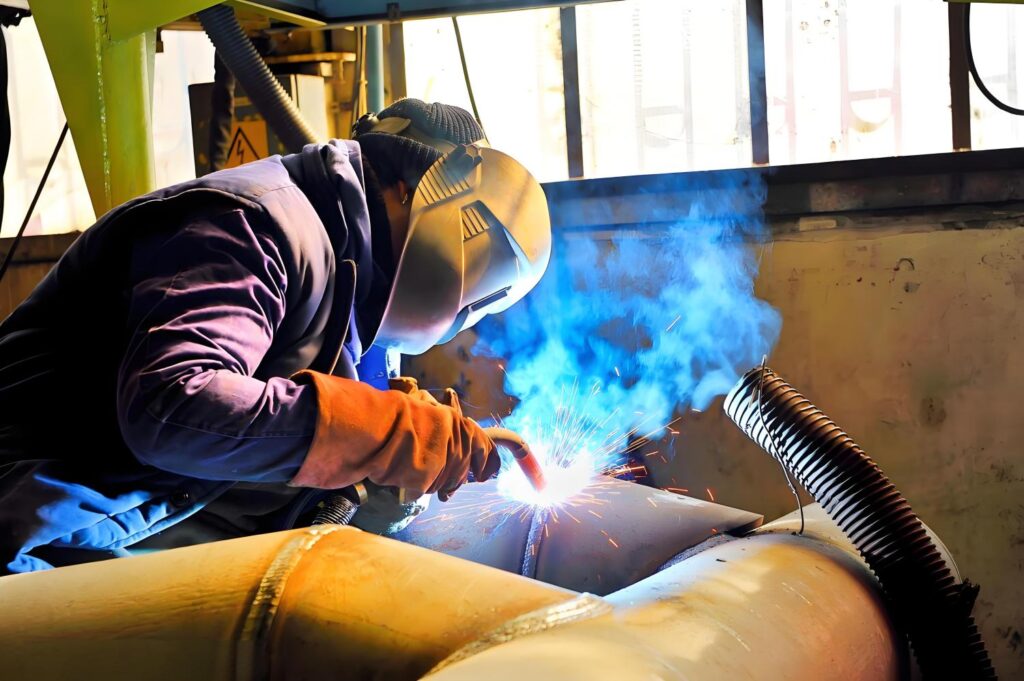
MIG welding has become a cornerstone in the machining and manufacturing industries. Known for its speed, reliability, and versatility, this welding technique is widely used by professionals and hobbyists alike. For international customers seeking precise and durable metal joining solutions, MIG welding offers an efficient method that ensures high-quality results with minimal effort.
Modern metal fabrication relies heavily on MIG welding, particularly in industries such as automotive, aerospace, construction, and industrial machinery. By combining advanced welding techniques with proper equipment, manufacturers can produce strong and durable welds efficiently.
What is MIG Welding?
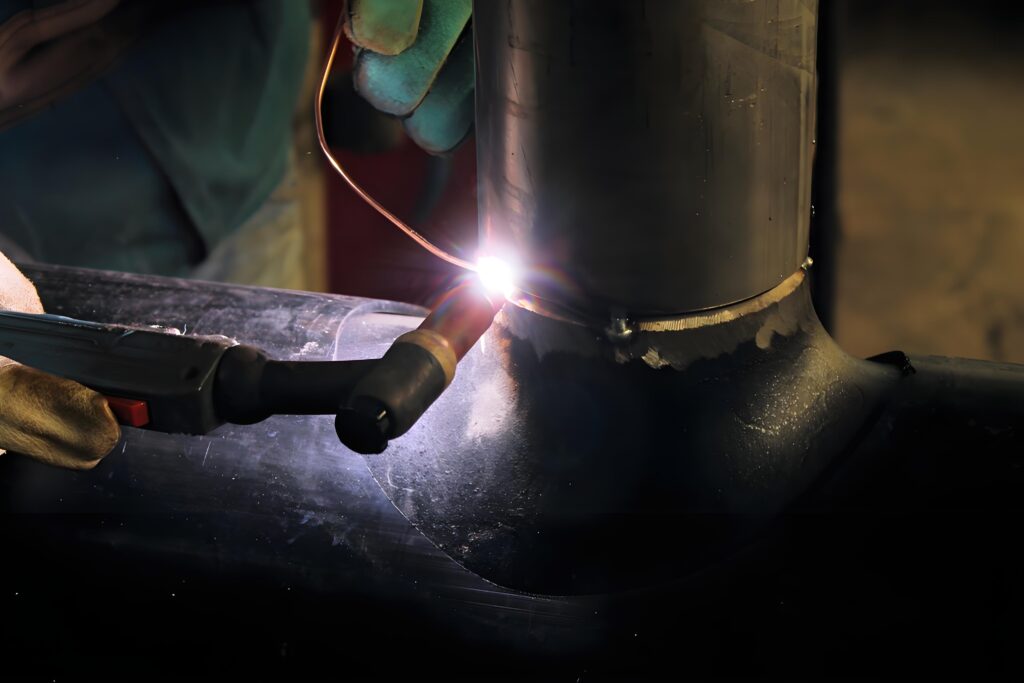
MIG welding, short for Metal Inert Gas welding, is a method where a continuous wire electrode is fed through a welding gun to join metals. An inert shielding gas—typically argon or an argon-carbon dioxide mixture—protects the weld from atmospheric contamination.
Compared to other welding methods, MIG welding is relatively easy to learn. It produces clean welds with minimal slag, reducing post-weld finishing. Its flexibility allows welding of various metals, making it a preferred choice for industries ranging from automotive repair to aerospace manufacturing.
Additionally, MIG welding is ideal for both thin and thick metals, providing a balance of speed, precision, and efficiency that is highly valued in machining applications. Its application in industrial welding ensures consistent results across complex fabrication tasks.
Materials Used in MIG Welding
The choice of material directly influences the quality, strength, and longevity of the weld. MIG welding is commonly used with:
Steel
Mild steel is the most widely welded material due to its affordability and ease of handling. It is ideal for industrial structures, automotive components, and general fabrication projects.
Stainless Steel
For applications requiring corrosion resistance or a polished finish, stainless steel is often chosen. MIG welding ensures a smooth, strong weld while preserving the material’s properties.
Aluminum
Aluminum presents unique challenges because of its high thermal conductivity and oxide layer. Specialized MIG welding techniques, along with proper machine settings, allow aluminum to be joined efficiently for aerospace, automotive, and industrial equipment applications.
Other Metals
Copper, nickel alloys, and other non-ferrous metals can also be welded using MIG techniques. Proper shielding gas and electrode selection are essential to avoid defects such as porosity or weak weld joints.
Using the correct material combination, along with LSI-related processes like “wire welding techniques” and “industrial metal fabrication,” ensures stronger welds and longer-lasting products.
How To MIG Weld
Understanding MIG welding techniques, machine settings, and safety precautions is essential for achieving professional results. Here’s a practical guide:
Step 1: Prepare the Metal
Clean the metal surface of rust, paint, oil, and dirt. Proper preparation reduces defects and improves weld strength.
Step 2: Set Up the Welding Machine
Adjust voltage, amperage, and wire feed speed according to the metal type and thickness. These settings are critical for a stable arc and a smooth weld bead.
Step 3: Position the Welding Gun
Hold the gun at approximately 10–15 degrees from vertical. Maintaining a steady angle ensures consistent penetration and minimizes spatter.
Step 4: Start Welding
Press the trigger to feed the wire into the weld pool. Move along the joint steadily, keeping a consistent travel speed and distance between the gun and the metal.
Step 5: Inspect the Weld
Check for uniformity, strength, and the absence of defects like cracks or porosity. Reliable inspection ensures the structural integrity of machinery, pipelines, and metal frameworks.
Step 6: Post-Weld Finishing
Although MIG welding produces minimal slag, use a wire brush or grinder for finishing if needed. Clean and polished welds contribute to both aesthetics and performance.
What is MIG Welding Used For
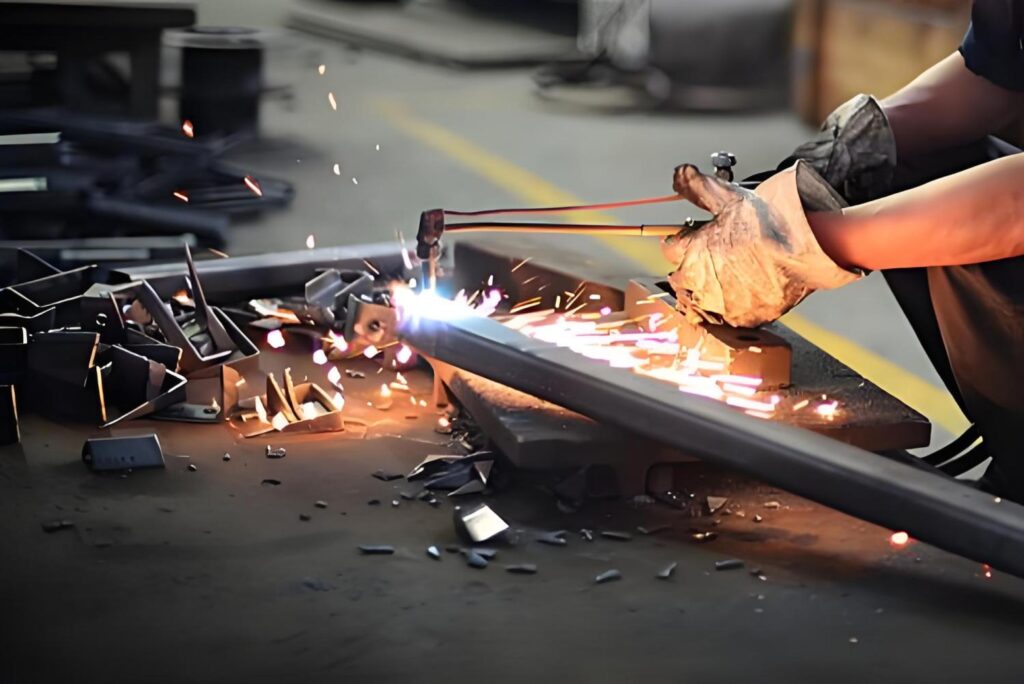
MIG welding is extremely versatile, with applications spanning many sectors:
- Automotive Industry: Car frames, exhaust systems, body panels, and chassis components.
- Construction: Structural steel frameworks, bridges, pipelines, and heavy machinery.
- Aerospace: Lightweight aluminum and titanium components.
- Machining & Manufacturing: Industrial machinery parts, equipment fabrication, and tool assembly.
- Hobby & DIY Projects: Home repairs, furniture making, and artistic metalwork.
The combination of speed, versatility, and clean results makes MIG welding ideal for both industrial-scale projects and smaller personal projects.
Advantages and Disadvantages of MIG Welding
Advantages
- High Speed: Continuous wire feed enables rapid welding.
- User-Friendly: Easier to learn than TIG or stick welding.
- Clean Welds: Minimal slag reduces finishing time.
- Versatile: Suitable for multiple metals and thicknesses.
- High Productivity: Perfect for industrial manufacturing and large-scale projects.
Disadvantages
- Equipment Costs: MIG welders and shielding gases can be expensive.
- Outdoor Limitations: Wind can disrupt the shielding gas, affecting weld quality.
- Material Sensitivity: Some metals, such as aluminum, require specialized techniques.
- Power Dependency: Requires a stable electrical supply for consistent results.
MIG welding: Partner with Precionn
Despite these limitations, MIG welding remains one of the most effective and widely adopted welding techniques in modern metal fabrication, industrial production, and repair industries.
MIG welding continues to transform metal joining with precision, speed, and adaptability. Precionn, a leader in machining and industrial metal solutions, leverages MIG welding to deliver high-quality, precise results for international customers. By integrating advanced welding techniques with rigorous quality standards, Precionn ensures durable and reliable machining solutions for a variety of industries worldwide.