What is Nylon?
Nylon is a synthetic polymer that has become one of the most versatile materials in modern manufacturing. Recognized for its strength, durability, and adaptability, it has influenced industries ranging from fashion to automotive engineering. First introduced in the late 1930s as a substitute for silk, nylon quickly gained popularity due to its resilience and affordability.
As part of the polyamide(PA) family, nylon is composed of repeating molecular units joined by amide bonds. This chemical structure provides both toughness and elasticity, enabling nylon to withstand demanding conditions. Its balance of performance and practicality explains why it remains in constant demand across industrial and consumer markets.
What is Nylon Made Of?
Nylon is produced through a process called polymerization. The raw materials—usually diamines and dicarboxylic acids, or lactams—are derived from petroleum. During production, these elements undergo chemical reactions that form long chains of molecules, resulting in a material that can be processed into different shapes and forms.
Depending on the intended use, nylon can be:
- Spun into fibers for fabrics and carpets.
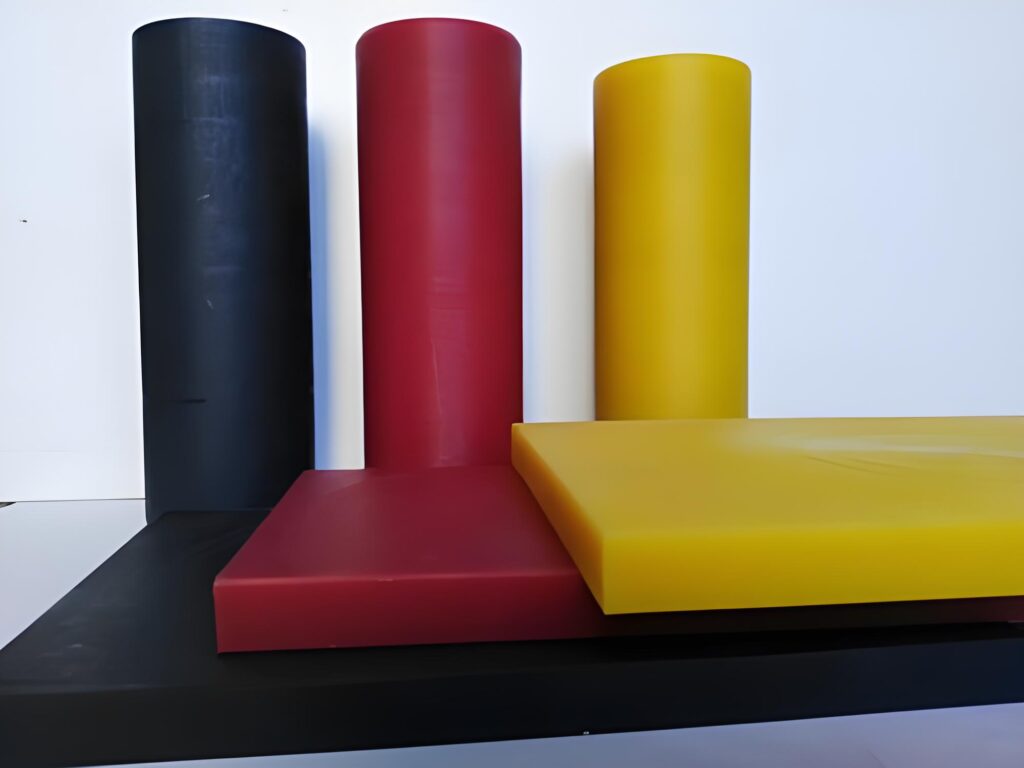
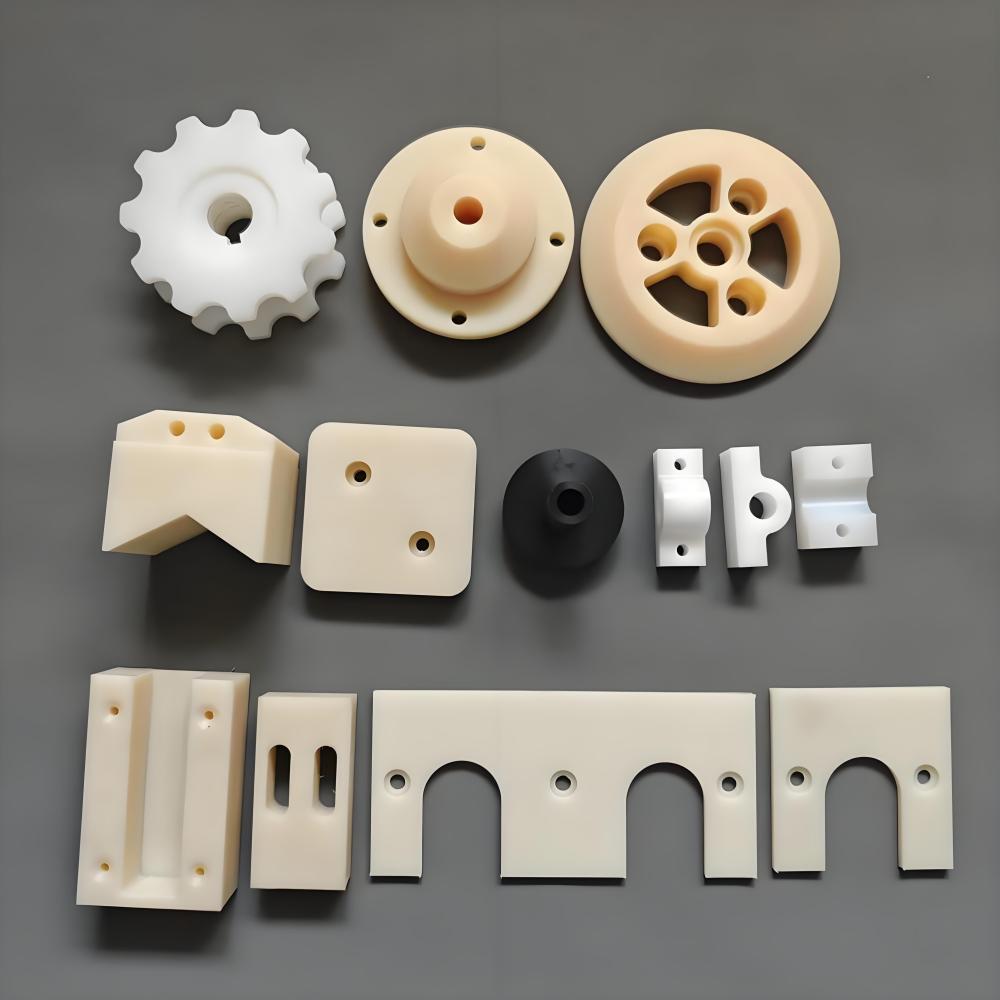
- Molded into solid components like gears, bearings, and machine parts.
- Processed into films for packaging that requires moisture resistance and toughness.
In recent years, bio-based nylons have been developed using renewable resources. These sustainable alternatives are designed to reduce reliance on fossil fuels while maintaining the performance expected of traditional nylon
What Are Types of Nylon Material?
Not all nylon is the same. Different variations have been engineered to meet the specific requirements of diverse applications:
Nylon 6
Made from caprolactam, nylon 6 offers toughness and flexibility. It is widely used in industrial yarns, engineering plastics, and textile fibers.
Nylon 6 6
Created by combining adipic acid and hexamethylene diamine, nylon 6,6 has higher strength and thermal resistance. Its performance makes it suitable for automotive components, machine housings, and electrical connectors.
Nylon 11 and Nylon 12
These lightweight types are prized for their chemical resistance and low moisture absorption. They are often found in flexible tubing, cable coatings, and specialized films.
Reinforced and Modified Nylons
To meet extreme conditions, nylon can be blended with glass fibers for added strength, treated with flame-retardant additives, or chemically modified for better dimensional stability. Such variations make nylon an adaptable choice for industries that require precise and reliable materials.
What is Nylon Used For?
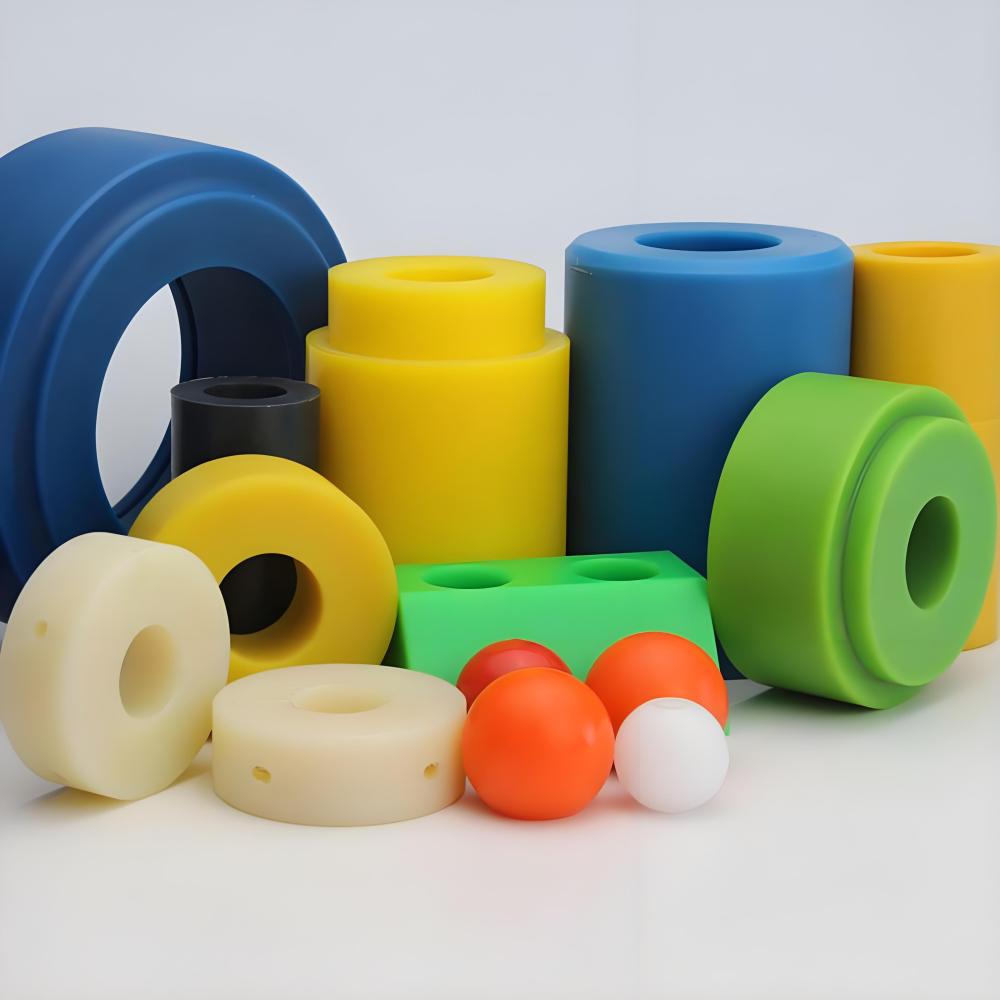
The uses of nylon are broad and extend into almost every aspect of daily life and industrial production. Its applications include:
- Textiles and clothing: Sportswear, swimwear, hosiery, carpets, and outdoor gear benefit from nylon’s elasticity and abrasion resistance.
- Automotive manufacturing: Engine covers, radiator parts, fuel system components, and interior trims rely on nylon’s heat and wear resistance.
- Machinery and engineering: Nylon gears, rollers, and bearings are valued for their ability to reduce friction and operate without lubrication.
- Electrical and electronics: Cable ties, insulation materials, and component housings take advantage of nylon’s dielectric properties.
- Household and consumer goods: From fishing lines and toothbrush bristles to kitchen tools and luggage, nylon’s presence is hard to miss.
- Medical field: Nylon sutures and surgical meshes are examples of its application in healthcare, where strength and flexibility are critical.
Its balance of strength, lightweight design, and versatility explains why nylon is often the preferred material for engineers and designers.
Advantages and Disadvantages of Nylon
Nylon offers many benefits, but it is not without its drawbacks. Understanding both sides helps industries decide whether it is the right choice for a project.
Advantages
- High strength and toughness – Resists wear, impact, and long-term stress.
- Lightweight – Easier to handle and transport compared to metals.
- Elasticity – Retains shape even after repeated stretching.
- Chemical resistance – Performs well in contact with oils, fuels, and many solvents.
- Versatility – Can be spun, molded, or extruded into numerous forms.
Disadvantages
- Moisture absorption – Nylon can take in water, which affects its mechanical properties in humid conditions.
- Petroleum-based origin – Traditional nylon production depends heavily on non-renewable resources.
- Heat limitations – Extended exposure to high temperatures may cause deformation.
- Static buildup – Fabrics and fibers may generate static electricity.
To address these issues, manufacturers are developing reinforced grades, coatings, and bio-based versions of nylon, ensuring that its future remains sustainable and relevant.
Nylon’s Role in Modern Manufacturing
Nylon is no longer just a substitute for natural fibers—it has become a cornerstone material in both everyday life and industrial engineering. Its ability to combine strength with flexibility has cemented its role in textiles, automotive systems, electrical devices, and precision machinery.
For companies that require accurate and reliable nylon parts, Precionn specializes in precision machining solutions. With years of expertise and a focus on international clients, Precionn ensures that nylon components are produced to exact specifications, offering both durability and performance for industries worldwide.