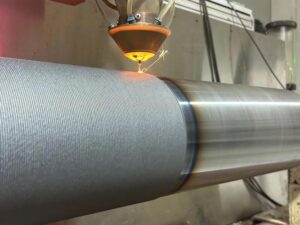

Understanding Reaming in Machining
Reaming is a vital step in precision machining, used to refine holes with exceptional accuracy and smoothness. This finishing process transforms a roughly drilled hole into one that meets exact specifications, ensuring a perfect fit for components. Unlike drilling, which creates an initial hole, or boring, which adjusts its size, reaming focuses on fine-tuning the hole’s diameter and surface quality. It’s the go-to technique when precision is paramount in manufacturing.
How Reaming Enhances Hole Quality
In the reaming process, a specialized tool called a reamer is carefully rotated into a pre-drilled hole, shaving off a thin layer of material. This results in a hole that’s not only dimensionally accurate but also boasts a polished surface. Reamers come in various forms, such as hand reamers for manual work, machine reamers for automated CNC setups, and adjustable reamers for flexible sizing. Each type is chosen based on the specific needs of the project, making reaming highly adaptable.
Reaming Compared to Drilling and Boring

To understand reaming’s unique role, it helps to compare it with similar processes. Drilling is about creating a hole from scratch, often leaving rough edges. Boring enlarges or straightens an existing hole. Reaming, however, is the final polish, ensuring tight tolerances and a smooth finish. This makes it essential for applications where even a slight deviation can cause issues, like in high-precision engineering.
Where Reaming Shines: Industry Applications
Reaming is a cornerstone in industries that demand flawless components. Its ability to produce precise, high-quality holes makes it indispensable in sectors where performance and reliability are critical.
Key Sectors Relying on Reaming
- In the automotive industry, reaming is used to create exact holes for engine parts, such as piston pins or valve guides, ensuring seamless assembly and performance.
- Aerospace manufacturers depend on it for components like landing gear or turbine blades, where precision holes prevent structural failures.
- The medical field also benefits, using reaming for surgical tools and implants that require impeccable accuracy. These industries highlight reaming’s role in delivering top-tier results.
Practical Uses in Component Manufacturing
- Reaming is often employed to prepare holes for fasteners, bearings, or dowel pins. For example, in machinery assembly, reamed holes ensure bolts fit snugly, reducing vibration and wear over time.
- When installing bearings, reaming creates a smooth surface that minimizes friction, extending the life of moving parts. These applications show how reaming contributes to both functionality and durability in manufactured goods.
Why Reaming Matters: Key Benefits
Reaming offers a host of advantages that elevate it above other machining processes, making it a favorite for manufacturers aiming for quality and efficiency.
Unmatched Precision for Tight Tolerances
One of reaming’s standout benefits is its ability to achieve precise hole dimensions, often within microns. This level of accuracy is critical for parts that must fit together perfectly, such as in aerospace or automotive assemblies. A reamed hole ensures components align flawlessly, reducing the risk of misalignment or failure.
Smoother Surfaces for Better Performance
A polished hole surface is more than just aesthetics—it directly impacts performance. Reaming produces a smooth finish that reduces friction in moving parts, like bearings or shafts, leading to less wear and longer component life. This is especially valuable in high-stress environments where durability is key.
Efficiency in Production
Reaming is a fast, effective process that removes minimal material, streamlining production. By eliminating the need for additional finishing steps, it saves time and reduces costs. Plus, well-maintained reamers last longer, offering a cost-effective solution for high-volume manufacturing.
Mastering the Reaming Process

Getting reaming right requires attention to detail, from tool setup to cutting techniques. Understanding the process is the first step to achieving consistent, high-quality results.
Step-by-Step Reaming Workflow
The process starts with a pre-drilled hole, slightly undersized to allow for reaming. A reamer is then fed into the hole at a controlled speed, often with coolant to manage heat and clear debris. The reamer’s cutting edges remove a small amount of material, leaving a smooth, precise hole. Whether done manually or on a CNC machine, the goal is a hole that meets exact specifications.
Factors for Success
Several variables affect reaming outcomes. The material being machined—be it aluminum, steel, or titanium—dictates the reamer type and cutting speed. Softer materials like aluminum allow faster speeds, while tougher ones like stainless steel require slower, steadier cuts. Coolant choice is also crucial, as it prevents overheating and ensures clean cuts. Selecting the right reamer, such as a spiral-flute model for better chip removal, can make a big difference.
Overcoming Common Reaming Challenges
Reaming isn’t without hurdles. Tool chatter, caused by incorrect speeds or feeds, can mar surface quality. Wear on the reamer, especially with abrasive materials, can also affect results. To tackle these, machinists should fine-tune cutting parameters and inspect reamers regularly. Proper setup and maintenance are key to avoiding defects and ensuring consistent performance.
Tips for Top-Notch Reaming
To maximize reaming’s benefits, manufacturers should follow practical strategies that enhance precision and efficiency.
Choosing and Caring for Reamers
Selecting the right reamer is critical. For high-volume production, coated machine reamers, like those with titanium nitride, offer durability and precision. Regular maintenance, such as cleaning and sharpening, keeps reamers performing at their best. A well-maintained tool reduces downtime and ensures consistent hole quality.
Fine-Tuning Cutting Parameters
Cutting speed and feed rate should match the material and reamer type. For instance, aluminum can handle higher speeds, while titanium demands slower, controlled cuts. Testing these settings during setup helps avoid issues like overheating or tool breakage. Using the right coolant also improves chip removal and surface finish.
Prioritizing Safety and Quality
Safety is critical in reaming. Operators should use protective gear and ensure machines are properly guarded. Quality control, such as checking reamed holes with precision gauges, ensures tolerances are met. These steps create a safe, reliable process that delivers consistent results.
Wrapping Up: Reaming’s Role in Precision
Reaming is a game-changer in precision machining, delivering the accuracy and quality needed for high-performance parts. Its applications in automotive, aerospace, and medical industries underscore its importance, while its benefits—precision, smooth finishes, and efficiency—make it a staple in manufacturing. By mastering the process and following best practices, manufacturers can produce components that meet the highest standards.
For businesses seeking reliable machining solutions, Precionn stands out as a trusted partner. With expertise in precision processes and a commitment to international customers, Precionn provides high-quality machining services tailored to meet global standards.