
Red brass is a versatile copper-based alloy prized in machining and manufacturing for its unique blend of strength, corrosion resistance, and visual appeal. With its distinctive reddish hue, it has become a staple in applications ranging from plumbing fittings to decorative components. In this guide, we’ll explore red brass in detail—its makeup, properties, types, uses, and how it compares to similar alloys like yellow brass and bronze. Whether you’re a manufacturer, engineer, or simply curious about this material, here’s everything you need to know.
What Is Red Brass?
Red brass—also known as “rose brass” or by its industrial designation, C23000—is a copper-zinc alloy celebrated for its balanced performance. Its name comes from its warm, reddish tone, a result of its higher copper content compared to other brass alloys like yellow brass.
This alloy stands out for its excellent machinability, resistance to corrosion, and durability, making it a go-to choice in industries from plumbing to decorative arts. Its versatility allows it to be shaped, machined, and finished with precision, satisfying both functional and aesthetic needs.
Chemical Composition of Red Brass
The unique properties of red brass stem from its carefully balanced composition. Typically, it consists of about 85% copper, 15% zinc, and small trace elements that enhance specific traits.
- Copper (Cu): The primary component, copper gives red brass its corrosion resistance, electrical conductivity, and reddish color. Its high copper content (around 85%) is what distinguishes red brass from other brasses.
- Zinc (Zn): Making up roughly 15% of the alloy, zinc adds strength and improves castability and machinability.
- Trace Elements: Small amounts of lead (up to 0.5%) may be added to boost machinability, while tin or iron can enhance strength and wear resistance.
Composition can vary slightly by grade and manufacturer, but this core blend ensures red brass balances durability, workability, and visual appeal.
Properties of Red Brass
Red brass’s popularity stems from a unique set of physical and mechanical properties that make it adaptable to diverse applications.
Physical Properties
- Color and Appearance: Its warm, reddish-gold hue sets it apart from the brighter, golden yellow brass, making it a favorite for decorative components like architectural fittings and jewelry.
- Density: Approximately 8.75 g/cm³, slightly higher than yellow brass due to its higher copper content, giving it a robust, substantial feel.
- Thermal Conductivity: Excellent heat transfer capabilities make it ideal for applications like heat exchangers or radiator parts.
- Corrosion Resistance: Thanks to its high copper content, it resists corrosion well—especially in water or moisture-rich environments—making it a top choice for plumbing and marine use.
Mechanical Properties
- Tensile Strength: Ranging from 250 to 500 MPa (depending on composition and processing), it’s strong enough for structural components while remaining workable.
- Ductility: Highly malleable, it can be drawn into wires or shaped into intricate forms without cracking, valuable for forging or extrusion.
- Machinability: One of its standout traits—red brass cuts, drills, and shapes easily, reducing production time in precision machining.
- Fatigue Resistance: Performs well under repeated stress, making it suitable for components like valves or fittings that endure cyclic loading.
Types of Red Brass Grades
Red brass is available in several grades, each tailored to specific uses through slight compositional tweaks. The most common are classified under the Unified Numbering System (UNS):
C23000 (Commercial Red Brass)
The standard grade, with ~85% copper and 15% zinc. It’s widely used in plumbing, electrical components, and decor due to its balanced strength, corrosion resistance, and workability.
C22000
Contains ~90% copper (and slightly more zinc than C23000), offering increased strength but slightly reduced corrosion resistance.
C24000
A low-lead grade designed for safety-critical applications like potable water systems, meeting strict environmental regulations.
What are the differences between red copper, brass and bronze?
Red Brass vs. Yellow Brass
While both are copper-zinc alloys, red and yellow brass differ significantly in composition and performance:
- Composition: Red brass has ~85% copper and 15% zinc; yellow brass has 65–70% copper and 30–35% zinc.
- Color: Red brass leans reddish; yellow brass is brighter and more golden.
- Corrosion Resistance: Red brass, with more copper, resists corrosion better—especially in moist or salty environments. Yellow brass is less durable in such conditions.
- Applications: Red brass excels in plumbing, marine hardware, and valves. Yellow brass is common in decorative items, musical instruments, and low-cost hardware.
- Cost: Red brass is pricier due to its higher copper content; yellow brass is more budget-friendly for applications where corrosion resistance is less critical.
Red Brass vs. Bronze
Red brass and bronze—both copper-based—serve overlapping roles but differ in key ways:
- Composition: Red brass is copper-zinc; bronze is primarily copper-tin (often with added elements like aluminum or phosphorus).
- Strength: Bronze is generally harder and stronger, suited for heavy-duty uses like bearings or gears. Red brass is softer and more malleable.
- Corrosion Resistance: Both resist corrosion, but bronze stands out in saltwater—making it ideal for marine applications. Red brass performs better in freshwater or milder environments.
- Machinability: Red brass is easier to machine than most bronzes, which can be brittle. This makes it better for intricate components.
- Cost: Red brass is often cheaper, as tin (a key bronze component) is typically more expensive than zinc.
Common Uses of Red Brass
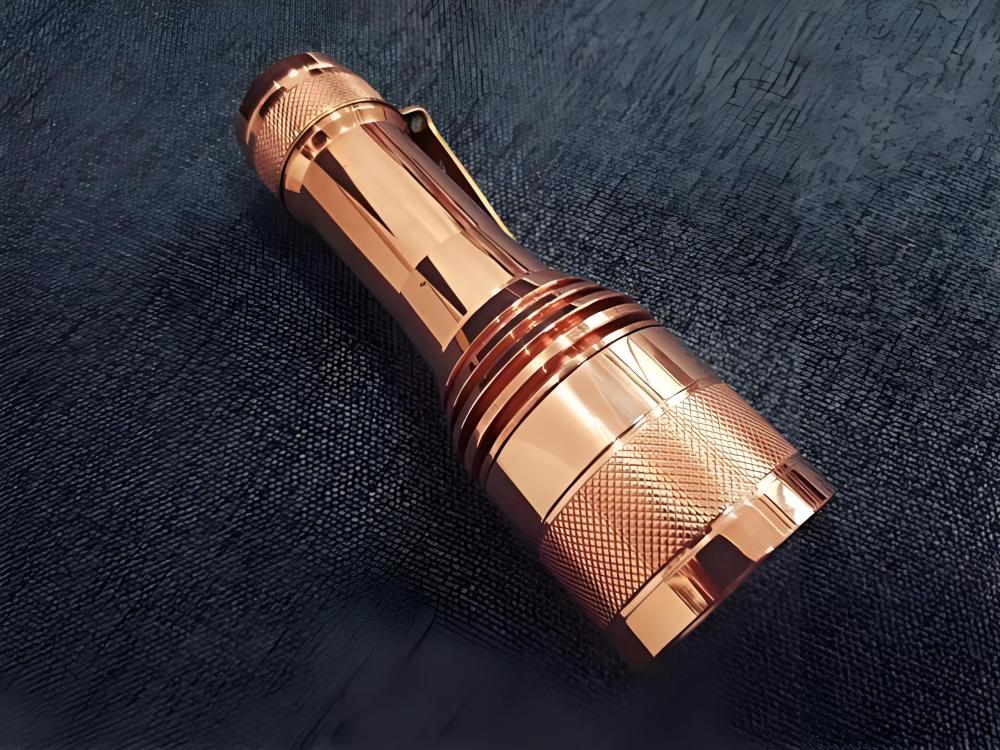
Red brass’s versatility shines across industries, thanks to its unique mix of properties:
- Plumbing: Valves, pipes, and fittings—its corrosion resistance makes it safe for potable water systems.
- Electrical Components: Connectors, terminals, and hardware, leveraging its electrical conductivity.
- Decorative Items: Architectural fittings, jewelry, and ornamental hardware, valued for its warm color.
- Marine Hardware: Fittings and components for boats, resisting moisture-related corrosion.
- Heat Exchangers: Tubes and radiator parts, using its thermal conductivity.
- Musical Instruments: Occasionally used in trumpets or trombones for its distinct tonal qualities.
Advantages and Disadvantages of Red Brass
Advantages
- Corrosion Resistance: Excels in water-based environments, extending component lifespans.
- Machinability: Easy to cut and shape, reducing production costs.
- Aesthetic Appeal: Its reddish hue suits decorative and architectural uses.
- Versatility: Adapts to plumbing, electrical, marine, and artistic applications.
- Recyclability: Like other copper alloys, it’s highly recyclable, supporting sustainable manufacturing.
Disadvantages
- Cost: More expensive than yellow brass due to higher copper content, which may limit use in budget-sensitive projects.
- Strength Limitations: Softer than bronze, making it less suitable for high-stress applications.
- Lead Content: Some grades contain small amounts of lead, restricting use in potable water systems or food-grade applications.
Why Choose Precionn for Red Brass Machining?
Red brass’s unique blend of durability, workability, and visual appeal makes it indispensable across industries. Whether for plumbing, decor, or marine hardware, it delivers consistent performance.
At Precionn, we specialize in precision machining of red brass and other alloys. Our team combines expertise with advanced techniques to produce high-quality components for global clients. Contact us to discuss how we can support your next project.