
Electrical Discharge Machining, or EDM, is a game-changer in the world of precision manufacturing. This advanced technique uses controlled electrical sparks to shape tough materials with remarkable accuracy, making it a go-to method for crafting complex parts. From aerospace components to medical devices, EDM delivers results where traditional machining falls short. This blog dives into what makes EDM unique, its various forms, real-world applications, benefits, limitations, and how to pick the right EDM approach for your needs—all narrated with a friendly, human touch to guide you through this fascinating process.
What is Electrical Discharge Machining (EDM)?

Electrical Discharge Machining is a sophisticated manufacturing method that shapes materials by sparking electrical discharges between an electrode and a workpiece. Submerged in a dielectric fluid, which insulates and clears away debris, the process erodes material with pinpoint precision without physical contact. This spark-based approach allows manufacturers to tackle intricate designs and hard-to-machine materials like titanium or hardened steel, which might resist conventional tools.
Imagine a process where tiny, controlled bursts of energy sculpt a workpiece like an artist chiseling a masterpiece. That’s EDM in action. It’s perfect for creating detailed features without stressing the material, making it a favorite in industries demanding exacting standards. Whether it’s cutting precise slots or forming complex cavities, EDM offers a level of control that’s hard to match.
What Are the Main Types of EDM?
EDM comes in a few distinct flavors, each suited to specific tasks in precision machining. Understanding these variations—Wire EDM, Sinker EDM, and Hole-Drilling EDM—helps manufacturers choose the best tool for the job.
Wire EDM: Precision Cutting at Its Finest

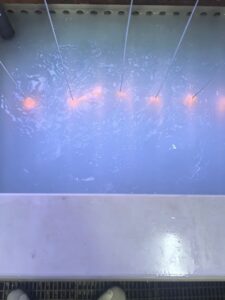
Wire EDM uses a thin, electrically charged wire, often brass or copper, to slice through materials with incredible accuracy. Guided by advanced computer controls, the wire moves like a digital craftsman, cutting intricate shapes with tolerances as tight as a few microns. This method shines in creating complex parts like gears, turbine blades, or delicate prototypes, making it a staple in high-precision industries.
Sinker EDM: Crafting Complex Cavities
Sinker EDM, sometimes called ram or die-sinking EDM, uses a custom-shaped electrode to carve detailed cavities into a workpiece. The electrode “sinks” into the material, eroding it to mirror the electrode’s form. This technique is a go-to for producing molds or dies, especially for plastic injection molding or stamping, where intricate 3D shapes are critical.
Hole-Drilling EDM: Mastering Micro-Holes
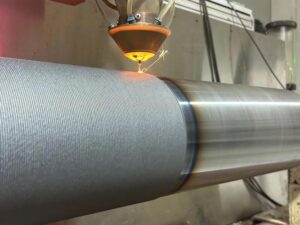
Hole-Drilling EDM specializes in creating small, deep, and precise holes in tough materials. Using a rotating tubular electrode, it drills clean, burr-free holes—think cooling channels in aerospace components or fluid passages in medical devices. This method is a lifesaver when precision and depth are non-negotiable.
Common Applications of EDM in Industry
EDM’s ability to handle complex shapes and tough materials makes it a powerhouse across multiple sectors. From crafting aerospace parts to shaping medical tools, here’s how EDM is making its mark.
Aerospace Parts: Precision in the Skies
The aerospace industry demands components that are both lightweight and durable, often made from alloys like titanium or nickel. EDM steps up by producing intricate parts like turbine blades, engine components, and structural elements. Wire EDM crafts precise contours, while Hole-Drilling EDM creates critical cooling holes, ensuring performance under extreme conditions.
Mold Manufacturing: Shaping Plastic and Metal
Mold-making for plastic injection molding and stamping is a sweet spot for EDM. Sinker EDM excels at forming detailed mold cavities, ensuring flawless replication of parts for consumer goods or automotive components. Wire EDM complements this by cutting precise mold inserts, delivering the accuracy needed for high-quality production.
Medical Devices and Precision Parts
In the medical field, EDM is a trusted ally for crafting surgical instruments, implants, and dental components. Materials like stainless steel and titanium, which are tough to machine but biocompatible, are perfect for EDM. Hole-Drilling EDM, in particular, creates micro-holes for devices like catheters, ensuring reliability in critical applications.
Automotive and Electronics: Driving Innovation
The automotive industry leans on EDM for parts like fuel injectors, gears, and transmission components, where precision ensures performance and longevity. In electronics, EDM shapes tiny connectors, circuit board molds, and micro-components, meeting the demand for compact, reliable parts in devices we use daily.
High-Hardness Tools and Components
When it comes to machining super-tough materials like tool steel or carbide, EDM is unmatched. It’s used to create cutting tools, dies, and wear-resistant parts that demand a flawless finish and tight tolerances. This makes EDM a go-to for industries needing durable, high-performance tools.
Advantages and Limitations of EDM
EDM offers a unique set of strengths, but it’s not a one-size-fits-all solution. Here’s a balanced look at what it brings to the table and where it might fall short.
Advantages of EDM
- Unmatched Precision: EDM achieves tolerances as fine as ±0.001 mm, perfect for intricate designs and tight specifications.
- Stress-Free Machining: With no physical contact, EDM avoids stressing or distorting delicate parts, preserving their integrity.
- Tough Material Mastery: From hardened steel to superalloys, EDM handles materials that challenge traditional tools.
- Complex Shape Capability: EDM effortlessly creates intricate geometries, micro-holes, and fine details.
- Low Tool Wear: Since the electrode doesn’t physically cut, wear is minimal, saving costs on tool replacement.
Limitations of EDM
- Conductive Materials Only: EDM requires conductive materials, so non-conductive ones like plastics or ceramics are off-limits.
- Slower Speeds: For large-scale production, EDM can be slower than conventional machining, impacting timelines.
- Surface Finish Needs: While EDM delivers excellent finishes, some applications may need extra polishing for specific requirements.
- Equipment Costs: EDM machines are a significant investment, which may challenge smaller operations.
How to Select the Right EDM Process?
Choosing the best EDM method depends on your project’s goals, materials, and production needs. Here’s a guide to making the right call.
Consider the Material
EDM works only with conductive materials like steel, titanium, or copper. If your project involves non-conductive materials, you’ll need to explore alternatives like laser machining or CNC milling.
Evaluate Component Complexity
For intricate 2D shapes, Wire EDM is your best bet, offering unmatched precision for flat or contoured parts. Sinker EDM is ideal for 3D cavities, such as those in molds or dies. If you need small, deep holes, Hole-Drilling EDM is the way to go.
Assess Production Volume
EDM excels in low- to medium-volume runs or prototyping, where precision trumps speed. For high-volume production, traditional machining or hybrid approaches might be more cost-effective.
Factor in Tolerances and Finishes
If your project demands ultra-tight tolerances or specific surface finishes, EDM’s precision is hard to beat. However, consider whether additional post-processing, like polishing, is needed to meet your standards.
Partner with Experts
For businesses looking to harness EDM’s potential, partnering with a skilled machining provider is key. Companies like Precionn specialize in delivering high-quality EDM solutions tailored to international clients. With a focus on precision and innovation, Precionn uses advanced EDM techniques to craft components for aerospace, medical, automotive, and more, ensuring top-tier results that meet global standards.